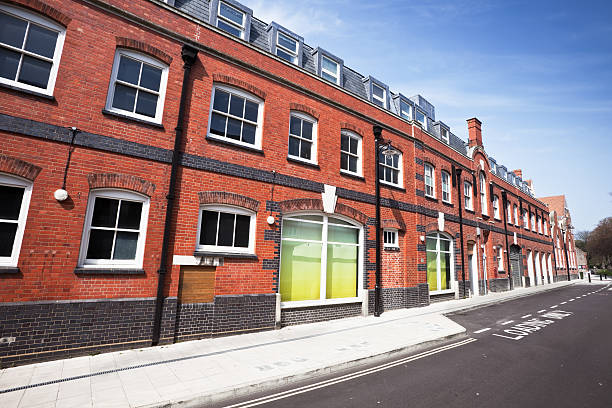
Building Guardianship London - How Vacant Properties Are Protected Through Live-In Occupation
Building guardianship in London is a property management approach where vacant buildings are temporarily occupied by approved residents (known as guardians) to help secure and maintain the property during periods of vacancy, refurbishment, or redevelopment.
It is widely used across London for commercial, residential, and public buildings that would otherwise sit empty and exposed to risk.
What Building Guardianship Means
Building guardianship involves placing carefully vetted individuals into vacant properties under a licence agreement.
The purpose is twofold:
- Keep the building occupied and less vulnerable to crime
- Reduce the cost and complexity of securing an empty property
Guardians live in the building temporarily and help maintain a basic level of occupation and oversight.
Why Building Guardianship Is Used in London
Vacant buildings in London can quickly become liabilities if left unmonitored.
Building guardianship helps reduce risks such as:
- Squatting and illegal occupation
- Vandalism and internal damage
- Theft of fixtures, wiring, and fittings
- Fly-tipping and antisocial behaviour
- Insurance complications linked to vacancy
- Rapid deterioration of unused buildings
It is particularly common in regeneration areas and high-vacancy commercial zones across London.
Types of Buildings Used for Guardianship
Building guardianship schemes are commonly used in:
- Empty office blocks
- Vacant residential buildings and apartment blocks
- Former schools, hospitals, and public buildings
- Closed retail units and high street premises
- Industrial and warehouse properties awaiting redevelopment
- Mixed-use developments in transition
Many of these properties would otherwise require continuous security or boarding.
How Building Guardianship Works
Guardians typically occupy buildings under a licence agreement rather than a tenancy.
This usually means:
- Flexible, temporary living arrangements
- Lower monthly occupancy costs compared to renting
- Shorter notice periods than standard tenancies
- Suitability and referencing checks before placement
- Responsibility to maintain basic care of the space
The arrangement is designed to provide occupancy without creating long-term tenancy obligations.
Costs of Building Guardianship in London
Building guardianship is often more affordable than private renting, but not usually free.
Guardians typically pay:
- A monthly licence fee
- Utility contributions in some cases
- Application or administrative fees
Costs vary depending on building type, location, and condition, but are generally lower than standard London rental prices.
Key Differences From Renting
Building guardianship is not the same as renting a home.
Important differences include:
- Licence agreements instead of tenancy agreements
- Reduced legal protections compared to renters
- Shorter notice periods in many schemes
- Buildings not always designed as residential spaces
- More flexible but less permanent living arrangements
It is best suited for individuals seeking short-to-medium term, lower-cost accommodation.
Why Property Owners Use Guardianship
From a property management perspective, guardianship helps owners:
- Reduce security costs for vacant buildings
- Prevent deterioration during long vacancy periods
- Maintain insurance compliance where possible
- Reduce risk of trespass or vandalism
- Bridge the gap between tenants or redevelopment phases
In many cases, guardianship is used alongside physical security measures such as steel doors or window screening.
Security Still Plays a Role
Even with guardians in place, many buildings still require:
- Steel security doors
- Boarding or window protection
- Access control systems
- Regular inspections
- Maintenance and repair coordination
Fraser Bond supports property owners across London with vacant property security, building management, refurbishment coordination, contractor sourcing, and long-term asset protection.
When Building Guardianship Works Best
Building guardianship is commonly used when:
- A property is temporarily vacant before redevelopment
- Planning approval or refurbishment is delayed
- A building is too costly to leave empty and secure
- Owners want occupancy without full tenancy agreements
- Large or complex buildings require basic monitoring
For example, a vacant office building in South London awaiting conversion may be occupied by guardians during the planning and construction preparation phase.
Speak With Fraser Bond
Fraser Bond works with landlords, developers, and property owners across London to manage vacant and underused buildings, offering support with:
- Vacant property security solutions
- Building guardianship assessment support
- Steel doors and boarding systems
- Refurbishment and redevelopment coordination
- Maintenance and contractor management
- Long-term asset protection strategies
If you are managing a vacant building in London, Fraser Bond can help determine whether guardianship or physical security solutions are the most suitable option.