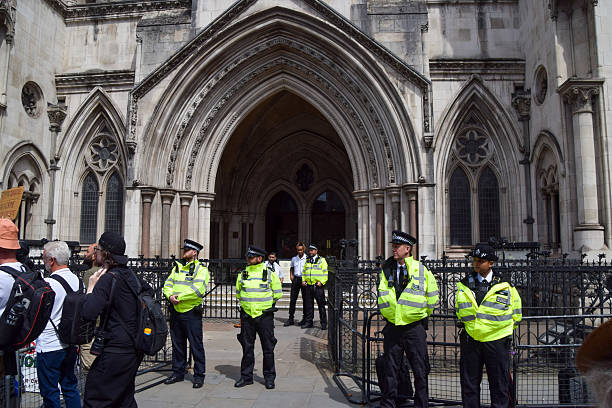
Enforcement and Tracing Services London - How Debt Recovery, Asset Tracing, and Legal Enforcement Work Together
Subtitle:
A practical guide for London landlords, businesses, and creditors on how enforcement and tracing services work together to recover unpaid debts, locate debtors, and support legal action including CCJs, High Court enforcement, and property-related disputes.
What Enforcement and Tracing Services Mean in London
Enforcement and tracing services in London combine two key processes:
- Tracing services → locating individuals, tenants, or businesses who owe money
- Enforcement services → legally recovering the debt once a court judgment or legal authority exists
Together, they form a complete recovery process used in:
- Rent arrears recovery
- Commercial debt recovery
- County Court Judgment (CCJ) enforcement
- High Court writ enforcement
- Property-related financial disputes
When You Need Enforcement and Tracing Services
These services are typically needed when:
- A debtor has disappeared or changed address
- Rent arrears remain unpaid after tenancy ends
- A CCJ has been issued but not paid
- A business stops responding to invoices
- Enforcement agents cannot locate the debtor
In London, this is especially common in both residential and commercial property sectors due to high mobility and business turnover.
How Tracing Services Work
Tracing is the first step in the recovery process. It focuses on locating the debtor.
It may involve:
- Confirming current residential address
- Identifying business trading locations
- Linking related companies or individuals
- Reviewing public and commercial records
Once the debtor is located, legal enforcement becomes possible.
How Enforcement Services Work
Enforcement begins after legal authority is in place, such as:
- County Court Judgment (CCJ)
- High Court writ or order
Common enforcement actions include:
- Taking control of goods
- High Court Enforcement Officer visits
- Bailiff enforcement
- Asset seizure (where legally permitted)
- Payment arrangement enforcement
Tracing vs Enforcement: The Difference
- Tracing = finding the debtor
- Enforcement = recovering the debt
Both are required in most real-world debt recovery cases, especially when debtors avoid contact or move frequently.
Common Use Cases in London
Enforcement and tracing services are widely used in:
- Commercial rent arrears recovery
- Residential tenant disputes
- Unpaid business invoices
- Construction and contractor disputes
- CCJ enforcement cases
- Property damage compensation claims
For example, a landlord in South London may need tracing after a tenant leaves without notice, followed by enforcement once a CCJ is obtained.
Why These Services Are Important
Without tracing:
- Debtors cannot be located
- Court judgments cannot be enforced
Without enforcement:
- Even located debtors may still refuse to pay
Together, they ensure a complete legal recovery pathway.
Legal Framework in the UK
Enforcement and tracing must follow UK law:
- Data protection regulations (GDPR)
- Court enforcement rules
- No harassment or illegal surveillance
- No unlawful access to private financial data
All actions must support legitimate legal recovery processes.
Property-Linked Enforcement Cases
In London property situations, these services are often used for:
- Rent arrears after tenant exit
- Abandoned commercial leases
- Eviction-related debt recovery
- Property damage claims
- Squatter-related financial recovery cases
They help landlords regain control of both property and financial losses.
Challenges in Enforcement and Tracing
Common challenges include:
- Frequent tenant relocation
- Use of multiple business entities
- Asset concealment or restructuring
- Lack of updated contact information
- Enforcement delays after court judgment
This makes structured, coordinated recovery essential.
How Fraser Bond Supports London Clients
Fraser Bond works with landlords, investors, and commercial property stakeholders dealing with debt recovery and property enforcement challenges.
Support typically includes:
- Tracing coordination for missing tenants and debtors
- Enforcement strategy planning after CCJs
- Rent arrears recovery support
- Commercial property management assistance
- Post-tenancy property reinstatement coordination
- Contractor support for repairs and refurbishment
This is especially relevant where property recovery and financial enforcement overlap.
When to Act Quickly
Delays in tracing or enforcement can result in:
- Loss of recoverable debt
- Difficulty enforcing judgments
- Increased legal costs
- Longer property vacancy periods
Early action significantly improves recovery success rates.