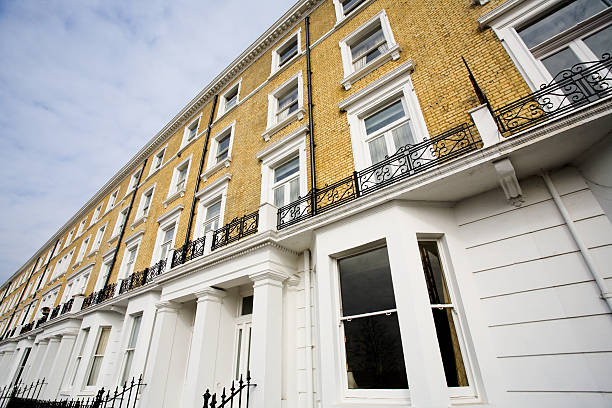
Mental Health Care Home - UK Property Guide
A mental health care home provides accommodation and care for people who need ongoing support in a residential setting. For care providers, landlords and property investors, finding a suitable mental health care home property requires more than identifying a large residential building. Layout, resident needs, staffing, accessibility, safety, location, refurbishment and regulatory requirements all need to be considered before a property is acquired or converted.
What Is a Mental Health Care Home?
A mental health care home is a residential setting where people with mental health needs receive accommodation alongside appropriate care and support.
Residents may require assistance with daily routines, medication, personal care, community access or other aspects of everyday life. The exact level of care depends on the service and the needs of its residents.
A mental health care home is different from ordinary rental accommodation because the property forms part of a structured care service.
In England, providers operating residential care homes for adults must register with the Care Quality Commission (CQC) and meet the applicable quality and safety requirements.
What Property Is Suitable for a Mental Health Care Home?
The appropriate property depends on the type of care service being developed and the needs of its intended residents.
Potential properties can include:
-
Large detached houses
-
Substantial semi-detached homes
-
Existing care homes
-
Former residential care properties
-
Converted residential buildings
-
Purpose-designed care facilities
-
Suitable specialist accommodation
A property needs enough space for residents, communal areas, bathrooms, staff facilities and other operational requirements.
A large house is not automatically suitable simply because it has many bedrooms. The layout and ability to adapt the building can be equally important.
Mental Health Care Home Property Requirements
When sourcing a property, providers should assess both residential comfort and operational requirements.
Important considerations include:
-
Suitable resident bedrooms
-
Adequate bathrooms
-
Accessible entrances
-
Practical circulation areas
-
Communal living rooms
-
Dining facilities
-
Kitchen arrangements
-
Staff areas
-
Storage
-
Secure entrances and exits
-
Fire safety arrangements
-
Appropriate heating and ventilation
-
Outdoor space
-
Parking where required
The building should allow residents to feel at home while giving staff sufficient space to provide care safely.
Bedrooms in a Mental Health Care Home
Bedrooms are one of the most important areas to assess when viewing potential care home property.
Residents should have appropriate private space for sleeping, personal belongings and daily routines.
Depending on the residents' needs, bedrooms may also need to accommodate mobility equipment or allow staff to provide assistance.
The number of bedrooms should therefore be considered alongside the size of communal areas, bathrooms and other facilities. Maximising the number of residents without considering the overall layout can create operational problems.
Communal Areas
A mental health care home should generally provide appropriate spaces where residents can spend time together while retaining access to private areas.
Potential communal facilities include:
-
Living rooms
-
Dining rooms
-
Activity areas
-
Quiet rooms
-
Visitor spaces
-
Gardens
-
Private meeting areas
The property's layout should support a balance between social interaction and personal space.
Outdoor space can also be valuable where residents benefit from access to a garden or other private external area.
Location for a Mental Health Care Home
Location can have a significant effect on the suitability of a care home property.
Residents may benefit from convenient access to:
-
GP surgeries
-
Mental health services
-
Hospitals
-
Pharmacies
-
Shops
-
Public transport
-
Parks
-
Leisure facilities
-
Community services
-
Family networks
The surrounding neighbourhood should also be assessed for noise, traffic, safety, accessibility and proximity to essential services.
A property in a convenient residential area may be more practical than an isolated building that requires residents and staff to travel significant distances for everyday needs.
Converting a House Into a Mental Health Care Home
Some care providers look for large residential houses that can potentially be converted into specialist care accommodation.
Before purchasing such a property, the provider should establish:
-
The intended resident group
-
The number of residents
-
The level of care required
-
Staffing requirements
-
Bedroom and bathroom requirements
-
Communal space requirements
-
Accessibility requirements
-
Fire safety requirements
-
Planning considerations
-
The estimated refurbishment budget
This assessment should happen before committing to a property.
A house that appears inexpensive may require extensive structural, accessibility or compliance works, making the overall project considerably more expensive than expected.
Refurbishing a Mental Health Care Home Property
Existing properties may require significant refurbishment before they can operate as care homes.
Potential works can include:
-
Bathroom upgrades
-
Accessibility improvements
-
Internal reconfiguration
-
Fire safety improvements
-
Electrical upgrades
-
Heating improvements
-
Kitchen refurbishment
-
Security upgrades
-
Improved lighting
-
Additional staff facilities
-
Storage improvements
-
Garden works
The scope of work will depend on the property's existing condition and the proposed care model.
Planning permission, building regulations, fire safety requirements and CQC registration should all be considered where applicable before major conversion work begins.
Buying a Mental Health Care Home
Investors and care providers considering purchasing a care home property should undertake detailed due diligence.
Key considerations include:
-
Purchase price
-
Property size
-
Number of bedrooms
-
Bedroom layout
-
Bathroom provision
-
Accessibility
-
Communal areas
-
Outdoor space
-
Parking
-
Location
-
Planning position
-
Fire safety
-
Refurbishment costs
-
Local demand
-
Staffing requirements
-
Ongoing maintenance
-
Potential operating costs
The acquisition should be assessed based on the complete project cost rather than the purchase price alone.
Existing Mental Health Care Homes for Sale
An existing care home can sometimes offer an alternative to converting an ordinary residential property.
However, buyers should establish exactly what is included in the sale.
Important questions include:
-
Is the property currently operating as a care home?
-
What is its existing registration position?
-
How many residents does it accommodate?
-
What condition is the building in?
-
Are refurbishment works required?
-
What equipment is included?
-
What planning position applies?
-
What care model currently operates from the property?
-
Are there existing staffing or operational arrangements?
A property with an established care use may still require substantial investment depending on its condition and the buyer's intended service.
Renting Property to a Mental Health Care Provider
Landlords with large residential properties may consider leasing them to care providers.
Before agreeing to a lease, the landlord should understand how the property will be used and what alterations may be required.
Important points include:
-
Number of residents
-
Staffing arrangements
-
Proposed care activities
-
Refurbishment requirements
-
Maintenance responsibilities
-
Repair obligations
-
Insurance
-
Lease length
-
Alteration permissions
-
Regulatory responsibilities
A properly structured agreement can help prevent misunderstandings between the property owner and care provider.
Mental Health Care Homes in London
London has a diverse property market, including larger suburban houses that may potentially be suitable for specialist residential care.
Areas such as Bromley, Croydon, Enfield, Barnet and Hillingdon offer different property types from central London locations.
However, London properties can present challenges such as high acquisition costs, restricted parking, smaller gardens and older buildings requiring substantial refurbishment.
The surrounding area should also be assessed for healthcare access, transport, community facilities and the practical needs of residents.
Mental Health Care Home or Supported Living?
Mental health care homes and supported living should not be treated as identical property models.
A residential care home provides accommodation and care as part of the residential service. Supported living generally involves people living in their own accommodation while receiving support, with the regulatory position depending on the services provided.
Government guidance notes that CQC registration applies to providers carrying out regulated activities, while some supported living arrangements do not require CQC registration unless regulated activities such as personal care are being provided.
For investors and landlords, establishing the intended operating model before purchasing or adapting a property is therefore important.
Working With Fraser Bond
Fraser Bond can assist care providers, landlords and investors looking for property suitable for mental health care homes.
Our property services can support different stages of the process, including:
-
Property sourcing
-
Acquisition
-
Lettings
-
Property management
-
Refurbishment coordination
-
Building works
-
Maintenance
-
Landlord support
Where a property requires conversion or refurbishment, the building requirements can be considered as part of the wider property strategy.
The aim is to help identify property that can provide a suitable residential environment while meeting the practical requirements of the care provider.
Finding Property for a Mental Health Care Home
Finding suitable mental health care home property requires careful assessment of the building, location and intended service.
Whether you are looking for an existing care home, a large residential property for conversion or a specialist care facility, the property's layout, accessibility, communal facilities, outdoor space, refurbishment requirements and operational potential should all be considered.
Fraser Bond can help care providers, investors and landlords source, acquire, refurbish and manage suitable property across London and the wider UK.