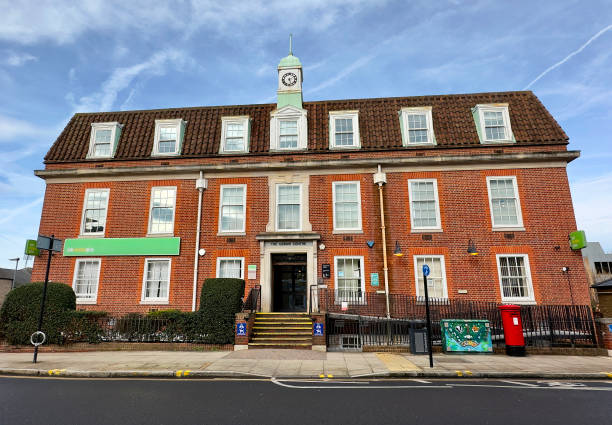
Mental Health Properties Required - What Property Owners Need to Know About Specialist Mental Health Accommodation
Mental health properties required by specialist care providers, supported living operators and healthcare organisations need to meet more than basic residential standards. The right property must be suitable for the people who will live there, the type of support being delivered and the operational requirements of the organisation managing the service.
For property owners, this can create opportunities to lease or sell houses, flats and other residential properties to experienced mental health operators. However, the suitability of a property depends on factors including its layout, location, planning position, condition, accessibility and intended model of care.
Fraser Bond works with property owners and investors looking at specialist property opportunities, helping assess properties, identify potential operators and coordinate refurbishment or building works where required.
What Are Mental Health Properties?
Mental health properties are properties used to provide accommodation, supported living or residential care for people with mental health needs.
The exact model can vary considerably.
Some people may live in supported accommodation where their housing and care arrangements are separate. Others may live in a residential care setting where accommodation and personal care are provided together.
The distinction is important. The Care Quality Commission explains that where accommodation and personal care are provided as a single package, this can fall within the regulated activity for accommodation for people who require nursing or personal care. Where accommodation and personal care are separate and residents can choose another care provider, the arrangement may instead be supported living or extra care housing.
For a landlord, this means the intended use should be established before agreeing a lease or carrying out major works.
Why Are Mental Health Properties Required?
Mental health operators can require different types of accommodation depending on the needs of the people they support.
A provider may be looking for:
-
Shared residential houses
-
Detached family homes
-
Semi-detached properties
-
Bungalows
-
Flats and apartment schemes
-
Supported living houses
-
Former care properties
-
Former residential care homes
-
Properties suitable for refurbishment
-
Purpose-adapted accommodation
-
Larger properties with communal facilities
-
Properties suitable for transitional or longer-term accommodation
A property that works for one mental health service may not be suitable for another.
For example, a provider supporting people who are moving towards greater independence may prefer a conventional residential property with individual bedrooms and shared living areas. Another organisation may require a more specialised setting with staff accommodation and additional facilities.
What Makes a Property Suitable for Mental Health Support?
There is no single specification that applies to every mental health property.
However, operators will commonly assess several practical features.
Bedrooms
Individual bedrooms can provide residents with privacy and personal space. Depending on the model, operators may also look for en-suite facilities.
Bathrooms
The number, position and accessibility of bathrooms can affect whether a property is suitable for the intended number of residents.
Communal Areas
Living rooms, dining areas and kitchens can be important where residents are expected to share facilities and develop independent living skills.
Staff Space
Some supported accommodation models may require an office, sleep-in room or other dedicated space for staff.
CQC examples of supported living services demonstrate that properties can operate with different staffing arrangements, including staff available around the clock where required.
Outdoor Space
Gardens and other private or communal outdoor areas can be valuable, particularly where residents benefit from access to a quieter environment.
Accessibility
Depending on the people being supported, properties may need adaptations such as improved access, accessible bathrooms, wider doorways or other modifications.
Security and Safety
The property should be assessed for appropriate security, fire safety, electrical systems, heating, lighting and general maintenance.
CQC guidance states that premises used by registered providers must be clean, secure, suitable for their purpose, properly maintained and appropriately located.
Location Is Important
A suitable mental health property needs to be considered in the context of its surrounding area.
Operators may look for convenient access to:
-
Public transport
-
GP surgeries and healthcare services
-
Hospitals and specialist services
-
Shops and supermarkets
-
Pharmacies
-
Employment opportunities
-
Education and training
-
Community facilities
-
Parks and recreational facilities
The ideal location will depend on the people being supported.
A property in North London, for example, could be attractive to an operator because residents may have access to established transport links and community facilities. A similar property in a less connected location may require a completely different operating model.
CQC guidance also emphasises considering people's anticipated needs and access to relevant facilities, the local community and public transport when premises are being planned.
Houses for Mental Health Supported Living
Residential houses are often considered for supported living because they can provide a more domestic environment than institutional accommodation.
A suitable house might have:
-
Four to six bedrooms
-
Several bathrooms
-
A communal kitchen
-
Living and dining areas
-
Private bedrooms
-
Garden or outdoor space
-
Parking
-
Staff facilities where required
-
Good transport connections
The number of residents and the exact configuration should always be determined by the proposed operator and the relevant planning and regulatory requirements.
Supported living can allow people to live in their own home while receiving care or support designed around their individual needs. CQC describes supported living as accommodation where people receive care or support to promote independence, with the care regulated but the accommodation generally not regulated as a CQC care setting.
Former Care Properties Can Be Relevant
Property owners with former care homes, residential homes or other specialist accommodation may also have opportunities within the mental health sector.
A former care property may already contain features such as:
-
Multiple bedrooms
-
Communal areas
-
Several bathrooms
-
Staff facilities
-
Accessibility improvements
-
Fire safety installations
-
Commercial kitchens
-
Parking
-
Specialist infrastructure
However, a former care property should not automatically be assumed to be suitable for a new mental health use.
The proposed operation should be assessed carefully, including planning, building regulations, licensing and any relevant CQC requirements.
Planning and Regulatory Considerations
Planning requirements depend on the actual use of the property and the proposed accommodation model.
Mental health accommodation can involve different arrangements, including supported living and residential care, so the property owner should establish the intended use before committing to a transaction.
CQC registration also depends on the regulated activity being provided rather than simply the fact that a property is described as a "mental health property".
For example, CQC guidance distinguishes supported living from settings where accommodation and personal care are provided together. In supported living, people generally have their own accommodation arrangements and care can be provided separately.
Property owners should therefore ask the proposed operator:
-
What service will operate from the property?
-
Who will live there?
-
How many residents are proposed?
-
Will personal care be provided?
-
Who will provide the care?
-
Is CQC registration required?
-
What planning use is required?
-
Are building works necessary?
-
Will the property require adaptations?
Taking professional planning and regulatory advice before proceeding can help prevent expensive problems later.
Should Landlords Refurbish Before Finding an Operator?
Not necessarily.
One of the most common mistakes is spending heavily on a property before understanding exactly what the intended operator requires.
A mental health provider may have specific requirements concerning:
-
Bedroom sizes
-
Bathrooms
-
Staff areas
-
Security
-
Accessibility
-
Fire safety
-
Communal areas
-
Kitchen arrangements
-
Doors and windows
-
Garden areas
-
Monitoring or safety systems
For this reason, it can be more commercially sensible to understand the operator's requirements before committing to major refurbishment.
Fraser Bond can assist property owners with refurbishment planning, building works, contractor coordination and property improvements where specialist accommodation needs to be adapted.
Leasing a Property to a Mental Health Operator
Property owners may consider leasing a suitable property to a specialist operator rather than selling it.
A commercial or specialist lease can provide a structured arrangement between the property owner and the organisation operating the accommodation.
However, landlords should conduct proper due diligence before signing.
Important questions include:
-
Who will take the lease?
-
How long is the proposed lease?
-
What rent is being offered?
-
How are rent reviews handled?
-
Who pays for repairs?
-
Who pays for maintenance?
-
Who insures the building?
-
Who pays for adaptations?
-
Can the operator assign the lease?
-
Can another organisation occupy or operate from the property?
-
What happens if the service closes?
-
What happens when the lease ends?
-
Is reinstatement required?
The financial strength and experience of the operator should also be considered.
Due Diligence on Mental Health Operators
A landlord should not select a tenant simply because they offer an attractive rent.
Useful due diligence can include reviewing:
-
Company history
-
Financial accounts
-
Existing properties
-
Management experience
-
Relevant CQC registration
-
Regulatory history where applicable
-
Landlord references
-
Insurance
-
Business plan
-
Proposed resident profile
-
Funding arrangements
-
Staffing model
-
Maintenance responsibilities
-
Refurbishment requirements
The exact checks will depend on the proposed use and the organisation involved.
A Practical London Example
Consider a landlord with a five-bedroom house in South London that has become difficult to manage through a conventional letting strategy.
The property has several bathrooms, a large kitchen, communal living space, a rear garden and good public transport connections.
Rather than immediately converting the property, the landlord approaches a specialist property adviser to understand whether it could be suitable for mental health supported living.
The adviser can help establish:
-
Which operators may be interested
-
What type of service could operate from the property
-
Whether planning advice is required
-
What adaptations may be necessary
-
Whether the property's layout is suitable
-
What lease structure could work
-
Whether the operator has appropriate experience
-
What refurbishment should be completed before occupation
This approach can reduce the risk of spending money on works that do not match the eventual operator's requirements.
Selling Mental Health Properties
Owners who do not want a long-term lease may instead consider selling their property to a specialist investor, care operator or healthcare property buyer.
Potential buyers may include:
-
Care operators
-
Supported living providers
-
Specialist housing organisations
-
Healthcare investors
-
Property investors
-
Developers
-
Organisations seeking premises for mental health services
A property with an appropriate layout, established specialist use or potential for adaptation may attract interest from buyers looking beyond the conventional residential market.
However, specialist value depends on the actual property, planning position, location, condition and proposed use.
How Fraser Bond Can Help
Fraser Bond works with property owners, investors and operators involved in specialist property requirements across London and the wider UK.
If you own a property that may be suitable for mental health accommodation, Fraser Bond can help assess the property, identify potential specialist operators, advise on the commercial route, coordinate refurbishment and building works, and support the property through the leasing or sales process.
Whether you have a large family house, former care property, supported living accommodation or another residential building, the key is to establish what type of mental health service the property can realistically support.
Mental health properties required by specialist operators can represent an alternative route for property owners, but suitability should always be assessed alongside planning, regulatory, operational and commercial considerations.
If you own a property that could be suitable for mental health supported living or specialist care, Fraser Bond can help you explore the available options and connect the property with an appropriate market.