Mental Health Residential Property - UK Property Guide
Buying, renting and preparing residential property for mental health care and supported accommodation across London and the UK
Mental health residential property can provide accommodation for adults who need structured care, support or rehabilitation in a residential setting. Depending on the service model, the property may operate as a registered residential care home, a mental health rehabilitation service or another form of specialist accommodation.
For landlords, investors and care providers, finding the right property requires more than securing a large house. The building needs to be appropriate for the intended residents, support model, location and regulatory requirements.
What Is Mental Health Residential Property?
Mental health residential property is a residential building used to accommodate people with mental health needs alongside an appropriate level of care, support or rehabilitation.
Properties can include:
-
Mental health residential care homes
-
Mental health rehabilitation properties
-
Residential recovery homes
-
Mental health crisis houses
-
Specialist supported accommodation
-
Larger houses converted for residential care
-
Purpose-designed specialist housing
The appropriate model depends on the needs of residents and the services being provided.
In England, CQC classifies residential care homes as services where accommodation and personal care are provided together. Its service guidance also identifies mental health crisis houses and therapeutic communities as examples of residential care services without nursing.
What Makes a Property Suitable for Mental Health Residential Care?
A property intended for mental health residential use needs to work as both accommodation and a practical care environment.
Important considerations can include:
-
Appropriate bedrooms
-
Sufficient bathrooms
-
Communal living areas
-
Dining facilities
-
Practical kitchen facilities
-
Safe entrances and exits
-
Suitable heating and ventilation
-
Fire safety arrangements
-
Appropriate lighting
-
Secure storage
-
Outdoor space where appropriate
-
Staff areas
-
Good general property condition
The exact requirements depend on the type of service being delivered and the needs of the residents.
A property that is suitable for ordinary residential letting may therefore require significant assessment or adaptation before being considered for mental health residential care.
Houses for Mental Health Residential Use
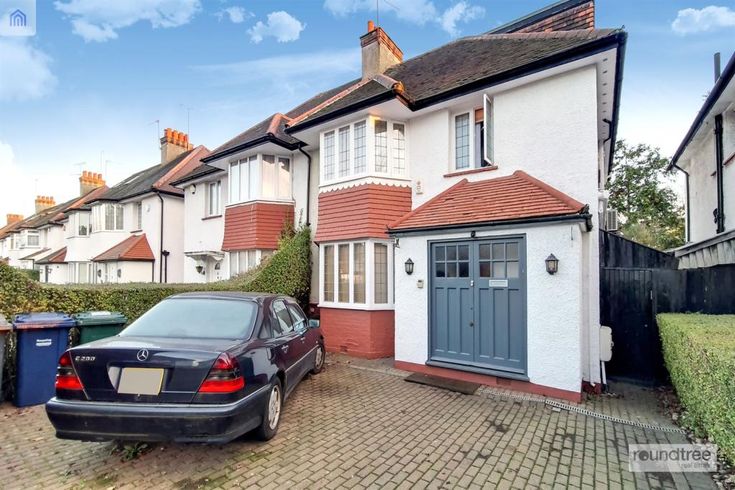
Large houses are often considered when providers need several bedrooms together with communal facilities.
A potential property might include:
-
Individual bedrooms
-
Shared lounges
-
Dining areas
-
Communal kitchen
-
Multiple bathrooms
-
Garden
-
Laundry facilities
-
Staff office or support space
The property's layout should allow residents to have appropriate privacy while providing practical communal areas.
Bedroom numbers alone should not determine suitability. Circulation space, bathrooms, accessibility, outdoor areas and the overall condition of the building can be equally important.
Mental Health Residential Property for Rehabilitation
Some residential services focus on rehabilitation and helping people develop greater independence.
CQC recognises rehabilitation services as services that can promote recovery, prevent unnecessary hospital admission and maximise independent living. These services can operate in residential settings as well as hospitals, day care or domiciliary environments.
A rehabilitation property may therefore need spaces that support:
-
Independent cooking
-
Daily living skills
-
Social interaction
-
Community access
-
Personal routines
-
Recovery planning
-
Staff support
-
Gradual transition to greater independence
The property's design should reflect the actual rehabilitation model rather than simply providing bedrooms and communal facilities.
Location for Mental Health Residential Property
Location is an important part of assessing specialist residential property.
Residents may need reasonable access to:
-
GP surgeries
-
Mental health services
-
Hospitals
-
Pharmacies
-
Shops
-
Public transport
-
Parks
-
Community facilities
-
Employment and training opportunities
A quieter residential environment may be appropriate for some services, while others may need to be close to transport links and community facilities.
For London properties, investors should assess the individual borough and neighbourhood rather than assuming that all areas offer the same suitability.
Buying Mental Health Residential Property
Investors considering purchasing mental health residential property should establish the intended use before committing to an acquisition.
Key considerations include:
-
Purchase price
-
Location
-
Number of bedrooms
-
Existing layout
-
Property condition
-
Potential refurbishment
-
Accessibility
-
Fire safety
-
Planning position
-
Provider requirements
-
Long-term maintenance
-
Potential operating model
The property should be assessed against the requirements of the intended service rather than purchased simply because it has a large floor area.
England's current Social and Affordable Homes Programme also identifies specialist and supported housing as housing designed or designated for particular groups, including working-age people with substantial or long-term support or care needs.
Renting Property to a Mental Health Care Provider
Landlords who own suitable residential property may consider renting or leasing it to a mental health care or supported accommodation provider.
Before agreeing to the arrangement, the landlord should understand:
-
Who the provider is
-
Who will live in the property
-
What care or support will be delivered
-
How long the property is required
-
Who is responsible for repairs
-
Whether alterations are needed
-
Insurance requirements
-
Property inspection arrangements
-
Maintenance responsibilities
-
How the property will be returned at the end of the agreement
A clear contractual arrangement is particularly important where the property will be used for specialist residential purposes.
Refurbishing Mental Health Residential Property
Existing residential buildings may need refurbishment before they can operate effectively.
Typical works can include:
-
Bathroom upgrades
-
Kitchen refurbishment
-
Electrical improvements
-
Heating repairs
-
Plumbing works
-
Flooring
-
Redecoration
-
Lighting improvements
-
Door and access improvements
-
Fire safety works
-
Garden improvements
-
General building repairs
The refurbishment should be designed around the intended service.
For example, a provider operating a rehabilitation service may need spaces that encourage independent living, while a residential care home may have different requirements for communal areas, staff facilities and resident safety.
Fraser Bond can assist landlords and investors with refurbishment, building works, contractor coordination, maintenance and wider property management requirements.
Mental Health Residential Property and CQC Registration
Regulatory requirements depend on how the property is used and what services are delivered.
In England, anyone running a residential care home for adults must register with the Care Quality Commission. The provider must provide details of the location, identify the regulated activities it intends to carry out and meet the relevant quality and safety requirements.
CQC also distinguishes residential care from supported living. In supported living, a person lives in their own home and receives care or support intended to promote independence; the care is regulated by CQC, while the accommodation itself is not generally regulated as a CQC supported living location.
This distinction matters to property owners because a building intended for a residential care home can have different regulatory implications from a property rented by residents under a separate supported living arrangement.
The intended operating structure should therefore be established before purchasing or converting a property.
Mental Health Residential Property in London
London has a range of houses and other residential buildings that may potentially be suitable for specialist mental health services.
Current CQC records demonstrate that residential services for adults with mental health needs operate in London and other parts of England, including residential recovery communities and care homes providing accommodation and support for people with mental health conditions.
However, not every large residential property is suitable.
Providers need to consider the location, building configuration, resident profile, staffing requirements, condition and regulatory model before committing to a property.
Working With Mental Health Care Providers
A property owner does not necessarily need to operate the care service themselves.
Depending on the arrangement, an investor or landlord can provide the property while an experienced organisation operates the residential service.
This can allow the property owner to focus on:
-
Acquisition
-
Refurbishment
-
Property maintenance
-
Repairs
-
Lettings
-
Property management
-
Contractor coordination
The responsibilities of the property owner and care provider should be clearly defined in the contractual arrangement.
How Fraser Bond Can Help
Fraser Bond provides property services covering property sourcing, acquisitions, lettings, property management, refurbishment, maintenance and contractor coordination.
For landlords and investors considering mental health residential property, Fraser Bond can help with the wider property process, from identifying suitable buildings through to preparing and managing the property.
Whether the requirement is a residential care property, rehabilitation accommodation, supported living property or specialist housing, the building should be assessed according to its intended use before major financial commitments are made.
Finding the Right Mental Health Residential Property
The right mental health residential property needs to provide an appropriate home environment while supporting the practical requirements of the service.
Investors should assess location, layout, condition, refurbishment requirements, accessibility, safety and the intended operating model before purchasing or converting a property.
For landlords, understanding the needs of mental health care providers can help identify suitable buildings and establish appropriate letting arrangements. For providers, careful property sourcing can help create accommodation that supports residents' safety, dignity, recovery and independence.