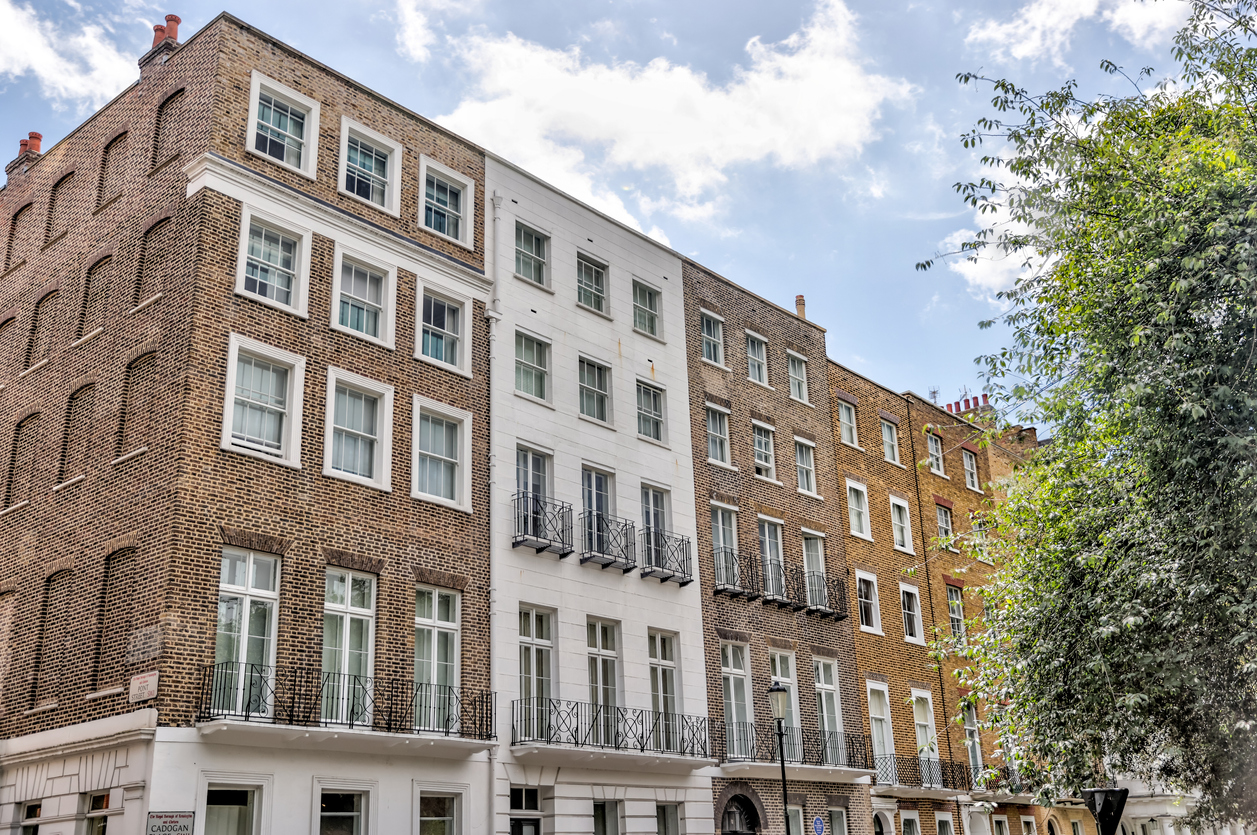
Mental Health Supported Accommodation Property Investment
Investing in Houses and Specialist Properties for Mental Health Supported Accommodation
Mental health supported accommodation property investment involves acquiring, refurbishing, developing or leasing property for use by organisations supporting people with mental health needs.
The opportunity can involve ordinary residential houses that are suitable for supported living, purpose-designed specialist accommodation, or existing properties that can be adapted for a particular provider's requirements. Government policy currently recognises supported housing for people with mental health needs as part of the specialist housing sector, including accommodation provided alongside support to help people live independently.
For investors, the important consideration is not simply whether a property can generate rental income. The property, location, operating model and prospective provider all need to work together.
What Is Mental Health Supported Accommodation Property Investment?
An investor may purchase a property and lease it to a supported housing organisation, care provider or other specialist operator.
Potential investment properties include:
-
Three, four and five-bedroom houses
-
Larger detached and semi-detached houses
-
Suitable terraced properties
-
Bungalows
-
Existing supported living properties
-
Specialist supported accommodation
-
Properties requiring refurbishment
-
Purpose-designed supported housing
-
Larger residential buildings suitable for specialist use
The right property depends on the requirements of the intended residents and provider.
Government guidance describes specialist housing as accommodation that is purpose-designed or designated for a particular group. Supported housing can include accommodation provided with care, support or supervision, while the accommodation should remain residential in nature rather than becoming healthcare provision.
Why Property Selection Matters
A property that works for conventional residential letting may not automatically work for mental health supported accommodation.
Investors should consider:
-
Number of bedrooms
-
Room sizes and configuration
-
Communal living areas
-
Bathroom provision
-
Kitchen facilities
-
Accessibility
-
Security
-
Fire safety
-
General condition
-
Outdoor space
-
Transport links
-
Healthcare access
-
Local amenities
-
Potential for refurbishment
The property's location can be particularly important. Residents may need reasonable access to shops, healthcare, public transport, employment, education and community facilities.
Local Demand Should Be Researched
Investors should investigate whether there is genuine demand for the type of supported accommodation they intend to provide.
England's Local Supported Housing Strategies framework requires councils to understand their local supported housing supply, unmet need and future demand. This makes local market research an important part of assessing potential specialist housing projects.
An investor should therefore avoid purchasing a property solely because it appears suitable for supported accommodation. The local need, provider requirements and potential operating model should be investigated first.
Supported Living Is Different From a Care Home
The intended use of the property can significantly affect the investment structure.
CQC describes supported living as a service where a person lives in their own home and receives care or support intended to promote independence. The care is regulated by CQC, while the accommodation itself is generally not.
Care homes operate differently. Accommodation and personal care are provided together, and both the care and premises are regulated. CQC includes mental health crisis houses and therapeutic communities among examples of care home services.
An investor should therefore establish exactly how a prospective operator intends to use the property before purchasing or carrying out major works.
Buying a House for Mental Health Supported Living
A conventional house can potentially be suitable for supported living where its size, layout, condition and location meet the provider's requirements.
Investors should inspect:
-
Electrical installations
-
Heating and hot water
-
Plumbing
-
Fire safety
-
Windows and doors
-
Security
-
Bathrooms
-
Kitchen
-
Damp and mould
-
Roof and structure
-
Accessibility
-
Communal areas
-
External space
The cost of bringing the property up to the required standard should be included in the investment assessment.
A property requiring refurbishment is not necessarily unsuitable. In some cases, an investor may be able to improve an existing house and create accommodation that better matches a provider's requirements.
Refurbishing Property for Mental Health Supported Accommodation
Specialist accommodation may require adaptations beyond ordinary residential refurbishment.
Depending on the service, works could include:
-
Bathroom upgrades
-
Kitchen refurbishment
-
Electrical improvements
-
Heating upgrades
-
Improved insulation
-
Accessibility adaptations
-
Security improvements
-
Fire safety works
-
Internal reconfiguration
-
Communal area improvements
-
General repairs and decoration
Government policy recognises that specialist supported housing can involve additional design and adaptation costs, particularly where accommodation is being developed for people with substantial support or care needs.
Investors should obtain professional advice before undertaking conversion or structural works because planning, building regulations, licensing and other requirements can depend on the property's proposed use.
Choosing the Right Mental Health Housing Provider
The operator is a major part of the investment assessment.
Before agreeing a lease or purchasing specifically for a provider, investors should investigate:
-
The provider's experience
-
Financial position
-
Intended service model
-
Number of residents
-
Staffing arrangements
-
Relevant registrations
-
Maintenance responsibilities
-
Proposed lease length
-
Rent arrangements
-
Insurance
-
Alteration requirements
-
Management arrangements
A suitable building does not by itself make a successful supported accommodation investment. The relationship between the property owner and operator also needs to be commercially and operationally sound.
Long-Term Leasing for Supported Accommodation
Some investors may choose to lease properties to established supported housing organisations rather than manage individual residential occupants themselves.
The agreement should clearly establish responsibilities for rent, repairs, maintenance, insurance, alterations, compliance and reinstatement.
Housing Benefit guidance updated in April 2026 recognises long-term supported housing for people with enduring mental health conditions and identifies several types of organisations that can provide supported housing, including housing associations, charities and private landlords.
The specific legal and financial structure of an arrangement should always be reviewed by appropriate professional advisers.
Risks to Consider Before Investing
Mental health supported accommodation property investment requires detailed due diligence.
Potential risks include:
-
Planning restrictions
-
Licensing requirements
-
High refurbishment costs
-
Unsuitable property layouts
-
Weak local demand
-
Operator financial problems
-
Vacancy between operators
-
Maintenance costs
-
Regulatory changes
-
Difficulties adapting the building
-
Limited alternative uses
-
Lease-related disputes
Investors should also consider what happens if the specialist operator leaves. A property with several potential residential or commercial uses may provide more flexibility than a building that has been heavily adapted for one particular service.
Mental Health Supported Accommodation Investment in London
London can present a range of specialist property opportunities, from larger suburban houses to existing supported accommodation and properties requiring refurbishment.
However, investors should assess each opportunity on its own characteristics. Borough-level planning requirements, property values, local demand, transport connections and the requirements of prospective operators can vary significantly.
A specialist property consultant can help investors assess whether a particular property is appropriate before significant capital is committed.
How Fraser Bond Can Help With Mental Health Property Investment
Fraser Bond works with property investors, landlords and specialist housing operators across London and the wider UK.
Depending on the project, services can include:
-
Property sourcing
-
Investment property assessment
-
Acquisition support
-
Property lettings
-
Refurbishment coordination
-
Contractor management
-
Property management
-
Maintenance coordination
-
Specialist accommodation support
For investors considering mental health supported accommodation, the objective should be to identify a property that works for the intended residents, operator and long-term property strategy.
Finding Mental Health Supported Accommodation Property Investment Opportunities
Mental health supported accommodation can involve a specialist segment of the UK property market, but investors should approach each opportunity through proper property and operator due diligence.
The most important questions are whether there is suitable local demand, whether the building meets the intended service requirements, how much refurbishment is needed, who will operate the accommodation and what the investment looks like under realistic costs and lease assumptions.
Fraser Bond can help investors source and assess properties for mental health supported living and specialist accommodation across London and the wider UK.