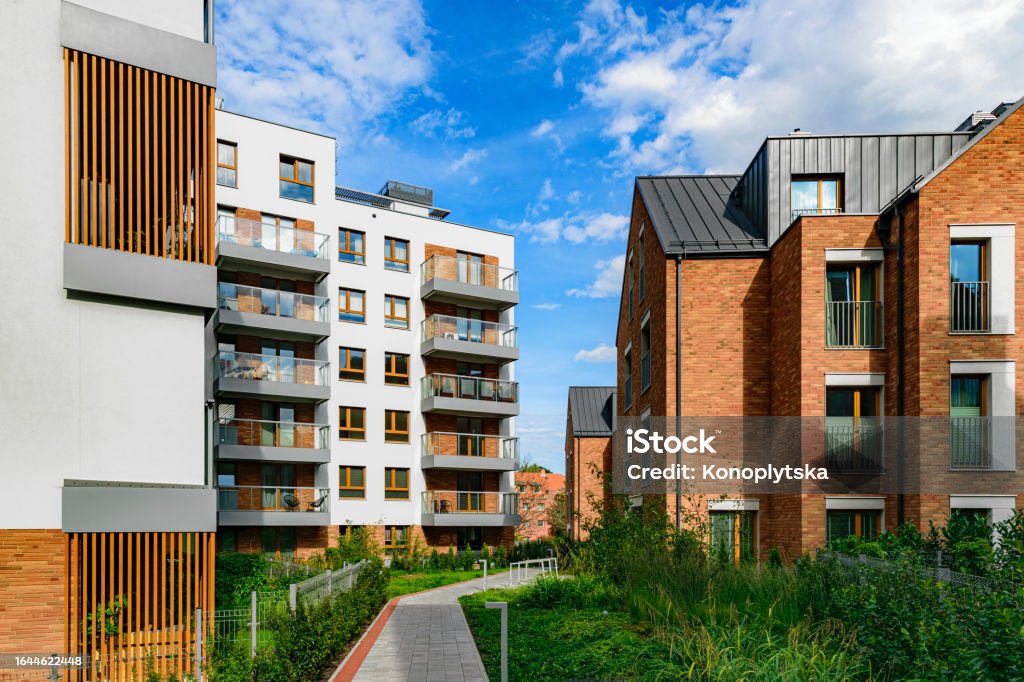
Mixed-Use Property Finance Solutions UK - Development Funding Guide
Mixed-use property finance solutions provide funding for developments and investments combining multiple uses within the same building, site or regeneration scheme. A mixed-use project might incorporate residential apartments, retail units, offices, hospitality, leisure or other commercial space, creating financing requirements that can be more complex than those of a single-use development.
Across London and the UK, funding options can include development finance, commercial mortgages, bridging loans, private credit, mezzanine capital, equity investment and property joint ventures. The appropriate structure depends on the project's use mix, planning status, development costs, expected income and exit strategy.
FraserBond.com supports developers, investors and landowners with mixed-use development opportunities, property acquisitions, sales, lettings, compliance-focused guidance and investment advisory across London and the wider UK property market.
What Is Mixed-Use Property Finance?
Mixed-use property finance refers to funding for a property containing two or more distinct uses.
A common example is a development with commercial premises at ground-floor level and residential apartments above. Larger projects can combine housing with offices, retail, hotels, restaurants and leisure facilities.
Because different parts of the development can have different values, income profiles and risks, lenders may assess each component separately before considering the project as a whole.
A scheme dominated by residential apartments with a small commercial element can therefore attract different funding terms from a major development where commercial and residential uses represent similar proportions of value.
Mixed-Use Development Finance
Mixed-use development finance can fund the acquisition and construction of new schemes or substantial redevelopment of existing properties.
A lender will normally assess the site's purchase price, planning permission, construction programme, development costs and projected completed value.
However, mixed-use projects require additional analysis because each component needs credible assumptions.
Residential values may be supported by comparable apartment sales, while commercial elements require evidence around market rents, tenant demand, yields and letting periods.
Developers should therefore prepare a detailed appraisal rather than applying one valuation methodology across the entire project.
Mixed-Use Property Finance Solutions in London
London contains substantial opportunities for mixed-use property development, particularly where residential and commercial uses can be combined in well-connected locations.
Projects can range from smaller residential-over-retail conversions to major regeneration schemes incorporating hundreds of homes alongside offices, shops and leisure facilities.
London's high land and construction costs can make financing particularly important. Developers need realistic assumptions regarding residential sales values and the commercial element of a scheme.
Local market analysis is essential. Demand for offices, retail or residential property can vary significantly between individual London boroughs and neighbourhoods.
Through FraserBond.com, developers can access Fraser Bond's location-specific expertise when assessing London mixed-use development sites and investment opportunities.
Commercial Mortgages for Mixed-Use Property
Existing income-producing mixed-use buildings may be suitable for a commercial or semi-commercial mortgage, depending on their configuration and the lender's criteria.
For example, an investor purchasing a building containing a shop with residential flats above may require specialist mixed-use finance rather than a standard residential buy-to-let mortgage.
Lenders can examine the proportion of residential and commercial space, existing leases, tenant quality, rental income and property value.
The appropriate product depends heavily on how the property is occupied and used, making specialist advice important when arranging finance.
Bridging Finance for Mixed-Use Property
Mixed-use bridging finance can provide short-term capital where an acquisition needs to complete quickly or a property requires work before longer-term financing becomes available.
A bridging facility might be considered for a mixed-use property requiring refurbishment, lease restructuring or planning work.
Because bridging is normally short-term finance, developers and investors should establish a credible exit before borrowing.
Potential exits could include refinancing onto longer-term commercial finance, selling the completed property or moving into development funding once relevant conditions have been satisfied.
Private Equity and Joint Venture Funding
Large mixed-use developments can require substantial equity alongside senior debt.
A property joint venture - JV can combine the expertise of a developer with capital from a private investor, family office, private equity real estate firm or institutional investor.
The developer may contribute the opportunity, project management and part of the required equity while the investment partner provides additional capital.
The agreement should establish ownership, governance, capital contributions, development responsibilities, cost-overrun provisions, profit distributions and the eventual exit.
External equity can enable developers to undertake larger projects, but it also involves sharing potential returns and potentially control.
Mezzanine and Preferred Equity Solutions
Where a gap remains between senior lending and developer equity, some transactions may use mezzanine finance or preferred equity.
Mezzanine capital typically sits behind the senior lender in the capital structure and therefore carries greater risk. Pricing and return expectations generally reflect this position.
Preferred equity can provide another layer of capital with economic rights negotiated between the developer and investor.
These structures can increase overall financing capacity but also make the capital stack more expensive and complex.
Developers should carefully assess whether projected development profits provide sufficient headroom after all financing and investor costs.
What Mixed-Use Property Lenders Look For
A finance-ready mixed-use development requires clear evidence supporting every major component of the scheme.
Lenders and investors may consider:
- Site acquisition price
- Planning permission and permitted uses
- Residential and commercial floor areas
- Construction and professional costs
- Development programme
- Developer track record
- Developer equity contribution
- Residential sales values
- Commercial rents and yields
- Tenant or occupier demand
- Total development cost
- Projected gross development value - GDV
- Development contingency
- Exit strategy
Commercial space can require particular attention. A scheme with highly valuable residential apartments may still face financing challenges if a significant commercial component has unrealistic rental or letting assumptions.
Financing the Exit from a Mixed-Use Development
The exit strategy should be considered before construction begins.
A developer might sell residential units individually while retaining the commercial investment, dispose of the entire completed development or refinance the stabilised property.
Different strategies can require different financing structures.
For an investment-led mixed-use development, lenders may focus on stabilised rental income and commercial lease terms. For a development intended primarily for sale, projected disposal values and sales rates can become more important.
Stress-testing weaker sales prices, longer letting periods and higher financing costs can help establish whether the proposed exit remains viable.
Mixed-Use Property Investment with Fraser Bond
Fraser Bond works with developers, investors, landlords, landowners and property companies evaluating mixed-use opportunities across London and the UK.
Through FraserBond.com, clients can access development site sourcing, property acquisitions, investment sales, commercial and residential lettings, compliance-focused support and investment advisory.
For developers, Fraser Bond can provide location-specific insight when assessing acquisition values, residential comparables, commercial demand and potential exit strategies.
For investors, Fraser Bond can support the acquisition and disposal of mixed-use and other investment properties.
Visit FraserBond.com to explore London and UK mixed-use property opportunities and discuss your development, acquisition or investment requirements with Fraser Bond.