Neurological Care Home: Finding Suitable Property for Specialist Care
A practical guide for care providers, landlords, investors and developers looking for suitable neurological care home property across the UK
A neurological care home provides specialist accommodation and care for people living with neurological conditions, acquired brain injuries, spinal injuries, physical disabilities and other complex neurological needs. Unlike a standard residential property, the building must support both day-to-day living and the practical requirements of specialist care.
For landlords, investors and care providers, finding the right neurological care home property involves more than securing a large house or commercial building. The property's layout, accessibility, bedrooms, bathrooms, communal areas, staff facilities and potential for adaptation all need to be considered alongside planning, compliance and the intended model of care.
Current CQC examples show that neurological care homes can support people with complex long-term neurological conditions, brain or spinal injuries and rehabilitation needs. Some purpose-built centres combine accommodation with nursing, personal care and rehabilitation facilities.
What is a neurological care home?
A neurological care home is a residential care setting designed for people whose needs arise from neurological conditions or injuries.
Residents may require support because of:
-
Acquired brain injury
-
Stroke
-
Multiple sclerosis
-
Parkinson's disease
-
Motor neurone disease
-
Huntington's disease
-
Spinal injuries
-
Neurological disabilities
-
Long-term physical disabilities
-
Complex neurological conditions
-
Neurodegenerative conditions
Depending on the service model, residents may require personal care, nursing support, rehabilitation, medication management, mobility assistance or specialist equipment.
CQC describes a care home as a setting where accommodation and personal care are provided together. Where nursing care is provided, the service falls within the relevant nursing care category. Both the care and the premises are subject to regulation.
What type of property works for a neurological care home?
There is no single property type that suits every neurological care provider. Requirements depend heavily on resident needs, staffing arrangements, capacity and the level of nursing or rehabilitation support being delivered.
Potential properties include:
Large detached houses
A substantial detached house can sometimes be converted into a smaller specialist care home. Large reception rooms can potentially become communal areas, while existing bedrooms may be adapted for individual residents.
However, the suitability of a house should be assessed before committing to a lease or purchase. Narrow corridors, staircases, inadequate bathrooms and poor access can make conversion expensive.
Bungalows
Bungalows can be particularly useful where residents have significant mobility requirements because single-level accommodation can reduce reliance on stairs and improve circulation.
A suitable bungalow may provide opportunities for wider doorways, accessible bathrooms, adapted bedrooms and direct access to outdoor areas.
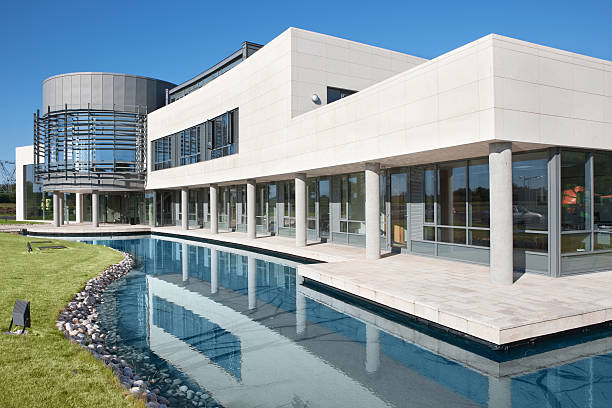
Purpose-built care properties
Purpose-built neurological care homes can provide significantly more flexibility for specialist requirements.
Existing CQC examples include purpose-built neurological centres with individual bedrooms, communal areas and specialist facilities. Eagle Wood Neurological Care Centre, for example, has previously been described as providing neurological rehabilitation and long-term neurological care, with facilities including an occupational therapy kitchen and hydrotherapy facilities.
Existing care homes
An existing care home can sometimes be an attractive option because it may already have appropriate bedrooms, communal areas, staff facilities and accessibility measures.
However, a provider should still carry out detailed due diligence rather than assuming an existing care home automatically meets the requirements of a different neurological care model.
Bedrooms and private accommodation
Bedrooms are one of the most important areas to assess.
A neurological care home may need sufficiently spacious bedrooms to accommodate:
-
Wheelchairs
-
Hoists
-
Specialist beds
-
Mobility equipment
-
Carers assisting with transfers
-
Personal storage
-
Medical or monitoring equipment where required
En-suite facilities can also be valuable because they can improve privacy and reduce unnecessary movement around the building.
The required specification will depend on the people the provider intends to support. A property designed for relatively independent residents may not be suitable for individuals requiring significant assistance with mobility or personal care.
Accessible bathrooms and wet rooms
Bathroom design can have a major impact on whether a property is suitable for neurological care.
Providers may need:
-
Level-access showers
-
Wet rooms
-
Space for carers
-
Appropriate grab rails
-
Accessible toilets
-
Hoist compatibility where required
-
Adequate turning space
-
Non-slip flooring
-
Accessible basins and fittings
These adaptations should be considered before a property is acquired or leased. Retrofitting an unsuitable bathroom layout can become expensive, particularly where structural alterations and drainage changes are required.
Communal areas and rehabilitation space
Neurological care is not necessarily limited to bedrooms and personal care.
Many specialist environments incorporate spaces that encourage rehabilitation, social interaction and independence.
Depending on the service, a property may need:
-
A communal lounge
-
Dining space
-
Activity rooms
-
Therapy rooms
-
Rehabilitation areas
-
Occupational therapy facilities
-
Quiet areas
-
Accessible garden space
-
Visitor areas
For rehabilitation-focused services, the property should be considered as part of the overall therapeutic environment rather than simply as accommodation.
CQC's current assessment of Eagle Wood, for example, notes that residents were supported with rehabilitation needs by a multidisciplinary team of health professionals.
Property requirements for complex neurological needs
Some residents may have considerably higher dependency levels.
This can affect the property's requirements for:
-
Hoist access
-
Wheelchair circulation
-
Specialist beds
-
Emergency access
-
Staff visibility
-
Equipment storage
-
Accessible bathing
-
Medication storage
-
Clinical areas
-
Larger bedrooms
-
Safe external access
A property that works for a small residential care service may therefore be unsuitable for a high-dependency neurological care home.
The intended resident profile should be established before assessing potential buildings.
Location matters for neurological care homes
Location can affect recruitment, accessibility and the service's relationship with hospitals and community healthcare professionals.
A neurological care property may benefit from being within reasonable reach of:
-
Hospitals
-
Rehabilitation services
-
GP practices
-
Pharmacies
-
Community healthcare services
-
Public transport
-
Main roads
-
Local shops
-
Parks and accessible outdoor spaces
For London operators, property sourcing can be particularly challenging because large accessible buildings with suitable layouts can command significant premiums.
This makes early property assessment important before committing to a particular operating model.
Planning and property conversion
Converting a residential property into a neurological care home may require planning advice and building work.
Potential works could include:
-
Internal reconfiguration
-
Bedroom creation
-
Bathroom conversion
-
Door widening
-
Ramp installation
-
Accessible entrances
-
Fire safety improvements
-
Electrical upgrades
-
Plumbing modifications
-
Kitchen refurbishment
-
Staff facilities
-
External access improvements
The precise requirements depend on the property, proposed use and scope of works.
A provider should therefore assess planning and building requirements before assuming that a property can simply be converted.
Buying or leasing a neurological care home property
Care providers have different reasons for buying or leasing.
Leasing can reduce the initial capital requirement and allow an operator to establish a service without purchasing the building outright. However, the lease needs to accommodate the provider's intended investment in adaptations and refurbishment.
Buying can give greater control over the property and future development, but requires significantly more capital and transfers additional property responsibilities to the owner.
For either route, due diligence should cover:
-
Property title
-
Existing planning use
-
Building condition
-
Fire safety
-
Electrical systems
-
Gas systems
-
Accessibility
-
Structural condition
-
Repair obligations
-
Proposed adaptations
-
Lease terms
-
Insurance
-
Maintenance responsibilities
Working with landlords and investors
Landlords considering leasing property to neurological care providers should understand the proposed use before agreeing terms.
A specialist care operator may need to carry out substantial alterations. The lease should therefore clearly establish who is responsible for:
-
Adaptations
-
Repairs
-
Maintenance
-
Compliance works
-
External areas
-
Building insurance
-
Specialist installations
-
Reinstatement at the end of the lease
Investors should also consider whether the property has long-term specialist-use potential and whether its layout can accommodate future operational requirements.
Finding neurological care home property in London
London has a substantial market for specialist care and supported accommodation, but suitable properties can be difficult to identify.
A standard residential property may look suitable online but prove unsuitable after a physical inspection because of restricted access, inadequate bathrooms, insufficient bedrooms or limited space for adaptations.
Fraser Bond can assist care providers, landlords and investors with property sourcing, acquisition, refurbishment, building works, property management and wider property consultancy requirements.
The objective is not simply to find a large building. It is to identify a property that can realistically support the intended neurological care model.
Refurbishing a property for neurological care
Refurbishment may be necessary before a property is operational.
A coordinated refurbishment programme can include:
-
Accessible bathroom installation
-
Bedroom alterations
-
Flooring
-
Decoration
-
Kitchen upgrades
-
Door alterations
-
Accessibility improvements
-
Fire safety works
-
Electrical works
-
Plumbing
-
External landscaping
-
Accessibility ramps
-
General repairs
For care providers, coordinating multiple contractors can become a significant operational burden. A property consultancy with experience across refurbishment and building services can help bring the different elements together.
Due diligence before taking a neurological care property
Before signing a lease or purchasing a building, operators should inspect the property against the needs of their intended residents.
Important questions include:
-
Is there sufficient space for residents and staff?
-
Can residents move safely around the property?
-
Can bathrooms be adapted where necessary?
-
Are bedrooms large enough for specialist equipment?
-
Is there suitable access for emergency services?
-
Can the building accommodate the required fire safety measures?
-
Is there enough communal and activity space?
-
Is the outdoor space accessible?
-
Can the property be legally used for the intended service?
-
What refurbishment costs are likely to be required?
Answering these questions early can prevent expensive mistakes.
Fraser Bond neurological care home property services
Fraser Bond supports UK property requirements across acquisition, leasing, refurbishment, construction and ongoing property management.
For neurological care providers, this can include sourcing suitable property, assessing potential buildings, coordinating refurbishment, arranging building works, supporting property management and helping landlords understand the requirements associated with specialist care accommodation.
For investors and property owners, Fraser Bond can also provide guidance on preparing suitable buildings for specialist operators and managing the practical property requirements that follow.
If you are looking for a neurological care home property in London or elsewhere in the UK, the right starting point is a detailed assessment of the service model, resident requirements and property specification before committing to a building.