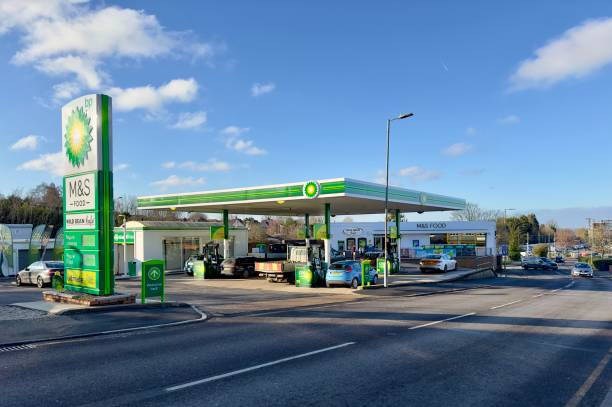
Petrol Station for Lease UK - Finding and Evaluating a Forecourt Business
Taking a petrol station for lease in the UK can provide an opportunity to operate a roadside business with several potential income streams, including fuel sales, convenience retail, car washing, food and drink, vehicle services and other forecourt facilities.
However, leasing a petrol station is considerably more complex than renting a conventional retail unit. The operator needs to consider the lease structure, fuel supply arrangements, environmental responsibilities, equipment, business rates, planning restrictions and the commercial performance of the site before committing to a long-term agreement.
Fraser Bond helps investors, operators and property businesses assess commercial property opportunities and understand the practical considerations involved in taking on a petrol station or forecourt.
What Does a Petrol Station Lease Include?
A petrol station lease can cover substantially more than the forecourt itself.
Depending on the property, the premises may include:
-
Fuel pumps and underground storage tanks
-
Forecourt canopy
-
Convenience shop
-
Storage areas
-
Offices
-
Customer toilets
-
Car wash
-
Workshop or garage
-
Parking areas
-
Food and beverage facilities
-
EV charging infrastructure
-
Advertising or roadside signage
Some sites are leased as fully operational businesses, while others are former petrol stations where the incoming operator needs to undertake refurbishment, equipment upgrades or obtain additional permissions.
The lease should clearly establish which fixtures, equipment and facilities are included and who is responsible for maintaining or replacing them.
How Much Does It Cost to Lease a Petrol Station in the UK?
There is no standard rent for a petrol station because values depend heavily on location, site size, traffic levels, fuel throughput, shop sales, additional facilities and the condition of the premises.
As an example of the range available, a former petrol station and service site in Buckinghamshire has recently been marketed at £125,000 per year, with a large forecourt, workshop and sales areas. Other roadside forecourt opportunities can be considerably smaller or structured differently.
The headline rent should not be considered in isolation.
An operator should also budget for:
-
Business rates
-
Utilities
-
Insurance
-
Staff
-
Fuel stock
-
Maintenance
-
Equipment servicing
-
Waste management
-
Security
-
Repairs
-
Professional fees
-
Lease deposits
-
Rent reviews
-
Compliance costs
The overall occupancy cost needs to be compared with the site's realistic trading potential.
How Are Petrol Stations Valued?
Petrol stations have a different valuation profile from ordinary retail premises because their earning potential is closely connected to the trade generated by the site.
The Valuation Office Agency considers factors including forecourt fuel throughput, shop sales, car wash income, bunkered fuel and lottery sales when assessing petrol filling stations. The 2026 rating list also reflects changes in forecourt trading conditions since the previous revaluation.
This makes the trading history of a petrol station particularly important when assessing whether the proposed rent is commercially sensible.
An apparently expensive lease may be reasonable for a high-volume site, while a cheaper-looking property may be poor value if traffic, fuel sales and retail turnover are weak.
Check the Fuel Supply Agreement
One of the most important issues is understanding how fuel will be supplied.
Some petrol stations operate under agreements requiring the operator to purchase fuel exclusively from a particular supplier or brand. These arrangements can affect both the commercial flexibility of the operator and the effective economics of the lease.
The Valuation Office Agency notes that fuel supply arrangements can influence the relationship between the rent paid and the property's underlying open-market rental value.
Before signing, an operator should understand:
-
Who supplies the fuel
-
Whether there is a fuel tie
-
Minimum purchasing requirements
-
Fuel pricing arrangements
-
Contract length
-
Branding requirements
-
Payment terms
-
Whether the agreement can be terminated
-
Whether the lease and fuel agreement expire at the same time
These terms can materially affect profitability.
Location Is Critical
A petrol station depends heavily on visibility, accessibility and traffic.
A site on a busy arterial road may have substantially greater commercial potential than a similarly sized forecourt hidden within a residential area.
When evaluating a petrol station for lease, consider:
-
Traffic volumes
-
Road direction and accessibility
-
Junction positioning
-
Visibility from approaching vehicles
-
Nearby competitors
-
Local population
-
Commercial and residential development
-
Nearby supermarkets
-
Availability of parking
-
Distance from other forecourts
-
Potential for repeat local customers
A strong location can also support additional revenue from convenience retail, food, coffee, vehicle services and car washing.
Petrol Station With Convenience Store
Many modern forecourts generate a significant proportion of their income from retail rather than fuel alone.
A convenience store can provide additional sales from:
-
Groceries
-
Drinks
-
Snacks
-
Household products
-
Coffee
-
Fresh food
-
Tobacco and age-restricted products
-
Lottery services
-
Parcel services
The operator should assess whether the existing shop layout is commercially suitable or whether investment will be required to modernise it.
A larger retail component may also increase staffing, refrigeration, stockholding and operating costs.
Petrol Station With Car Wash or Workshop
Additional facilities can make a forecourt more commercially attractive.
A car wash can provide an additional income stream, while a workshop can generate revenue from servicing, tyres, MOT-related services and repairs where the appropriate facilities and permissions are in place.
However, additional facilities also introduce additional operational responsibilities.
Before taking a lease, confirm who owns the equipment and who is responsible for maintenance, replacement and compliance.
Environmental Responsibilities
Petrol stations require particular attention to environmental risk.
Underground fuel storage tanks, pipework and historical fuel use can create potential contamination issues.
Before taking on a long lease, an operator should establish:
-
The condition of fuel tanks
-
Tank ownership
-
Maintenance records
-
Leak detection systems
-
Previous environmental investigations
-
Responsibility for historic contamination
-
Responsibility for future remediation
-
Drainage arrangements
-
Insurance requirements
These matters should be addressed clearly in the lease rather than left ambiguous.
A seemingly attractive rental opportunity can become expensive if the tenant inherits substantial repair or environmental liabilities.
Business Rates and Operating Costs
Business rates are another important part of the financial assessment.
For petrol filling stations in England and Wales, the Valuation Office Agency uses a specialist approach that considers rental evidence and fair maintainable trade. The 2026 revaluation took effect on 1 April 2026.
The tenant should therefore obtain the current rateable value and estimate the actual business rates liability before agreeing the lease.
Other operating costs should be modelled alongside the rent to establish the site's true break-even point.
What to Check Before Signing a Petrol Station Lease
A proper due diligence process should examine:
-
The lease term and renewal provisions
-
Rent and rent review mechanism
-
Deposit and guarantees
-
Repairing obligations
-
Insurance responsibilities
-
Fuel supply agreements
-
Equipment ownership
-
Underground tanks and pipework
-
Environmental liabilities
-
Planning use and restrictions
-
Business rates
-
Existing trading figures
-
Fuel throughput
-
Shop turnover
-
Staff and operating costs
-
Car wash or workshop arrangements
-
Potential redevelopment restrictions
-
Break clauses and assignment rights
The lease should be reviewed carefully before the operator commits to significant expenditure.
Is Leasing a Petrol Station Profitable?
A petrol station can be profitable when the location, rent and operating model work together.
However, profitability should not be judged by fuel sales alone.
A stronger business model may combine:
Fuel + convenience retail + food and drink + car wash + vehicle services + other permitted income streams
The operator should prepare a realistic trading forecast using actual site performance where available.
A useful calculation is:
Expected gross profit - rent - business rates - wages - utilities - maintenance - finance - other operating costs = estimated operating profit
This gives a much clearer picture than looking at turnover alone.
Petrol Stations Can Offer Multiple Revenue Streams
The modern forecourt can operate as a broader roadside retail business.
Depending on the property and required permissions, an operator may be able to generate income through:
-
Fuel
-
Convenience retail
-
Coffee
-
Food
-
Car washing
-
Vehicle servicing
-
Tyres
-
Parcel collection
-
ATM services
-
Advertising
-
EV charging
The suitability of each additional service will depend on the individual property, planning position, available space and commercial demand.
How Fraser Bond Can Help
Fraser Bond works with property owners, investors and commercial operators assessing UK property opportunities.
For a petrol station lease, we can help clients consider the property's commercial potential, lease structure, refurbishment requirements, operational considerations and wider investment objectives.
The aim is to help operators identify the right premises rather than simply taking the cheapest available forecourt.
Looking for a Petrol Station for Lease in the UK?
Whether you are an experienced forecourt operator, independent retailer or investor entering the sector, the right petrol station needs to work commercially before you sign the lease.
Fraser Bond can assist with assessing suitable commercial property opportunities and coordinating the property requirements involved in establishing or taking over a forecourt business.