Rehab Centre for Sale: Finding the Right Property for a Rehabilitation Service
A practical guide for care providers, healthcare operators, investors and developers looking for a rehab centre for sale in London or elsewhere in the UK
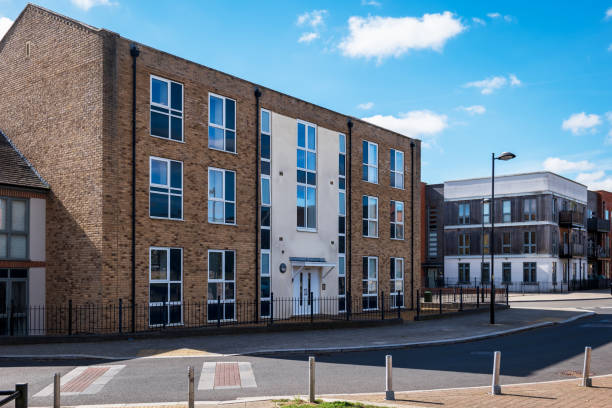
Finding a rehab centre for sale can provide an opportunity to acquire an existing specialist facility rather than starting a rehabilitation service from an empty building. However, the value of a rehabilitation property depends on more than its size, location or asking price.
The building needs to support the intended rehabilitation programme, whether that involves neurological rehabilitation, acquired brain injury, physical rehabilitation, post-hospital recovery or another specialist service.
Current CQC registrations show that rehabilitation services can cover different patient groups and operating models. For example, the National Rehabilitation Centre in Nottinghamshire is registered for rehabilitation following illness or injury and supports people with physical disabilities.
What to look for in a rehab centre for sale
A rehabilitation centre should be assessed according to the service the buyer intends to operate.
Potential requirements include:
-
Accessible entrances
-
Accessible bedrooms
-
Adapted bathrooms
-
Wet rooms
-
Therapy rooms
-
Rehabilitation gyms
-
Treatment rooms
-
Communal areas
-
Dining facilities
-
Assessment kitchens
-
Staff offices
-
Storage areas
-
Accessible gardens
-
Parking
-
Suitable space for specialist equipment
An existing rehabilitation centre may already have some of these facilities, potentially reducing the extent of conversion work required.
However, buyers should still establish whether the existing configuration is suitable for their particular patient group.
Existing rehab centres versus properties for conversion
There are two common approaches when searching for a rehabilitation property.
Buying an existing rehab centre
An existing facility may already have appropriate accommodation, therapy areas and specialist infrastructure.
This can make the acquisition process different from purchasing an ordinary residential property.
The buyer should investigate:
-
Existing use
-
Current operator
-
CQC registration
-
Property ownership
-
Occupancy
-
Lease arrangements
-
Condition of the building
-
Existing equipment
-
Maintenance history
-
Planning position
-
Fire safety arrangements
A current rehabilitation use should not automatically be treated as evidence that the property will meet the requirements of a new operator.
Buying a property for conversion
A former care home, healthcare building, large house or other suitable property may also be converted into a rehabilitation centre.
This can give the operator more control over the final layout, but conversion costs need to be carefully assessed.
Potential works can include bathroom adaptations, accessibility improvements, fire safety upgrades, internal reconfiguration, electrical upgrades, heating improvements and the creation of therapy areas.
Neurological rehabilitation centres
A rehab centre for sale may be particularly relevant to providers specialising in neurological conditions.
Neurological rehabilitation can involve people recovering from:
-
Acquired brain injury
-
Stroke
-
Traumatic brain injury
-
Spinal injury
-
Neurological disease
-
Physical disabilities
-
Complex neurological conditions
For these services, the property may need space for physiotherapy, occupational therapy, speech and language therapy, cognitive rehabilitation and mobility training.
Hunters Moor Neurorehabilitation Centre, for example, provides nursing care and neurological rehabilitation support for adults. Its CQC records demonstrate how specialist rehabilitation properties can combine accommodation with rehabilitation services.
ABI rehab centre property
Acquired brain injury providers can have particularly specific property requirements.
Depending on the residents' needs, the facility may need:
-
Accessible bedrooms
-
Ensuite wet rooms
-
Space for mobility equipment
-
Therapy rooms
-
Rehabilitation areas
-
Accessible kitchens
-
Communal lounges
-
Quiet spaces
-
Outdoor areas
-
Staff facilities
An assessment kitchen can also be useful where rehabilitation includes preparing people for greater independence.
When assessing an ABI rehab centre for sale, buyers should consider whether the property can accommodate both care and rehabilitation rather than focusing solely on bedroom capacity.
Therapy and rehabilitation facilities
The therapy environment can be one of the most important elements of a rehabilitation property.
Potential facilities include:
-
Physiotherapy rooms
-
Occupational therapy rooms
-
Rehabilitation gyms
-
Speech and language therapy rooms
-
Cognitive rehabilitation areas
-
Mobility practice areas
-
Assessment kitchens
-
Laundry facilities
-
Activity rooms
The layout should allow therapists and care staff to work effectively without creating unnecessary congestion or compromising residents' privacy.
Where a property lacks appropriate therapy space, the buyer should establish whether additional rooms can be created through refurbishment or an extension.
Bedrooms and accessible bathrooms
For residential rehabilitation, bedrooms need to accommodate people with varying levels of mobility and independence.
Buyers should check:
-
Bedroom dimensions
-
Door widths
-
Corridor widths
-
Wheelchair circulation
-
Hoist compatibility
-
Specialist beds
-
Storage
-
Ensuite facilities
-
Emergency access
Bathrooms can be particularly expensive to adapt.
A property with existing wet rooms and accessible bathrooms may reduce refurbishment requirements, although their condition and suitability should still be professionally assessed.
Location of a rehab centre
Location can have a major impact on the practical operation of a rehabilitation service.
Providers may look for proximity to:
-
Acute hospitals
-
Specialist consultants
-
GP surgeries
-
Pharmacies
-
Public transport
-
Local amenities
-
Accessible parks
-
Family networks
-
Healthcare professionals
-
Staff recruitment areas
London rehabilitation properties can be particularly varied, from converted residential buildings to specialist healthcare facilities.
The right location therefore needs to balance accessibility for patients and families with the property's acquisition cost and operational requirements.
Planning and regulatory checks
A buyer should establish the property's current planning use and whether the proposed rehabilitation service is compatible with it.
Changing the use or significantly altering a property may require planning permission or building control approval.
The regulatory model should also be identified before acquisition.
CQC registers different rehabilitation-related services depending on the treatment and accommodation being provided. For example, its current registration information for the National Rehabilitation Centre identifies the service type as rehabilitation for illness or injury.
For residential services, the building may also need to meet requirements relating to safe premises, equipment, accessibility and care delivery.
Professional planning, property and regulatory advice should therefore form part of the acquisition process.
Buying a rehab centre as an investment
Investors may consider purchasing an existing rehabilitation facility and leasing it to an experienced operator.
In this model, the investor's assessment should cover both the property and the proposed tenant.
Important considerations can include:
-
Purchase price
-
Rental income
-
Lease length
-
Rent review provisions
-
Operator experience
-
Operator financial strength
-
Property condition
-
Refurbishment requirements
-
Planning
-
Alternative uses
-
Maintenance obligations
-
Exit strategy
A specialist healthcare property should be assessed differently from a conventional residential investment because its value may be closely connected to its configuration and intended use.
Refurbishing a rehab centre
Even an existing rehabilitation centre may require refurbishment after acquisition.
Potential works include:
-
Accessible bathroom upgrades
-
Door widening
-
Ramp installation
-
Lift works
-
Fire safety improvements
-
Electrical upgrades
-
Heating and ventilation
-
Flooring
-
Kitchen refurbishment
-
Therapy room creation
-
Bedroom alterations
-
Accessible garden improvements
A detailed building survey and refurbishment cost plan can help establish the true acquisition cost before contracts are exchanged.
Leasing a rehab centre
Providers that do not want to purchase property may consider leasing a suitable rehab centre.
Landlords and operators should agree responsibility for:
-
Structural repairs
-
Internal repairs
-
Adaptations
-
Planned maintenance
-
Refurbishment
-
Fire safety systems
-
Mechanical and electrical systems
-
Insurance
-
Compliance-related works
-
Reinstatement
Where the provider intends to make major alterations, the lease should specifically address permissions for those works.
Fraser Bond can help find a rehab centre for sale
Fraser Bond works with healthcare operators, care providers, investors, landlords and developers looking for specialist property across London and the UK.
Our services can include:
-
Rehab centre property sourcing
-
Acquisition advice
-
Investment consultancy
-
Property feasibility assessments
-
Development consultancy
-
Refurbishment planning
-
Construction coordination
-
Contractor management
-
Property management
-
Repairs and maintenance
-
Specialist care property support
For a provider looking for a rehab centre for sale, the search can be built around the intended service, required capacity, patient profile, accessibility requirements, location and refurbishment budget.
This allows potential properties to be assessed according to their operational suitability rather than simply their asking price.
Start your rehab centre property search
A rehab centre for sale can offer an established starting point for a healthcare operator, care provider or specialist property investor.
The key is to assess the entire opportunity, including the building, location, planning position, accessibility, rehabilitation facilities, refurbishment requirements and long-term operating model.
Whether you are looking for an existing neurological rehabilitation centre, an ABI facility, a physical rehabilitation property or a building suitable for conversion, Fraser Bond can assist with sourcing, acquisition, refurbishment, construction coordination and ongoing property management.