Rehab Operator Looking for Property: Finding Suitable UK Rehabilitation Accommodation
A practical guide for rehabilitation operators, healthcare providers and specialist care organisations looking for property to buy or lease across London and the UK
When a rehab operator is looking for property, the search needs to go beyond finding a building with enough bedrooms. The property must work for the operator's treatment model, resident profile, staffing arrangements, regulatory requirements and long-term business plans.
For residential substance misuse rehabilitation, this can mean finding accommodation that combines bedrooms with therapy rooms, communal areas, staff facilities and suitable spaces for structured recovery programmes. CQC describes residential substance misuse rehabilitation services as providing care, treatment and support, including psychosocial treatment and, for some services, assessment, stabilisation and detoxification.
Fraser Bond helps rehab operators, healthcare providers, landlords and investors source, assess, acquire, lease and refurbish specialist property across London and the wider UK.
What Does a Rehab Operator Need From a Property?
The first step is to establish a clear property specification.
A rehab operator may be looking for:
-
A specific number of bedrooms
-
Single or shared accommodation
-
En-suite bathrooms
-
Therapy and counselling rooms
-
Communal lounges
-
Dining facilities
-
Staff offices
-
Treatment rooms
-
Accessible accommodation
-
Outdoor space
-
Parking
-
Suitable planning use
-
Space for future expansion
The requirements will vary considerably depending on whether the operator provides substance misuse rehabilitation, neurological rehabilitation, acquired brain injury rehabilitation or physical rehabilitation.
The property search should therefore begin with the operator's service model rather than a generic property size.
What Types of Property Can Rehab Operators Consider?
A rehab operator looking for property may consider several different types of buildings.
Potential options include:
-
Existing rehabilitation centres
-
Former care homes
-
Former nursing homes
-
Large detached houses
-
Former residential schools
-
Healthcare properties
-
Specialist care facilities
-
Country houses
-
Former institutional buildings
-
Existing treatment centres
-
Large residential properties suitable for conversion
An existing rehab or care facility can reduce some conversion requirements, but it is not automatically the best option.
A conventional residential property may offer a better location, layout or commercial opportunity if it can be adapted to meet the operator's requirements.
Residential Rehab Property Requirements
Operators providing residential rehabilitation need to consider the resident accommodation carefully.
Useful property features can include:
-
Single bedrooms
-
En-suite bathrooms
-
Ground-floor bedrooms
-
Accessible rooms
-
Good natural light
-
Adequate ventilation
-
Private areas
-
Practical circulation
-
Secure storage
Current CQC examples show that residential rehabilitation services can operate from properties with single-occupancy rooms, en-suite bathrooms and accessible rooms. New Oakwood Lodge, for example, provides single rooms with en-suite bathrooms, separate male and female accommodation and accessible rooms.
The required configuration will depend on the operator's programme and the people it supports.
Therapy and Treatment Space
A rehab operator looking for property should assess the building for more than accommodation.
Depending on the service, dedicated space may be required for:
-
Individual counselling
-
Group therapy
-
Assessments
-
Consultations
-
Physiotherapy
-
Occupational therapy
-
Recovery meetings
-
Educational sessions
-
Activities
-
Quiet support sessions
For substance misuse rehabilitation, structured programmes can include behavioural development, relapse prevention, harm reduction and peer-led activities.
For neurological or physical rehabilitation, the property may require larger therapy rooms and specialist accessibility features.
Communal Areas and Resident Experience
Communal space is particularly important for residential rehabilitation.
Operators may require:
-
Comfortable lounges
-
Dining rooms
-
Group rooms
-
Activity areas
-
Meeting rooms
-
Shared kitchens
-
Study areas
-
Quiet spaces
-
Reception areas
The building should allow residents to participate in structured activities while retaining sufficient privacy.
A property with a sensible separation between bedrooms, treatment areas, communal spaces and staff areas can be easier to operate than a building where all functions compete for the same space.
Kitchen and Daily Living Facilities
For longer-term residential rehabilitation, everyday living facilities can form part of the programme.
A suitable property may need:
-
A practical kitchen
-
Dining space
-
Food storage
-
Laundry facilities
-
Utility areas
-
Household storage
-
Space for independent living activities
These facilities can support structured routines and, depending on the programme, help residents develop practical skills for returning to independent living.
Does the Operator Provide Detoxification?
This question should be answered before selecting a property.
A rehabilitation operator providing post-detox psychosocial rehabilitation may have different property and clinical requirements from an operator providing medically monitored detoxification.
For example, Littledale Hall Therapeutic Community is a 33-bed residential substance misuse service focused on psychosocial rehabilitation and does not provide detoxification; residents undergo detoxification or are free from illicit substances before admission.
By contrast, Cocoon Residential Rehab provides medically monitored detoxification and therapeutic rehabilitation and is registered for both Treatment of disease, disorder or injury and Accommodation for persons who require treatment for substance misuse.
The operator's treatment model should therefore be established before deciding what property is required.
Planning and CQC Considerations
Planning and regulatory due diligence should take place before a rehab operator commits to a property.
The existing use, proposed service, number of residents, staffing arrangements and planned alterations can all affect suitability.
CQC's regulated activity for accommodation for people who require treatment for substance misuse covers residential accommodation provided together with substance misuse treatment. This can include structured psychosocial treatment programmes and managed withdrawal or detoxification.
The exact registration position depends on the activities being provided. Operators should establish their regulatory requirements before signing a lease or proceeding with acquisition.
Location Requirements for a Rehab Operator
Location should be considered alongside the treatment model.
Depending on the service, a rehab operator may need convenient access to:
-
Hospitals
-
GP and healthcare services
-
Pharmacies
-
Public transport
-
Shops and essential amenities
-
Family visiting arrangements
-
Community services
-
Emergency services
Some residential rehabilitation models may benefit from a quieter suburban or semi-rural environment, while other operators may require strong London transport connections.
Privacy, surrounding uses, parking, noise and access should also be considered before committing to a building.
Accessibility Requirements
Accessibility can be particularly important for operators supporting people with physical disabilities, neurological conditions or acquired brain injuries.
Potential requirements include:
-
Step-free access
-
Ground-floor bedrooms
-
Accessible bathrooms
-
Wider doorways
-
Level circulation
-
Lifts
-
Handrails
-
Accessible kitchens
-
Suitable parking
-
Accessible outdoor areas
Even where a property is not currently accessible, an operator should establish whether appropriate adaptations are technically and financially realistic.
Fire Safety and Building Condition
A property can appear suitable during an initial viewing but require substantial investment before it can operate as a rehabilitation service.
A detailed assessment should consider:
-
Fire alarm systems
-
Fire doors
-
Escape routes
-
Emergency lighting
-
Electrical installations
-
Heating
-
Plumbing
-
Roofing
-
Damp
-
Structural condition
-
Security
-
Accessibility
-
General maintenance
This is particularly important when considering older London properties or buildings that have previously been used for a different purpose.
Understanding refurbishment costs before agreeing terms can help the operator avoid unexpected capital expenditure.
Rehab Operator Looking for Property to Rent
Leasing can be an attractive option for a rehab operator that wants to expand without purchasing a building.
Important lease considerations include:
-
Lease length
-
Rent
-
Break clauses
-
Alteration permissions
-
Repair obligations
-
Maintenance responsibilities
-
Insurance
-
Planning requirements
-
Compliance responsibilities
-
Reinstatement obligations
If the operator is expected to spend significantly on refurbishment, the lease needs to provide sufficient security to justify the investment.
A landlord should also understand the intended rehabilitation use before agreeing to specialist occupation.
Rehab Operator Looking to Buy Property
Buying gives an operator greater control over the property and can allow extensive refurbishment where necessary.
Before purchasing, the operator should assess:
-
Purchase price
-
Location
-
Existing use
-
Planning position
-
Building condition
-
Refurbishment requirements
-
Accessibility
-
Regulatory requirements
-
Operating costs
-
Future alternative uses
A building that can accommodate the current service while retaining flexibility for future changes may be particularly useful.
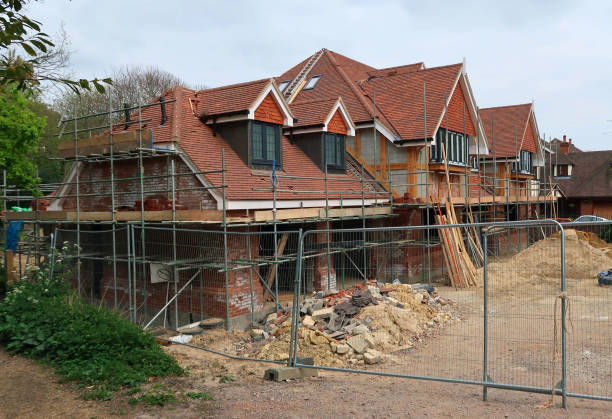
Converting a Property for a Rehab Operator
Not every rehab operator will find an existing rehabilitation centre that matches its requirements.
Conversion can therefore be an important part of the property search.
Potential works include:
-
Bedroom upgrades
-
Bathroom refurbishment
-
Therapy room creation
-
Kitchen upgrades
-
Accessibility adaptations
-
Fire safety improvements
-
Staff office creation
-
Security improvements
-
Heating and electrical upgrades
-
Internal reconfiguration
-
Outdoor improvements
Fraser Bond can support property sourcing and coordinate relevant refurbishment, construction, maintenance and contractor requirements where appropriate.
What Landlords Should Know When a Rehab Operator Is Looking for Property
Landlords considering a rehabilitation operator as a tenant should understand the proposed use before agreeing terms.
Questions may include:
-
What type of rehabilitation service will operate?
-
How many residents will be accommodated?
-
Will treatment be provided on site?
-
Will significant alterations be required?
-
What is the proposed lease term?
-
Who will be responsible for repairs?
-
What planning and regulatory approvals are required?
-
What specialist installations will be needed?
A clear understanding of these issues can help both parties structure an appropriate property arrangement.
Rehab Property as an Investment
Investors can also work with rehab operators looking for suitable buildings.
Potential investment considerations include:
-
Location
-
Purchase price
-
Building condition
-
Existing planning position
-
Operator covenant
-
Lease terms
-
Refurbishment expenditure
-
Specialist demand
-
Regulatory considerations
-
Future alternative uses
A flexible property may provide more options over the long term than a building designed exclusively around one highly specialised use.
How Fraser Bond Can Help Rehab Operators Looking for Property
Fraser Bond supports specialist operators, healthcare providers, landlords and investors with UK property requirements.
Depending on the project, services can include:
-
Rehab property sourcing
-
Property acquisition
-
Property leasing
-
Investment consultancy
-
Property management
-
Refurbishment coordination
-
Building works
-
Maintenance
-
Contractor coordination
-
Compliance support
-
Development consultancy
-
Landlord support
For a rehab operator looking for property, Fraser Bond can help identify opportunities based on location, capacity, property type, treatment model, refurbishment requirements and commercial objectives.
Finding the Right Property for a Rehab Operator
A rehab operator looking for property needs to assess more than the number of bedrooms or the headline asking price. The building must work for the treatment model, resident population, staffing arrangements, accessibility requirements and long-term operating strategy.
Whether you need a residential rehab centre, substance misuse property, neurological rehabilitation facility, ABI property or another specialist rehabilitation building, the right property search starts with a clear specification and thorough due diligence.
Fraser Bond can help rehab operators source and assess suitable property across London and the wider UK, with support covering acquisition, leasing, refurbishment, management and wider property services.