


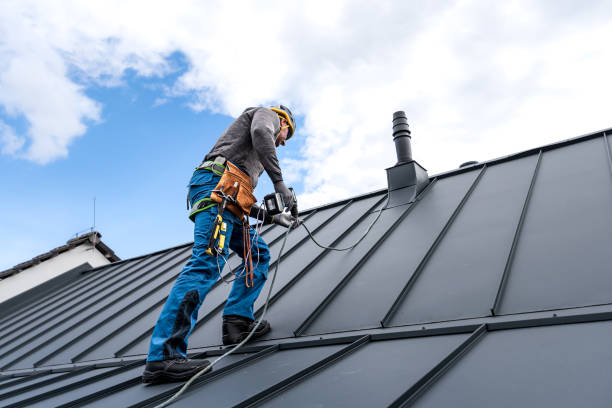
Roof Lead Work - Professional Lead Roofing, Flashing Repairs and Installation in the UK
Roof lead work is an essential part of traditional and modern roofing, providing durable weatherproofing around chimneys, roof valleys, parapets, dormers and junctions between different building materials. Lead has been used in British construction for centuries and remains an important roofing material, particularly for period properties, historic buildings and complex roof structures.
Professional roof lead work includes installing new lead flashing, repairing damaged leadwork, replacing deteriorated lead valleys and maintaining lead roofing systems. When correctly designed and installed, lead helps prevent water penetration and protects the underlying roof structure.
Across London and the wider UK, properties ranging from Victorian terraces and Georgian townhouses to commercial buildings and contemporary developments may require specialist lead roofing services.
Fraser Bond supports homeowners, landlords, freeholders, property investors and developers with property management, sales, lettings and wider real estate advisory services through FraserBond.com.
What Is Roof Lead Work?
Roof lead work refers to the installation, repair and maintenance of lead components used in roofing and weatherproofing systems.
Lead is a malleable metal that can be formed around complex roof details, making it particularly suitable for junctions where standard tiles or slates cannot provide complete weather protection.
It is commonly used around chimney stacks, dormer windows, roof valleys, parapet walls and other vulnerable areas.
Leadwork may also form the primary waterproof covering on certain flat or low-pitched roofs.
Because lead expands and contracts with temperature changes, correct installation requires appropriate detailing, fixing and allowance for thermal movement.
Professional Roof Lead Work Services
Specialist roofing contractors undertake a variety of leadwork projects on residential and commercial properties.
Common services include:
-
Lead flashing installation and replacement.
-
Chimney lead flashing repairs.
-
Lead valley installation and refurbishment.
-
Lead apron and stepped flashing repairs.
-
Lead parapet and wall coping work.
-
Lead dormer roof installation.
-
Lead gutter and drainage repairs.
-
Lead roof covering replacement.
-
Traditional leadwork restoration for historic buildings.
The appropriate service depends on the existing roof construction, the condition of the lead and the extent of any water penetration.
Lead Flashing Repairs
Lead flashing is used to form a weatherproof junction between a roof covering and an adjoining structure.
It is particularly common where pitched roofs meet chimney stacks, walls and other vertical surfaces.
Over time, lead flashing can become displaced, split or damaged through poor installation, building movement or inappropriate fixing.
A professional repair should establish whether the problem involves the lead itself, its fixings or the surrounding roofing materials.
Localised repairs may be sufficient where the remaining leadwork is in good condition.
However, extensive deterioration or incorrect original installation may require complete replacement.
Chimney Lead Work
Chimney stacks are among the most common locations for roof leadwork.
The junction between chimney masonry and the roof covering requires carefully formed flashing to prevent rainwater entering the building.
Traditional chimney flashing may include apron flashing, stepped flashing, soakers and back gutters.
Each component performs a particular role in directing water away from vulnerable joints.
Where chimney flashing has deteriorated, water penetration can damage ceilings, roof timbers and internal decorations.
Professional contractors should inspect the surrounding roof and chimney masonry before recommending repairs.
Lead Valley Repairs
Roof valleys are channels formed where two sloping roof sections meet.
They collect rainwater from adjoining roof areas and direct it towards the drainage system.
Lead is frequently used to line these valleys because it can accommodate complex shapes and provide reliable weather protection.
Problems can arise when valley lead splits, becomes obstructed or is installed without sufficient allowance for movement.
A blocked valley can also cause water to overflow beneath adjacent tiles or slates.
Lead valley repairs should address both the waterproofing material and the drainage arrangement.
Lead Apron Flashing
Apron flashing is commonly installed where a roof meets the front face of a chimney or vertical wall.
It helps direct rainwater over the roofing material rather than allowing moisture to enter the junction.
Damaged or incorrectly formed apron flashing can create leaks during heavy rainfall.
Repair work may involve renewing the lead, correcting the fixing arrangement or improving the junction with adjacent roofing materials.
The installation should accommodate thermal movement without compromising weather resistance.
Stepped Lead Flashing
Stepped flashing is often used where a pitched roof meets a masonry wall or chimney.
Individual sections follow the stepped arrangement of the brickwork, providing weather protection along the junction.
Where flashing becomes loose or poorly sealed into masonry joints, rainwater may enter behind it.
Professional repair work should assess the condition of the masonry and existing lead.
Simply applying surface sealant may not provide a durable solution where the original flashing detail has failed.
Lead Soakers
Lead soakers are small sections of lead installed beneath roof coverings at certain junctions.
They are particularly associated with slate and tiled roofs adjoining walls or chimney stacks.
Soakers help direct water onto the outer roof covering and away from vulnerable joints.
They are normally used alongside suitable cover flashing.
Damaged or missing soakers can cause persistent leaks that may be difficult to identify from ground level.
Lead Roofing for Flat Roofs
Lead can be used as a primary waterproof covering on some flat and low-pitched roofs.
It is particularly associated with historic buildings, traditional dormers, bay roofs and architectural features.
Lead roof coverings require careful detailing to accommodate expansion, contraction and drainage.
Incorrectly sized sheets or inadequate fixing arrangements can contribute to splitting and premature failure.
A specialist leadworker should assess the existing construction before recommending repair or replacement.
Lead Dormer Roof Repairs
Dormer windows frequently incorporate lead roofing and side coverings.
Traditional dormers may feature lead-covered cheeks, flat roof sections and flashing around windows.
Water penetration can develop where joints deteriorate or lead sheets have been incorrectly installed.
Repairs may involve replacing damaged sections, improving junction details or renewing the complete lead covering.
For period properties, lead can help maintain the original architectural appearance.
Lead Parapet Repairs
Parapet walls are common on Georgian and Victorian buildings.
Leadwork may be used to protect parapet tops, form gutters or waterproof junctions between the roof and masonry.
Defective parapet leadwork can allow water to penetrate walls and internal rooms.
Because parapet details can conceal deterioration, investigation may require specialist access and careful examination.
Repairs should consider both the lead covering and the condition of the supporting masonry.
Lead Gutter Repairs
Traditional lead gutters are found on many period properties and historic buildings.
They can be located behind parapets, between roof slopes or along complex roof junctions.
Lead gutters require appropriate falls, outlets and allowances for thermal movement.
Blocked outlets or deteriorated joints can result in water accumulation and leakage.
Professional repair work should assess the complete drainage arrangement rather than treating an isolated split without investigating its cause.
Lead Work for Slate Roofs
Natural slate roofs commonly incorporate lead flashing, soakers and valley linings.
These components help protect vulnerable junctions while preserving the appearance of traditional roofing.
When repairing leadwork on a slate roof, contractors should take care to avoid unnecessary damage to surrounding slates.
Where the existing slate remains serviceable, targeted repairs may be preferable to removing large sections of the roof.
Lead Work for Tiled Roofs
Clay and concrete tiled roofs also rely on suitable flashing and valley details.
Leadwork may be installed around chimneys, adjoining walls, roof penetrations and changes in roof direction.
The repair method should reflect the profile and arrangement of the existing tiles.
Poorly fitted flashing can allow wind-driven rain to penetrate beneath the roof covering.
Professional installation helps ensure that leadwork and tiles function together as a complete weatherproofing system.
Roof Lead Work for Period Properties
Traditional leadwork is an important feature of many historic British buildings.
Georgian, Victorian and Edwardian properties frequently incorporate lead valleys, chimney flashing, dormer coverings and parapet gutters.
These details can contribute to both weather protection and architectural character.
Repairs should use materials and installation methods appropriate to the original construction.
For listed buildings, substantial alterations affecting historic features may require listed building consent.
Property owners should establish any relevant heritage requirements before replacing traditional leadwork with different materials.
Roof Lead Work in London
London contains a substantial stock of properties requiring traditional lead roofing expertise.
In Chelsea, Kensington and Fulham, Victorian and Edwardian houses frequently contain lead chimney flashing, roof valleys and dormer details.
In Hampstead, Highgate and Islington, period properties may require specialist leadwork restoration and conservation-sensitive repairs.
Across Westminster, Marylebone and Central London, Georgian townhouses and historic commercial buildings often incorporate complex parapet and roof junctions.
In East and South London, traditional terraced houses, converted properties and commercial premises may require lead flashing repairs, valley refurbishment and general roofing maintenance.
The appropriate repair method depends on the individual building rather than its location alone.
Common Problems with Roof Lead Work
Lead is durable, but its performance depends on correct design and installation.
Problems can develop where sheets are too large, movement is restricted or fixings are inappropriate.
Splits can occur through repeated thermal movement, while poorly formed joints may allow water penetration.
Other problems include damaged flashing, blocked lead gutters and deterioration of the supporting roof structure.
In some cases, previous repairs using unsuitable sealants or incompatible materials can make the problem worse.
A specialist inspection should identify the cause before permanent repairs are undertaken.
Roof Lead Work Repair or Replacement?
Not every damaged lead component requires complete replacement.
A small localised defect may be repairable where the surrounding lead remains sound and the original installation is correctly designed.
However, repeated splitting, extensive deterioration or inappropriate sheet dimensions may justify replacement.
The contractor should assess the condition of the lead, its supporting structure and the detailing around adjoining materials.
Repeated temporary repairs may become uneconomical if the underlying design problem remains unresolved.
Lead Roofing Codes and Thicknesses
Roofing lead is commonly supplied in different thicknesses identified by traditional lead codes.
The appropriate code depends on the application, sheet dimensions and relevant technical specification.
For example, flashing, valley linings and lead roof coverings may require different material thicknesses.
Selecting the correct lead code is important, but thickness alone does not determine performance.
Sheet sizing, fixing, support, ventilation and thermal movement must also be considered.
Specialist contractors should follow appropriate technical guidance for the particular installation.
Roof Lead Work and Building Regulations
Routine lead flashing repairs may not require a Building Regulations application.
However, extensive roof refurbishment, structural alterations or changes affecting thermal performance can trigger additional requirements.
Planning permission and Building Regulations approval are separate matters.
Where leadwork forms part of a major re-roofing or conversion project, owners should establish the applicable requirements before work begins.
For listed buildings and conservation-area properties, heritage considerations may also affect material selection and the scope of alterations.
Lead Work and Roof Insulation
Where lead roofing forms part of an insulated roof construction, the design must address moisture management.
Condensation can develop where warm, moist internal air reaches colder parts of the roof.
The correct arrangement depends on whether the roof is designed as a warm or cold roof and on the surrounding building construction.
Poorly designed insulation or ventilation can cause deterioration even when the external lead covering remains watertight.
Specialist advice is particularly important for historic buildings with traditional roof structures.
Roof Lead Work for Landlords
Landlords should investigate defective leadwork promptly because leaks can damage internal finishes, insulation and structural timbers.
Lead flashing failures around chimneys and parapets can be particularly difficult to identify without suitable access.
Professional property management can help coordinate inspections, obtain quotations and arrange repairs.
For landlords with multiple properties, planned roof maintenance can reduce the risk of unexpected expenditure and tenant disruption.
Roof Lead Work for Apartment Buildings
Converted houses, mansion blocks and apartment developments may contain communal lead roofing components.
These can include parapet gutters, chimney flashing, valleys and traditional roof coverings.
Responsibility for maintenance depends on the building's ownership and lease arrangements.
Freeholders, Residents Management Companies and Right to Manage companies may need to coordinate surveys, contractor access and major works.
Where substantial repairs are proposed, an independently prepared specification can help ensure that contractors quote for comparable work.
Roof Lead Work for Property Investors
Roof condition should form part of investment-property due diligence.
Defective leadwork can cause recurring leaks that may not be apparent during a brief viewing.
Investors should review building surveys carefully, particularly where the property contains complex roof junctions, parapets or historic lead gutters.
Specialist inspection can help establish whether repairs are localised or part of a wider roofing problem.
For existing portfolios, planned maintenance can help protect property condition and manage long-term expenditure.
Roof Lead Work for Property Developers
Property developers may require specialist leadwork during refurbishment, extensions and conversions.
Projects can involve replacing chimney flashing, constructing roof valleys, waterproofing dormers and restoring parapet details.
On historic properties, material selection may be influenced by conservation requirements.
Early assessment can help developers understand the cost and technical complexity of retaining or replacing traditional roofing features.
Roof Lead Work Costs in the UK
The cost of roof lead work varies according to the location, complexity and extent of the installation.
A small flashing repair may require considerably less work than replacing a large lead valley or parapet gutter.
Material costs, access arrangements, scaffolding and the condition of surrounding roof coverings can all influence the final price.
Specialist heritage detailing may also increase the labour required.
Property owners should obtain written quotations based on a suitable inspection rather than relying solely on generic prices.
Choosing Roof Lead Work Contractors
Lead roofing requires specialist skills because the material must be formed and installed to accommodate movement while maintaining weather resistance.
Property owners should select contractors with experience in the particular type of leadwork required.
A written quotation should explain the proposed repair or replacement method, materials, lead code where relevant and access arrangements.
Contractors should also be able to demonstrate appropriate insurance and relevant experience.
For historic buildings, expertise in traditional roofing and heritage restoration may be particularly important.
Lead Roofing Safety
Lead roofing work involves both working at height and handling a material that requires appropriate occupational precautions.
Contractors should follow relevant health and safety requirements, including suitable access equipment and measures to control exposure to lead dust and contamination.
Cutting, removing or handling old leadwork should be undertaken using appropriate procedures.
Property owners should avoid attempting unsafe roof repairs themselves.
Preventative Roof Lead Work Maintenance
Routine roof inspections can help identify deteriorating leadwork before significant leaks occur.
Chimney flashing, roof valleys, parapet gutters and dormer coverings should be checked for visible damage.
Drainage outlets should also be kept clear to prevent unnecessary water accumulation.
Where repeated leaks occur, the underlying installation should be investiga
There is probably a Fraser Bond team for it.
Lettings & management
Finding tenants, running tenancies, and holding the compliance paperwork so you never have to look for it.
Investment & portfolio
Buying well, holding sensibly, and knowing when a property has stopped earning its place.
Commercial property
Offices, retail and mixed use — acquisition, lettings, lease advice and building management.
Professional services
Valuation, lease consultancy, building consultancy and expert advice when a decision needs evidence behind it.
You are one message away from an answer.
Send it to us and get a straight answer.
Describe the property and the problem. We will tell you what we would do, what it should cost, and if we are not the right people, who is.
- Replies the same working day
- The person who answers is the person who handles it
- No fee, and no obligation to instruct us
See everything we are instructed on.
Sales and lettings across Prime Central London and the wider UK, with the same team behind every listing.
- Residential and commercial in one search
- Filter by borough, budget and size
- Register once and we will send matches first
Other insights you may find useful.
 Property & Real Estate Services
Commercial Property for Sale & Rent in Eastbourne - Prime Business Spaces
Read → Property & Real Estate Services
London Premium Window Cleaning - Luxury Property Maintenance Experts
Read → Property & Real Estate Services
Apartments for Sale Near Chelsfield Station - South East London Guide
Read → Property & Real Estate Services
London Steel Door Installation for Vacant Property
Read → Property Investment & Wealth Building
Why Private Property Investors Still Do Well
Read → Property & Real Estate Services