


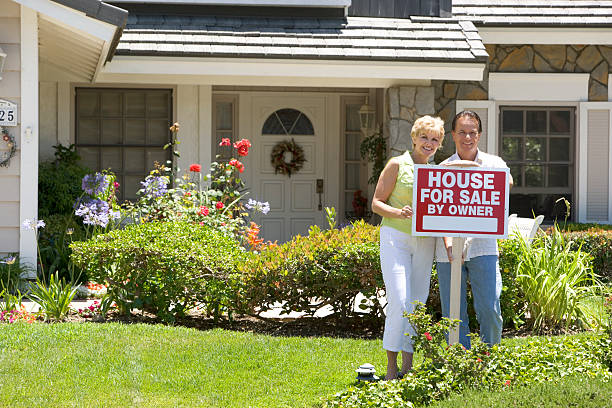
Sell My House UK - How to Sell Your Property Quickly and for the Best Price
Looking to sell your house in the UK? Discover how to value your property, find buyers, choose an estate agent, understand selling costs and complete your house sale successfully.
Selling your house is a significant financial decision, whether you are relocating, downsizing, dealing with an inherited property or releasing equity from an existing investment.
If you are searching for ways to sell your house quickly, it is important to understand the property market, establish a realistic asking price and choose an appropriate selling strategy.
In the UK, homeowners can sell through traditional estate agents, online estate agents or private property sales. Each approach has different costs, marketing arrangements and levels of support.
The key to selling successfully is pricing your property accurately, presenting it effectively and attracting buyers who are financially prepared to proceed.
Fraser Bond provides residential property sales, valuations, lettings and real estate consultancy services across London, helping homeowners and property investors make informed decisions about selling residential assets.
How Can I Sell My House in the UK?
There are several ways to sell a house in the UK.
The most common options include:
-
Using a traditional estate agent.
-
Appointing an online estate agent.
-
Selling privately without an estate agent.
-
Selling directly to a property investment company.
-
Selling through an auction.
-
Selling an inherited or tenanted property to an investor.
The most suitable option depends on your property, location, desired timescale and financial circumstances.
How Much Is My House Worth?
Before putting your property on the market, establish its current market value.
An accurate valuation helps you choose an appropriate asking price and avoid pricing the property too high or too low.
Factors affecting your property's value include:
-
Location and neighbourhood.
-
Number of bedrooms and bathrooms.
-
Internal floor area.
-
Property condition and presentation.
-
Garden, parking and outdoor space.
-
Transport connections.
-
Nearby schools and amenities.
-
Recent comparable property sales.
-
Current buyer demand.
You can obtain valuations from several estate agents and compare their recommendations.
For a more reliable assessment, consider recent completed sales of similar properties in your neighbourhood rather than relying entirely on advertised asking prices.
How Can I Sell My House Quickly?
If you want to sell your house quickly, preparation and pricing are particularly important.
Consider the following steps:
-
Obtain an accurate property valuation.
-
Set a competitive asking price.
-
Repair obvious defects.
-
Declutter and clean the property.
-
Arrange professional property photography.
-
Choose an estate agent with local market knowledge.
-
Make the property available for viewings.
-
Consider offers from financially proceedable buyers.
-
Instruct a conveyancing solicitor early.
-
Respond promptly to enquiries.
Selling quickly does not necessarily mean accepting the lowest offer.
A buyer with mortgage approval or readily available funds may offer greater certainty than someone whose purchase depends on selling another property.
Should I Use an Estate Agent to Sell My House?
Using an estate agent can make the selling process easier because they can manage marketing, arrange viewings, negotiate offers and communicate with prospective buyers.
There are three main options.
Traditional Estate Agent
Traditional agents usually charge a percentage of the final sale price.
They may provide property valuations, professional photography, online advertising, viewings and negotiation services.
Online Estate Agent
Online agents often offer fixed-fee packages.
Some provide more limited services, while others offer additional support with viewings and negotiations.
Selling Privately
You can sell your property without an estate agent.
However, you will need to manage advertising, enquiries, viewings and negotiations yourself.
Regardless of the marketing method, you will generally need a solicitor or conveyancer to handle the legal transfer.
What Documents Do I Need to Sell My House?
Preparing your paperwork early can help prevent delays once you find a buyer.
Common documents include:
-
Property title documents.
-
Energy Performance Certificate (EPC).
-
Property Information Form (TA6).
-
Fittings and Contents Form (TA10).
-
Leasehold information, where applicable.
-
Planning permission and building regulation certificates.
-
Guarantees and warranties.
-
Electrical installation certificates, where available.
-
Gas safety records, where relevant.
-
Details of boundaries and shared access.
-
Mortgage information.
Leasehold sellers may also need a leasehold information pack from their freeholder or managing agent.
The government recommends preparing relevant property information before marketing because missing documents can delay conveyancing.
Do I Need an EPC to Sell My House?
In most circumstances, yes.
An Energy Performance Certificate provides information about the property's energy efficiency and assigns it a rating from A to G.
A valid EPC is generally required when marketing a property for sale in England and Wales, unless an exemption applies.
EPCs normally remain valid for 10 years, provided no circumstances require a replacement certificate.
The property's energy rating should be included in relevant property advertisements.
How Much Does It Cost to Sell My House?
Selling costs vary according to the property value, estate agent agreement and complexity of the transaction.
Typical expenses include:
|
Selling expense |
What to consider |
|---|---|
|
Estate agent fees |
Percentage commission or fixed fee |
|
Conveyancing |
Solicitor or conveyancer charges |
|
EPC |
Cost if a valid certificate is unavailable |
|
Mortgage redemption |
Outstanding mortgage balance |
|
Early repayment charges |
May apply when leaving a mortgage early |
|
Leasehold management pack |
Applicable to many leasehold properties |
|
Removal costs |
Transporting belongings |
|
Repairs and improvements |
Optional or necessary work |
Request written quotations before appointing an estate agent or solicitor.
How Long Does It Take to Sell a House?
According to the UK government's selling guidance, selling a home takes approximately five months on average, although transactions can take longer when there is a property chain.
The timeframe depends on buyer demand, property pricing, mortgage arrangements and conveyancing.
|
Selling stage |
Indicative timeframe |
|---|---|
|
Property preparation |
1–3 weeks |
|
Marketing and viewings |
Several weeks or longer |
|
Receiving an offer |
Depends on buyer demand |
|
Conveyancing |
Often 8–16 weeks or longer |
|
Exchange and completion |
Agreed between the parties |
These are general estimates rather than guaranteed timescales.
What Happens When Someone Makes an Offer on My House?
When a prospective buyer makes an offer, you can accept, reject or negotiate.
Before accepting, consider:
-
The proposed purchase price.
-
Whether the buyer has a mortgage agreement in principle.
-
Whether the buyer has a deposit available.
-
Whether they need to sell another property.
-
Their preferred completion date.
-
Whether they have appointed a solicitor.
In England and Wales, an accepted offer is generally not legally binding until contracts are exchanged.
What Is the Difference Between Exchange and Completion?
These are two important stages of the property-selling process.
Exchange of contracts: Both parties enter into a legally binding agreement to complete the sale.
Completion: The buyer's solicitor transfers the purchase money, the mortgage and relevant secured debts are paid, and the buyer receives ownership.
Your solicitor will arrange the transfer of funds and deal with the legal documents required to complete the transaction.
Can I Sell My House if I Still Have a Mortgage?
Yes. You do not need to have fully repaid your mortgage before selling your property.
Your solicitor will usually obtain a mortgage redemption statement and arrange repayment from the sale proceeds.
For example:
|
Sale calculation |
Amount |
|---|---|
|
Agreed property sale price |
£350,000 |
|
Outstanding mortgage |
£180,000 |
|
Selling expenses |
£5,000 |
|
Illustrative remaining equity |
£165,000 |
This assumes there are no other secured debts or additional deductions.
Check whether your mortgage has an early repayment charge before proceeding.
Can I Sell My House if I Am in Negative Equity?
Yes, but it can be difficult.
Negative equity occurs when your outstanding mortgage exceeds your property's market value.
For example, if your house is worth £220,000 but your mortgage balance is £240,000, selling at market value would leave a £20,000 shortfall before selling costs.
You should contact your mortgage lender before marketing the property.
The lender may consider arrangements for covering the shortfall, but you should not assume it will automatically agree to a sale.
Do I Have to Pay Capital Gains Tax When Selling My House?
Many homeowners selling their main residence qualify for Private Residence Relief and therefore do not pay Capital Gains Tax.
However, tax may be payable when selling:
-
Buy-to-let properties.
-
Second homes.
-
Investment properties.
-
Certain inherited properties.
-
Properties used partly for business.
-
Homes that do not qualify for full Private Residence Relief.
Allowable purchase, sale and qualifying improvement costs may reduce the taxable gain.
Where Capital Gains Tax is due on a UK residential property disposal, reporting and payment are generally required within 60 days of completion.
Can I Sell My House Without Moving Out First?
Yes. You can normally market your property while continuing to live there.
You can arrange viewings around your schedule and move out once the transaction reaches completion.
However, you should keep the property presentable and make reasonable arrangements for prospective buyers to view it.
If you are selling a rented property, separate tenancy rules apply.
Can I Sell My House With Tenants Living in It?
Yes. Landlords can sell properties with tenants in occupation.
There are two main approaches:
Sell with tenants in place: This may appeal to investors looking for an existing rental property and continuing rental income.
Sell with vacant possession: The landlord seeks to sell the property without tenants occupying it, following the applicable tenancy and possession procedures.
Selling the property does not automatically terminate the tenancy.
Landlords should obtain legal advice before taking steps to end an existing tenancy.
Can I Sell My House if I Have Inherited It?
Yes, provided you have the appropriate legal authority to sell.
Where the deceased owned the property solely, the executor or administrator will generally need the appropriate grant of representation before completing the sale.
If the property is jointly owned, the ownership arrangements must be examined to establish what happens following death.
Inheritance tax, probate valuations and Capital Gains Tax may also be relevant.
Can I Sell My House During a Divorce?
Yes, but the situation can be more complicated where the property is jointly owned or subject to financial proceedings.
You may need your spouse's agreement or an appropriate court order before selling.
Before proceeding, obtain legal advice about ownership, mortgage responsibilities and the proposed division of sale proceeds.
Is It Better to Sell My House Through an Auction?
Selling through a property auction may be suitable when you want a defined sales process or are marketing a property that needs substantial work.
Potential advantages include:
-
A fixed auction timetable.
-
Exposure to property investors.
-
Competition between bidders.
-
A legally binding sale once the hammer falls, subject to the auction terms.
However, auction fees, reserve prices and completion deadlines should be considered carefully.
Auction sales are not guaranteed to achieve the highest possible market price.
How to Avoid Scams When Selling Your House
Property sales involve substantial financial transfers, making fraud prevention essential.
Take precautions such as:
-
Verifying the identity of your solicitor and estate agent.
-
Confirming bank details by telephone using a trusted number.
-
Never relying solely on emailed changes to payment instructions.
-
Keeping personal documents secure.
-
Checking that property information is accurate.
-
Using reputable conveyancing professionals.
Property transaction fraud can result in significant financial losses, so payment instructions should always be independently verified.
How Fraser Bond Can Help You Sell Your House
Fraser Bond provides residential property sales, valuations, lettings and property consultancy services across London.
Whether you are selling a family home, an apartment, an inherited property or a buy-to-let investment, understanding the local market is essential.
Fraser Bond can assist property owners with:
-
Residential property valuations.
-
Property marketing and sales.
-
Identifying suitable buyers.
-
Investment property disposals.
-
Rental property assessments.
-
Property management.
-
Advice on London market conditions.
Professional property guidance can help you understand your options and approach the selling process with greater confidence.
Ready to Sell Your House?
Selling your house requires careful preparation, realistic pricing and an understanding of the legal and financial obligations involved.
Whether you want to sell quickly, achieve the best possible market price or relea
There is probably a Fraser Bond team for it.
Lettings & management
Finding tenants, running tenancies, and holding the compliance paperwork so you never have to look for it.
Investment & portfolio
Buying well, holding sensibly, and knowing when a property has stopped earning its place.
Commercial property
Offices, retail and mixed use — acquisition, lettings, lease advice and building management.
Professional services
Valuation, lease consultancy, building consultancy and expert advice when a decision needs evidence behind it.
You are one message away from an answer.
Send it to us and get a straight answer.
Describe the property and the problem. We will tell you what we would do, what it should cost, and if we are not the right people, who is.
- Replies the same working day
- The person who answers is the person who handles it
- No fee, and no obligation to instruct us
See everything we are instructed on.
Sales and lettings across Prime Central London and the wider UK, with the same team behind every listing.
- Residential and commercial in one search
- Filter by borough, budget and size
- Register once and we will send matches first
Other insights you may find useful.
 Property & Real Estate Services
How to Get the Best Price for Your House in London – Expert Tips
Read → Residential Property Services in London
Tips for Buying a Home at the Best Price
Read → Property & Real Estate Services
Fast Property Sales in London – How to Sell Your House Quickly
Read → Property & Real Estate Services
Sell Probate House Quickly UK - London Urgent Sale Experts
Read → Residential Property Services in London
Properties to Rent in Price Jamieson House - London W1D
Read → Residential Property Services in London