


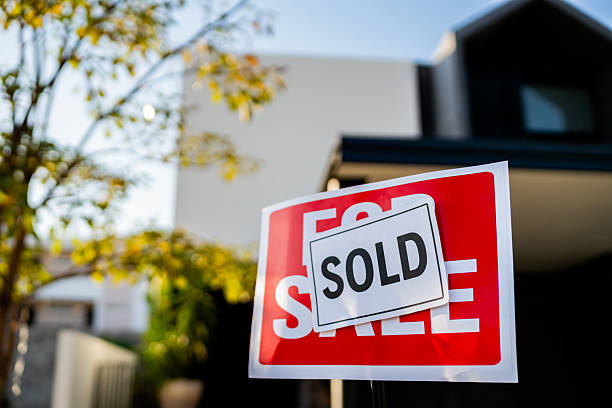
Selling a House in the UK - Complete Guide to Costs, Process and Property Valuation
Everything homeowners need to know about selling a house in the UK, from property valuations and estate agent fees to conveyancing, legal requirements, marketing and completing a successful sale.
Selling a house is one of the most significant financial transactions a homeowner can undertake. Whether you are selling your first property, relocating, downsizing, managing an inherited home or disposing of an investment property, understanding the UK house-selling process is essential.
The process involves determining your property's market value, preparing it for sale, appointing an estate agent, finding a buyer, negotiating offers and completing the legal transfer of ownership.
In England and Wales, selling a house commonly takes several months, although the timeframe varies according to market conditions, mortgage arrangements, property chains and conveyancing requirements.
Fraser Bond provides residential property sales, valuations, lettings and real estate consultancy services across London. For homeowners considering selling a property in London or elsewhere in the UK, professional market guidance can help establish an appropriate asking price, attract qualified buyers and manage the transaction effectively.
How to Sell a House in the UK
The process of selling a house in England and Wales typically involves the following stages:
-
Establish your property's current market value.
-
Review your mortgage balance and selling costs.
-
Choose an estate agent and agree on a marketing strategy.
-
Prepare the property for viewings.
-
Obtain an Energy Performance Certificate where required.
-
Advertise the property and arrange viewings.
-
Receive and negotiate offers.
-
Appoint a conveyancing solicitor.
-
Complete the necessary property information forms.
-
Exchange contracts.
-
Complete the sale and transfer ownership.
Although the process is relatively straightforward in principle, delays can arise from legal enquiries, surveys, mortgage approvals and complications involving other properties in a chain.
How Much Is My House Worth?
Determining your property's market value is one of the most important steps when selling a house.
An accurate valuation helps establish a competitive asking price and reduces the risk of the property remaining on the market for an extended period.
Factors influencing house prices include:
-
Location and neighbourhood desirability.
-
Property size and internal floor area.
-
Number of bedrooms and bathrooms.
-
Structural condition and maintenance.
-
Energy efficiency.
-
Transport connections and local amenities.
-
Comparable recently sold properties.
-
Current buyer demand.
-
Local housing supply and mortgage affordability.
In London, property values can differ significantly between boroughs, streets and individual developments.
A professional estate agent valuation should consider recent comparable sales rather than relying exclusively on advertised asking prices.
How Much Does It Cost to Sell a House in the UK?
Selling a house involves several expenses, including estate agent commission, conveyancing fees, mortgage-related charges and removal costs.
The amount varies depending on the property's value, location and complexity of the transaction.
|
Selling expense |
Illustrative cost |
|---|---|
|
Estate agent commission |
Approximately 1%–3% including VAT |
|
Conveyancing solicitor |
Approximately £800–£2,000 or more |
|
Energy Performance Certificate |
Approximately £60–£120 |
|
Removal services |
Approximately £300–£1,500 or more |
|
Mortgage early repayment charge |
Depends on mortgage agreement |
|
Repairs and presentation |
Depends on property condition |
|
Leasehold management pack |
Varies by freeholder or managing agent |
These are indicative budgeting figures, not fixed national charges.
Example: Selling a House for £400,000
ILLUSTRATIVE SELLING COSTS
£7,200
Estimated costs excluding mortgage redemption, tax and early repayment charges
Estate agent fee (1.5%)
£6,000
Conveyancing
£1,100
EPC
£100
The net proceeds from the sale also depend on the outstanding mortgage balance and any secured debts.
How to Choose an Estate Agent When Selling a House
Choosing the right estate agent can influence the sale price, marketing exposure and overall selling experience.
Homeowners should consider the agent's local market knowledge, comparable sales, marketing strategy and fee structure.
A professional estate agent should provide a realistic valuation supported by market evidence.
When comparing agents, ask about commission, contract duration, sole agency terms, marketing costs and whether additional charges apply if the property does not sell.
In London, specialist local knowledge can be particularly valuable because buyer demand and property pricing vary significantly between neighbourhoods.
How to Prepare Your House for Sale
Preparing a property before marketing can improve its presentation and make it more attractive to prospective buyers.
Improve Kerb Appeal
The exterior of your property creates the first impression.
Maintain the front garden, clean windows, repair visible defects and ensure the entrance looks presentable.
Declutter and Clean
A clean and organised home can help buyers appreciate the available space.
Remove unnecessary belongings, organise storage areas and ensure kitchens and bathrooms are presented well.
Complete Essential Repairs
Repair leaking taps, damaged fittings, broken handles and other visible maintenance issues.
Significant structural defects should be assessed appropriately rather than concealed.
Consider Professional Photography
High-quality property photography can improve the effectiveness of online marketing.
Clear photographs should accurately represent the property's layout, condition and principal features.
What Documents Do You Need to Sell a House?
Sellers should prepare the relevant property documentation as early as possible.
Common documents include:
-
Proof of identity and address.
-
Property title documents.
-
Energy Performance Certificate.
-
Planning permissions.
-
Building regulations certificates.
-
Relevant guarantees and warranties.
-
FENSA or equivalent window installation certificates.
-
Mortgage account information.
-
Property information forms.
-
Leasehold documents, where applicable.
Your conveyancer will explain which documents are necessary for your particular transaction.
Do You Need an Energy Performance Certificate to Sell a House?
In most circumstances, an Energy Performance Certificate (EPC) is required when marketing a residential property for sale in England and Wales.
An EPC provides information about the property's energy efficiency and an energy rating from A to G.
Certificates are generally valid for 10 years.
Certain properties may qualify for exemptions, so sellers should check the applicable requirements before marketing.
How Long Does It Take to Sell a House?
The time required to sell a house depends on the local market, buyer circumstances and conveyancing process.
A typical transaction may take several months from the initial marketing stage to completion.
|
Stage |
Indicative timeframe |
|---|---|
|
Valuation and preparation |
1–3 weeks |
|
Marketing and viewings |
Several weeks or longer |
|
Offer negotiation |
Several days to weeks |
|
Conveyancing and buyer checks |
8–16 weeks or longer |
|
Exchange to completion |
Often 1–4 weeks |
These stages can overlap, and some transactions take considerably longer.
Property chains, survey findings and delays in mortgage approval are common causes of extended timescales.
What Happens After You Accept an Offer?
Once you accept an offer, the property is usually described as sold subject to contract.
In England and Wales, accepting an offer does not normally create a legally binding agreement to sell.
The buyer may arrange a mortgage valuation and property survey, while solicitors undertake the conveyancing process.
Your conveyancer prepares the contract, responds to enquiries and obtains the information necessary to transfer ownership.
The transaction becomes legally binding when contracts are exchanged.
What Is the Difference Between Exchange and Completion?
Exchange of contracts is the stage when the buyer and seller become legally committed to the transaction.
Completion is the stage when the purchase funds are transferred, ownership passes to the buyer and the seller hands over possession.
In England and Wales, exchange and completion may take place on separate dates or, in some cases, on the same day.
Can You Sell a House With a Mortgage?
Yes. You can sell a property even if you have an outstanding mortgage.
Your solicitor will normally arrange for the mortgage to be repaid from the sale proceeds on completion.
Before selling, request a mortgage redemption statement from your lender.
Check whether early repayment charges apply.
If you are purchasing another property, you may be able to transfer your existing mortgage product, subject to lender approval.
Can You Sell a House in Negative Equity?
Negative equity occurs when the outstanding mortgage balance exceeds the property's market value.
For example, if you owe £280,000 but your property is worth £260,000, there is a £20,000 shortfall before selling expenses.
Selling in these circumstances usually requires an arrangement to cover the outstanding debt.
You should contact your mortgage lender before proceeding.
Do You Pay Tax When Selling a House?
Many homeowners do not pay Capital Gains Tax when selling their main residence because they qualify for Private Residence Relief.
Full relief generally applies where the property has been your only or main home throughout ownership and the other qualifying conditions are satisfied.
However, Capital Gains Tax may arise when selling:
-
Buy-to-let properties.
-
Second homes.
-
Investment properties.
-
Certain inherited properties.
-
Homes that have not qualified for full Private Residence Relief.
Where Capital Gains Tax is due on a UK residential property disposal, reporting and payment are generally required within 60 days of completion.
Sellers should obtain appropriate tax advice where their circumstances are complicated.
Selling a House Before Buying Another
Selling before buying another property can provide greater certainty about your available funds.
It may also make you more attractive to sellers because you are not dependent on selling an existing property.
However, you may need temporary accommodation if you cannot complete your next purchase immediately.
Selling a House and Buying Another at the Same Time
Many homeowners sell and buy simultaneously through a property chain.
This can reduce the need for temporary accommodation but introduces additional dependencies.
If one transaction is delayed, several connected purchases may be affected.
Clear communication between estate agents, conveyancers and mortgage lenders is important.
Can You Sell a House Without an Estate Agent?
Yes. Homeowners can sell privately without appointing an estate agent.
This may reduce commission costs, but the seller must manage marketing, viewings, enquiries and negotiations.
You will still generally need professional conveyancing assistance to complete the legal transfer safely.
Private sellers should also ensure that marketing information is accurate and that relevant legal requirements are satisfied.
Selling a House That Is Currently Rented Out
Landlords can sell a property with tenants in occupation.
The property may be marketed to another investor with the tenancy continuing, or the landlord may seek vacant possession through a lawful process.
Selling does not automatically terminate an existing tenancy.
Landlords must comply with applicable tenancy legislation and possession procedures.
A tenanted property sale may also have Capital Gains Tax implications.
Selling a Leasehold Property
Selling a leasehold flat can involve additional documentation and legal enquiries.
Buyers may request information about:
-
Remaining lease term.
-
Ground rent.
-
Service charges.
-
Buildings insurance.
-
Planned major works.
-
Management arrangements.
-
Building safety matters.
-
Restrictions on alterations or subletting.
Delays can arise if the freeholder or managing agent takes time to provide the required information.
For London apartment owners, preparing the leasehold management information early can help the transaction progress more efficiently.
Selling a House After Divorce or Separation
Where a property is jointly owned, the sale may require agreement between the owners or an appropriate court order.
The proceeds may need to be distributed according to ownership rights and any relevant financial settlement.
A mortgage lender's consent and the interests of other parties may also need to be considered.
Anyone selling a property during divorce or separation should obtain independent legal advice.
Selling an Inherited House
Selling an inherited property may involve probate, estate administration and tax considerations.
The personal representatives generally need the appropriate legal authority before transferring the property.
If the property increases in value after the relevant inheritance valuation date, Capital Gains Tax may arise on a subsequent disposal.
The position depends on the ownership arrangements and estate circumstances.
Is It Better to Sell a House or Rent It Out?
Homeowners considering whether to sell or retain a property as a rental investment should assess their financial objectives.
Selling may release equity, eliminate ongoing maintenance responsibilities and provide funds for another purchase.
Renting out the property may generate income and preserve exposure to future capital appreciation.
However, landlords face maintenance costs, taxation, regulatory obligations, potential void periods and changing market conditions.
A professional property assessment can help compare the available options.
Selling a House in London
London's residential property market includes prime central London homes, suburban family houses, period conversions, leasehold apartments and new-build developments.
The appropriate selling strategy depends on property type, location, buyer demand and pricing.
For example, a family house in Richmond may attract a different buyer demographic from a luxury apartment in Mayfair or an investment flat in Canary Wharf.
Local knowledge and targeted marketing can therefore be important when selling London property.
Common Mistakes to Avoid When Selling a House
Several mistakes can delay a sale or reduce its chances of success.
These include setting an unrealistic asking price, failing to prepare essential documents, overlooking maintenance issues and choosing an estate agent based solely on the highest valuation.
Sellers should also avoid providing inaccurate property information, ignoring mortgage redemption charges or failing to understand the implications of a property chain.
There is probably a Fraser Bond team for it.
Lettings & management
Finding tenants, running tenancies, and holding the compliance paperwork so you never have to look for it.
Investment & portfolio
Buying well, holding sensibly, and knowing when a property has stopped earning its place.
Commercial property
Offices, retail and mixed use — acquisition, lettings, lease advice and building management.
Professional services
Valuation, lease consultancy, building consultancy and expert advice when a decision needs evidence behind it.
You are one message away from an answer.
Send it to us and get a straight answer.
Describe the property and the problem. We will tell you what we would do, what it should cost, and if we are not the right people, who is.
- Replies the same working day
- The person who answers is the person who handles it
- No fee, and no obligation to instruct us
See everything we are instructed on.
Sales and lettings across Prime Central London and the wider UK, with the same team behind every listing.
- Residential and commercial in one search
- Filter by borough, budget and size
- Register once and we will send matches first
Other insights you may find useful.
 Property Legal, Risk & Compliance
Assign Property Contract UK - Process and Costs
Read → Property Legal, Risk & Compliance
Assign Off Plan Apartment UK - Process and Costs
Read → Property & Real Estate Services
Probate Property Process London - Selling and Managing Inherited Homes
Read → Residential Property Services in London
Selling a House With High Maintenance Costs
Read → Property & Real Estate Services
Selling Deceased Estate Property UK - London Valuation Experts
Read → Property & Real Estate Services