Specialist Care Property UK - How to Find and Assess Opportunities
Explore specialist care property UK opportunities, including purpose-built care facilities, supported accommodation, children's care properties and former care homes, with practical guidance on planning, CQC, acquisition, leasing and refurbishment from Fraser Bond.
Specialist care property can provide accommodation designed or adapted for people who require particular levels of care, support or supervision.
The sector includes specialist care homes, supported living properties, children's care facilities, accommodation for people with disabilities, mental health-related housing, rehabilitation facilities and other purpose-designed or adapted premises.
For property investors, landlords and operators, these buildings can represent a specialist part of the UK property market. However, the requirements are different from those of ordinary residential or commercial property.
The building needs to be suitable for its intended residents, while planning, accessibility, fire safety, property condition, regulatory requirements and the operating model all need to be considered.
Fraser Bond can support investors, landlords, developers and operators with property acquisition, investment advisory, development consultancy, refurbishment, building works, property management and contractor coordination.
What Is Specialist Care Property?
Specialist care property refers to buildings designed, adapted or used to accommodate people with specific care or support requirements.
Depending on the model, this can include:
-
Specialist care homes
-
Nursing homes
-
Children's care homes
-
Supported living properties
-
Specialist supported housing
-
Mental health accommodation
-
Learning disability accommodation
-
Autism-focused accommodation
-
Rehabilitation facilities
-
Extra care housing
-
Residential care facilities
-
Specialist healthcare premises
-
Former care homes suitable for conversion
Government guidance describes specialist and supported housing as accommodation designed or designated for particular groups, including older people, disabled people and people with transitional support needs. Some schemes provide accommodation alongside care, support or supervision.
The precise classification of a property matters because different models can have different planning, housing and regulatory requirements.
Specialist Care Property for Sale
Specialist care property for sale can range from fully operational facilities to vacant buildings requiring refurbishment.
Potential opportunities include:
-
Operating care homes
-
Former care homes
-
Purpose-built specialist facilities
-
Supported living schemes
-
Children's care properties
-
Nursing facilities
-
Vacant institutional buildings
-
Healthcare premises
-
Development sites
-
Properties requiring conversion
Before purchasing, establish exactly what is being sold.
The transaction may involve the freehold property alone, a leasehold interest, an operating care business or a combination of property and business assets.
These structures can have very different investment and legal implications.
Specialist Care Property to Rent
Operators may choose to rent specialist care premises rather than acquire the freehold.
A suitable property may already contain:
-
En-suite bedrooms
-
Accessible bathrooms
-
Communal areas
-
Staff facilities
-
Kitchen facilities
-
Treatment areas
-
Fire-safety systems
-
Lifts
-
Parking
-
Accessible entrances
-
Outdoor space
The lease should be reviewed carefully before commitment.
Important terms include:
-
Rent
-
Lease length
-
Rent reviews
-
Break clauses
-
Repairing obligations
-
Service charges
-
Insurance
-
Permitted use
-
Alteration rights
-
Assignment
-
Subletting
-
Dilapidations
The operator should also confirm that the lease permits the exact care or support service proposed.
Specialist Care Property Investment
Specialist care property can attract investors looking for property income or development opportunities.
Potential strategies include:
-
Buying an occupied care facility
-
Acquiring a property and leasing it to an operator
-
Purchasing a vacant former care home
-
Refurbishing an existing facility
-
Developing specialist supported housing
-
Converting a suitable building
-
Developing purpose-built care accommodation
For investment purposes, the property should be assessed alongside the operator and lease.
A strong-looking property may still present significant risk if it has a weak tenant, short lease, high repair liability or limited alternative use.
Specialist Supported Housing
Specialist supported housing can occupy an important position between ordinary housing and more intensive care environments.
It can provide accommodation for people who require additional support to live independently.
Current government programmes recognise specialist and supported housing for groups including older people, working-age disabled people and people with transitional support needs. Eligible models include extra care, accessible or adapted housing, retirement living, supported living and accommodation-based supported housing.
This creates several potential property models for developers and investors.
However, the housing arrangement, care provision, commissioning structure and regulatory requirements need to be understood before acquiring or developing a property.
Specialist Care Homes
Specialist care homes can accommodate residents with particular care requirements.
The building may need to provide:
-
Accessible bedrooms
-
En-suite bathrooms
-
Communal spaces
-
Staff areas
-
Medication storage
-
Kitchen facilities
-
Secure outdoor areas where appropriate
-
Fire safety systems
-
Accessibility features
-
Hoist-compatible spaces
-
Appropriate circulation areas
The design should reflect the intended residents rather than simply adapting a conventional residential building.
Children's Specialist Care Property
Children's care properties have their own operational requirements.
A property may be used for residential care for children with particular needs, subject to the applicable regulatory and planning framework.
Before purchasing or leasing such premises, investors and operators should establish:
-
Intended age range
-
Number of residents
-
Staffing requirements
-
Bedroom requirements
-
Communal areas
-
Safeguarding requirements
-
Planning use
-
Local authority considerations
-
Regulatory requirements
-
Property condition
-
Neighbourhood suitability
The building should be assessed according to the proposed care model rather than simply its bedroom count.
CQC and Specialist Care Property
In England, CQC requirements depend on the regulated activities being provided.
CQC states that providers intending to provide regulated health or adult social care activities may need to register, and carrying on a regulated activity without registration is an offence.
CQC also identifies care homes where people receive personal or nursing care as locations that need to be included within the relevant registration arrangements.
For investors, this means property ownership and care-provider registration should be treated as separate issues.
Before purchasing an existing specialist care facility, investigate:
-
Current provider
-
Registered activities
-
Registered location
-
Number of beds or places
-
Existing regulatory arrangements
-
Proposed future service
-
Property suitability
-
Planning position
A property investor should obtain appropriate specialist advice before relying on an existing operator's registration.
Planning for Specialist Care Property
Planning is an important part of specialist care property acquisition and development.
The existing use of a building should be checked against the proposed service.
For care homes, CQC's current registration guidance states that planning permission can be required as supporting evidence and should show the authorised use, such as C2 residential care, together with relevant conditions or restrictions.
Investors should investigate:
-
Existing planning use
-
Planning history
-
Previous applications
-
Conditions
-
Enforcement notices
-
Proposed use
-
Change-of-use requirements
-
Development potential
-
Parking
-
Access
-
Local planning policies
-
Listed-building restrictions
-
Conservation requirements
Never assume that a former care home can automatically be reopened, expanded or converted into another type of specialist care facility.
Location Matters for Specialist Care Property
Location can affect both operational suitability and long-term property demand.
Consider:
-
Local population
-
Demographics
-
Existing specialist housing
-
Local care demand
-
Transport links
-
Access to hospitals
-
Access to GP services
-
Local amenities
-
Parking
-
Staff accessibility
-
Neighbourhood character
The appropriate location depends on the type of specialist care.
For example, accommodation for older residents may have different requirements from specialist supported housing for working-age adults.
Government guidance on local supported housing strategies requires councils in England to understand local supply, unmet need and future demand for supported housing.
This makes local market and commissioning research particularly relevant when assessing specialist supported housing opportunities.
Specialist Care Property Investment and Lease Structures
Some specialist care and supported-housing investments operate through long-term lease arrangements.
A freeholder may lease a property to an operator or registered provider, with the occupier then providing accommodation and, depending on the model, care or support.
The Regulator of Social Housing has highlighted lease-based specialised supported housing as a specific model in which freeholders can provide accommodation to registered providers through long-term leases.
Investors considering such arrangements should examine:
-
Tenant or provider strength
-
Lease length
-
Rent
-
Rent review mechanism
-
Repairing obligations
-
Insurance
-
Assignment provisions
-
Break clauses
-
Guarantees
-
Property condition
-
Funding arrangements
A long lease should not be assessed independently of the covenant behind it.
Assess the Operator Before Investing
For an occupied specialist care property, the operator can be critical to the investment.
Review:
-
Financial accounts
-
Occupancy
-
Revenue
-
Staffing
-
Management experience
-
Regulatory history
-
Lease obligations
-
Funding sources
-
Local authority relationships
-
Business model
-
Expansion plans
If the operator struggles financially, the property owner may face rent arrears, vacancy or reletting costs.
The strength of the underlying property should therefore be considered alongside the strength of the occupier.
Specialist Care Property Refurbishment
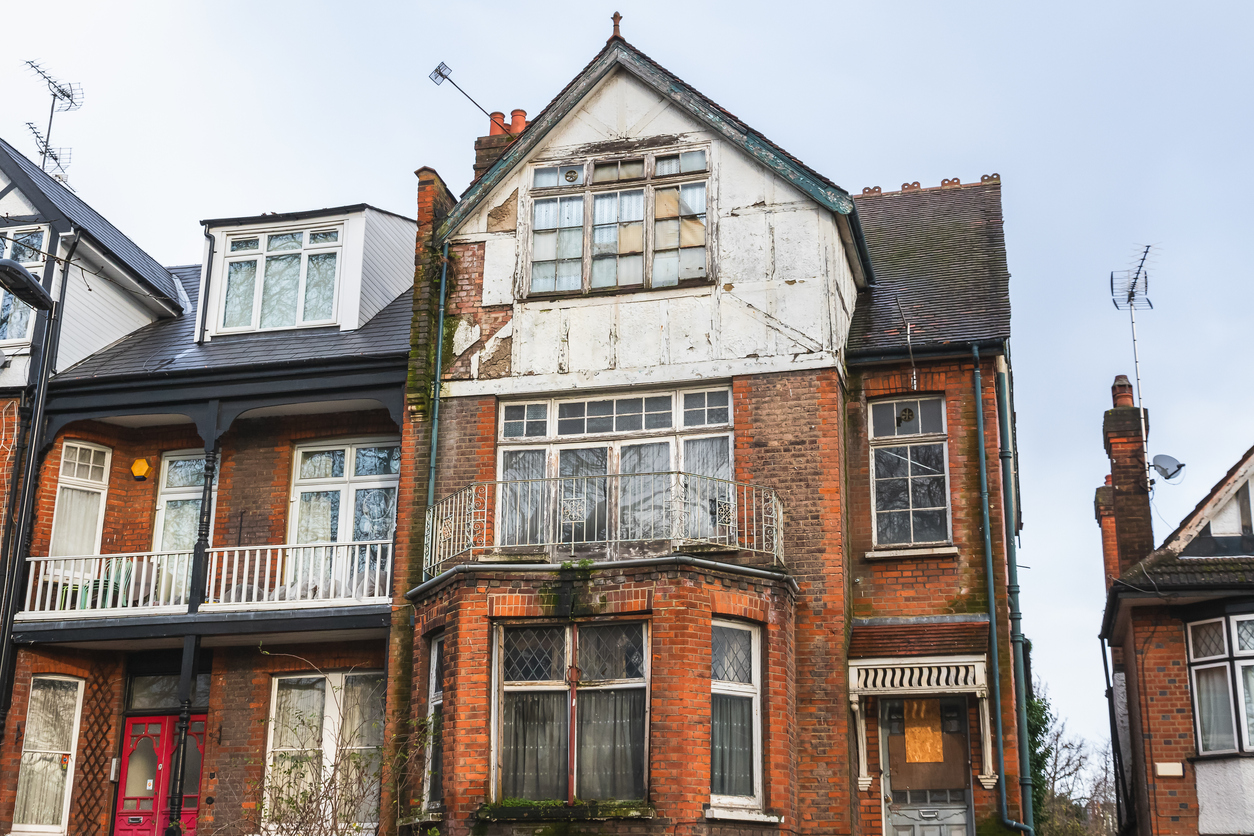
Former care facilities can provide refurbishment opportunities where the underlying building has useful characteristics.
Potential works may include:
-
Bedroom refurbishment
-
Bathroom upgrades
-
Accessibility improvements
-
Fire-safety works
-
Electrical upgrades
-
Heating replacement
-
Plumbing
-
Ventilation
-
Kitchen refurbishment
-
Flooring
-
Internal reconfiguration
-
Roof repairs
-
External improvements
-
Energy-efficiency upgrades
Fraser Bond can assist with refurbishment planning, building works, contractor coordination, repairs and property maintenance.
Before purchasing, investors should obtain realistic contractor quotations and allow for contingency.
Converting Existing Property Into Specialist Care Accommodation
Potential conversion opportunities can include:
-
Former care homes
-
Large residential properties
-
Former healthcare facilities
-
Institutional buildings
-
Former schools
-
Community buildings
-
Vacant commercial premises
The feasibility of conversion depends on the proposed use and building characteristics.
Consider:
-
Planning
-
Building regulations
-
Fire safety
-
Accessibility
-
Bedroom sizes
-
Bathroom provision
-
Circulation
-
Natural light
-
Ventilation
-
Staff facilities
-
Parking
-
Outdoor space
-
Security
-
Energy performance
The cost of converting a conventional building can be considerably higher than an ordinary residential refurbishment.
Specialist Care Property Development
New-build specialist care property can provide an opportunity to design the building around the intended residents from the beginning.
Development opportunities can include:
-
Specialist care homes
-
Supported living schemes
-
Extra care developments
-
Children's care facilities
-
Accessible housing
-
Specialist accommodation
-
Rehabilitation facilities
Government funding programmes currently recognise specialist and supported housing as part of the supply needed for older, disabled and vulnerable people. The Social and Affordable Homes Programme 2026 to 2036 supports qualifying specialist and supported housing schemes, including purpose-designed supported living and extra care.
For private developers, this does not guarantee funding or demand for an individual project. Local need, planning, commissioning and financial viability still need to be assessed.
Specialist Care Property Valuation
Valuing specialist care property can require more than comparing it with ordinary residential property.
Consider:
-
Location
-
Floor area
-
Number of bedrooms
-
Property condition
-
Planning use
-
Lease terms
-
Tenant covenant
-
Existing income
-
Specialist facilities
-
Parking
-
Accessibility
-
Alternative-use potential
-
Development potential
-
Refurbishment requirements
Where a business is being sold with the property, the property value and business value should be considered separately.
Investors should obtain an appropriate professional valuation where necessary.
Specialist Care Property Due Diligence
Before committing to an acquisition, investigate the property from several perspectives.
Property Due Diligence
Check:
-
Structure
-
Roof
-
Heating
-
Electrical systems
-
Plumbing
-
Fire safety
-
Accessibility
-
Damp
-
Asbestos
-
Energy performance
-
Lift systems
-
External areas
Planning Due Diligence
Check:
-
Existing use
-
Planning history
-
Conditions
-
Enforcement
-
Proposed use
-
Development restrictions
-
Alternative-use potential
Regulatory Due Diligence
Check:
-
CQC requirements
-
Existing provider
-
Registered activities
-
Registered location
-
Number of beds
-
Proposed future service
Financial Due Diligence
Check:
-
Purchase price
-
Rent
-
Operating costs
-
Refurbishment
-
Finance
-
Professional fees
-
Insurance
-
Maintenance
-
Expected income
-
Exit value
This provides a more complete picture than relying on the property's asking price.
Specialist Care Property Risks
Specialist c