Supported Accommodation Investment - UK Property Opportunities, Planning and Long-Term Property Strategies
Supported accommodation investment can provide property owners and investors with an opportunity to participate in a specialist part of the UK housing market while owning or developing accommodation designed around specific support needs. However, it is not simply a case of buying a property, finding an operator and expecting a reliable rental income. The property, lease structure, operator, planning position and intended resident group all need to work together.
Supported accommodation can cover a range of models, including accommodation for people transitioning from homelessness, people with disabilities, older people and others who require support to live more independently. Government guidance describes supported housing as accommodation where residents receive care, support and/or supervision to help them live independently in the community.
For investors considering this sector, understanding the property fundamentals is just as important as understanding the social care or housing model.
What is supported accommodation investment?
Supported accommodation investment involves acquiring, developing, adapting or leasing a property for use as supported housing.
Depending on the model, the property may be occupied by a specialist housing provider, supported accommodation operator, registered provider or another organisation responsible for arranging housing and support.
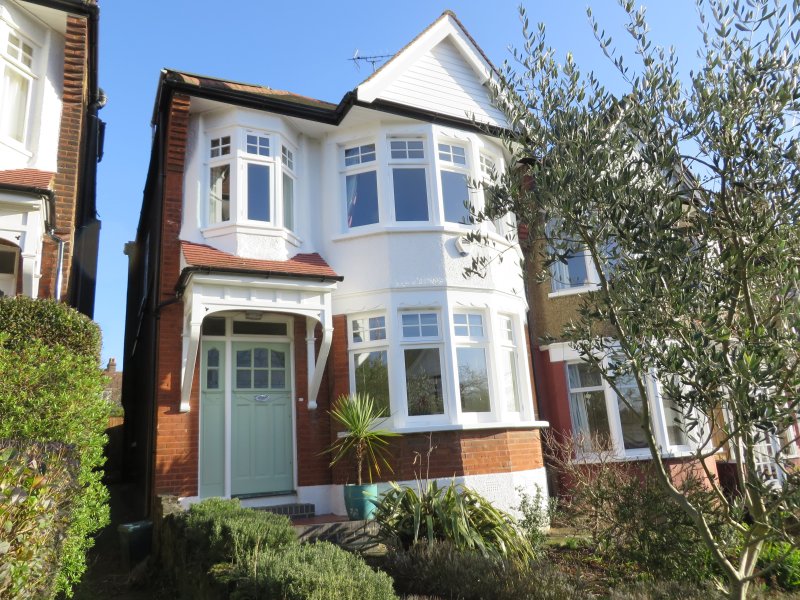
The accommodation itself could be a converted house, purpose-designed development, block of flats or another suitable residential property.
The key distinction is that the investment is ultimately based on the property and the contractual arrangement surrounding its use. The investor is not automatically becoming a care or support provider simply because the property is used for supported accommodation.
This makes the structure of the investment particularly important.
Why investors consider supported accommodation
Supported accommodation forms part of the wider specialist housing market. Current government policy recognises the importance of increasing suitable supported and specialist housing, while local authorities are required to develop strategies that consider local supply, unmet need and future demand.
For a property investor, this can create opportunities around:
-
Acquiring existing residential property
-
Converting suitable buildings
-
Refurbishing underused properties
-
Developing purpose-designed accommodation
-
Leasing property to specialist operators
-
Working with housing providers
-
Providing accommodation for particular support needs
The investment case will vary considerably depending on the location, property type, tenant or operator and lease structure.
Rather than assuming that supported accommodation automatically produces better returns than conventional residential property, investors should assess the individual opportunity on its own financial and operational merits.
What properties can be suitable?
There is no single property type that works for every supported accommodation model.
A potential property might include:
-
Houses with several bedrooms
-
Flats and apartment blocks
-
Former residential or institutional buildings
-
Vacant or underused properties
-
Purpose-built specialist accommodation
-
Properties requiring accessibility adaptations
-
Buildings suitable for conversion subject to planning
The suitability of a property depends heavily on who will occupy it and what support arrangements are intended.
For example, a property being considered for supported accommodation for adults with additional support needs may have very different requirements from accommodation intended for people transitioning from homelessness.
The location also matters. Current national planning guidance highlights the importance of specialist community-based accommodation being supported by appropriate management arrangements and located where residents can access frequently used services safely and easily.
Planning permission and supported accommodation
Planning is one of the most important areas to investigate before committing to a supported accommodation investment.
The intended use of a property can affect its planning position, and the exact classification depends on how the accommodation will operate rather than simply what an investor calls it.
Planning considerations can include:
-
Existing use of the property
-
Proposed use
-
Number of residents
-
Level of support provided
-
Management arrangements
-
Physical alterations
-
Local planning policies
-
Parking and accessibility
-
Neighbouring properties
-
Whether a material change of use is proposed
Investors should therefore establish the planning position before purchasing or carrying out major works.
A property that looks suitable on an initial inspection may not automatically be suitable for the intended supported accommodation model.
Supported accommodation investment and refurbishment
Refurbishment can be an important part of a supported accommodation investment strategy.
An investor might purchase an older property and improve:
-
Bedrooms
-
Bathrooms
-
Kitchens
-
Communal areas
-
Heating
-
Electrical systems
-
Fire safety measures
-
Accessibility
-
Security
-
Energy efficiency
-
External areas
However, major refurbishment should not necessarily begin before understanding what an eventual operator requires.
For example, an investor refurbishing a property in North London may initially plan six individual bedrooms and a large communal kitchen. A prospective operator may have different requirements based on its resident group, staffing arrangements and operational model.
Understanding the intended use first can reduce the risk of spending money on improvements that do not support the eventual operating model.
Government guidance also identifies both purpose-designed and designated supported accommodation, with specialist housing potentially involving new-build properties or major adaptations to existing buildings.
Leasing a property to a supported accommodation operator
One investment strategy is to own the property and lease it to an organisation that uses it for supported accommodation.
This can provide a different management structure from a conventional buy-to-let arrangement.
However, investors should carry out proper due diligence on the proposed tenant or operator.
Important questions include:
-
How long has the organisation been operating?
-
What properties does it currently manage?
-
What resident groups does it work with?
-
What is its financial position?
-
What support services does it provide?
-
Does it hold the registrations or approvals relevant to its activities?
-
Who will manage the property?
-
Who is responsible for repairs?
-
Who pays for refurbishment?
-
What insurance is required?
-
What happens if the operator leaves?
-
Can the lease be assigned or transferred?
-
What happens at the end of the lease?
The strength of the operator and the terms of the lease can be just as important as the property itself.
Due diligence for supported accommodation investors
Supported accommodation investment should be approached as a specialist property transaction rather than an ordinary residential purchase.
Before proceeding, investors should investigate:
Property condition
A building survey can identify structural problems, damp, roofing issues, electrical concerns, plumbing problems and other defects.
Planning
Confirm the existing lawful use and investigate whether the proposed supported accommodation model requires planning permission or another approval.
Building regulations
Where substantial alterations or changes of use are proposed, building regulations requirements should be considered separately from planning.
Operator
Review the proposed operator's experience, finances, management structure, references and existing portfolio.
Lease
Examine rent, term, reviews, repairs, insurance, alterations, assignment, break provisions and reinstatement obligations.
Resident model
Understand who the accommodation is intended for and what support or supervision arrangements will operate from the property.
Local market
Consider local authority strategies, existing supported accommodation provision, transport, access to services and the characteristics of the surrounding area.
Current government guidance specifically encourages local authorities to assess supported housing supply and demand and consider how future provision should respond to local needs.
Understanding the income structure
Investors should be cautious about treating supported accommodation as a guaranteed-income strategy.
Income depends on the contractual structure and the parties involved.
A property may be leased directly to an organisation, managed through a housing provider or operated through another specialist arrangement. The source of rent, responsibility for vacancies, maintenance obligations and payment structure should all be understood before investment.
Housing Benefit can contribute towards housing costs for eligible residents in supported housing, subject to the relevant rules and eligibility requirements. It should not, however, be treated as an automatic guarantee of a property's rental income.
Investors should therefore model realistic costs, including:
-
Mortgage or finance costs
-
Refurbishment
-
Repairs
-
Insurance
-
Compliance
-
Management
-
Voids
-
Professional fees
-
Legal costs
-
Future capital expenditure
Supported accommodation investment in London
London can present a range of specialist property opportunities, particularly where investors can identify suitable buildings in locations with access to transport, healthcare, shops and other essential services.
A property in West London, for example, might initially appear more attractive as a conventional rental investment. But if its layout, location and planning position make it suitable for a specialist housing model, there may be alternative strategies worth investigating.
Equally, a property in South or North London may require significant adaptation before it becomes suitable.
This is why investors should assess the property, planning position and operating model together rather than considering the building in isolation.
Risks of supported accommodation investment
Like any specialist property strategy, supported accommodation investment carries risks.
These can include:
-
Planning restrictions
-
Unsuitable property layouts
-
Refurbishment overruns
-
Operator financial difficulties
-
Lease disputes
-
Regulatory changes
-
Higher maintenance requirements
-
Difficulties replacing an operator
-
Local opposition
-
Changes in funding arrangements
-
Longer periods between operators
The specialised nature of the property can also affect resale. A building adapted heavily for a particular supported accommodation model may have a narrower pool of potential buyers than a standard residential property.
Investors should therefore consider the exit strategy before purchasing.
How Fraser Bond can support a supported accommodation investment
Fraser Bond can help investors assess supported accommodation property opportunities from both the property and commercial perspective.
Our support can include property assessment, acquisition advice, refurbishment and building works coordination, property management, operator introductions and assistance with negotiating appropriate commercial arrangements.
For an investor considering a property for supported accommodation, the process should begin with understanding the building, its planning position, its location and the intended operating model.
From there, the investment can be assessed against refurbishment requirements, operator suitability, lease structure and long-term property strategy.
Conclusion
Supported accommodation investment can form part of a specialist UK property portfolio, but it requires careful due diligence.
The strongest opportunities are not necessarily the properties promising the highest headline income. They are properties where the building, location, planning position, operator, lease and resident requirements can work together sustainably.
Investors should establish the proposed use before committing to major refurbishment, investigate planning and regulatory requirements, assess the operator carefully and model the financial position using realistic assumptions.
For landlords and investors looking to acquire, refurbish, lease or reposition property for supported accommodation, Fraser Bond can provide specialist property advice and help coordinate the different stages of the investment process.