Supported Accommodation Mental Health - UK Property Guide
Finding, renting, buying and preparing suitable supported accommodation for people with mental health needs across London and the UK
Supported accommodation for mental health needs provides housing alongside care, support or supervision to help people live as independently as possible. Depending on the individual's needs, accommodation may be temporary, transitional or long term.
For property owners, investors and supported living providers, finding an appropriate building is an important part of creating a successful service. The property needs to provide a safe and comfortable home while also working for the support model, resident profile and operational requirements.
What Is Supported Accommodation for Mental Health?
Supported accommodation for mental health is housing intended for people who need additional support because of mental health conditions or related vulnerabilities.
Current government guidance recognises long-term supported housing for people with enduring mental health conditions. Supported accommodation can also be used for people who need shorter-term or transitional support following a period of crisis or housing instability.
Accommodation may include:
-
Shared supported living houses
-
Self-contained flats
-
Apartments
-
Transitional accommodation
-
Specialist residential properties
-
Purpose-designed supported housing
-
Adapted existing homes
The level of support varies. Some residents may require regular visits from support workers, while others may need more intensive or continuous assistance.
What Makes a Property Suitable for Mental Health Supported Accommodation?
There is no single property layout that works for every mental health supported accommodation service.
Suitability depends on the needs of the residents and the way the service operates. Important considerations can include:
-
Appropriate private bedrooms or living spaces
-
Communal areas where required
-
Suitable kitchens
-
Adequate bathrooms
-
Safe entrances and exits
-
Reliable heating and ventilation
-
Good natural and artificial lighting
-
Reasonable accessibility
-
Secure storage
-
Outdoor space where appropriate
-
Space for staff where required
-
Good overall property condition
The property should feel like a home rather than an institutional environment. Its design should also support privacy, dignity and independence.
Houses for Mental Health Supported Accommodation
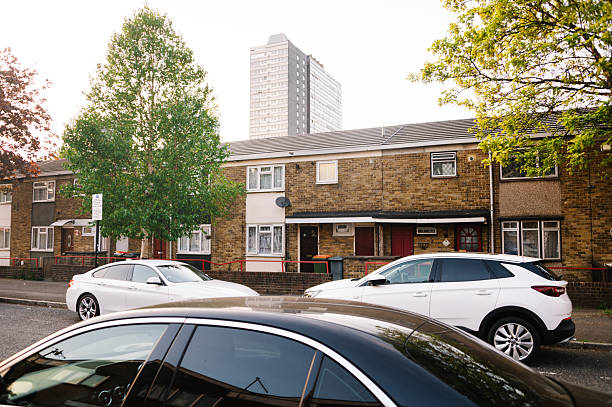
Houses are commonly considered for shared supported living because they can combine individual bedrooms with communal facilities.
A suitable house might provide:
-
Several private bedrooms
-
Shared lounge
-
Communal kitchen
-
Dining space
-
Multiple bathrooms
-
Garden
-
Storage
-
Staff facilities where necessary
However, a high bedroom count does not automatically make a house suitable. Providers also need to consider room sizes, circulation space, communal areas, neighbourhood characteristics and the needs of the people who will live there.
Flats and Self-Contained Accommodation
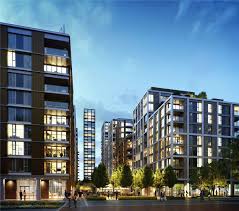
Self-contained flats can be appropriate where residents require greater privacy and independence.
This type of accommodation can allow a person to have their own kitchen, bathroom and living space while receiving support from a provider.
When assessing flats, landlords and providers should consider:
-
Accessibility
-
Building entrances
-
Lift access
-
Fire safety
-
Communal areas
-
Service charges
-
Lease restrictions
-
Noise
-
Parking
-
Public transport
-
Access to local services
Leasehold terms should be checked carefully before a flat is acquired or adapted for supported accommodation.
Location for Mental Health Supported Accommodation
Location can have a significant impact on whether supported accommodation works in practice.
Residents may need convenient access to:
-
GP surgeries
-
Mental health services
-
Hospitals
-
Pharmacies
-
Supermarkets
-
Public transport
-
Parks
-
Community facilities
-
Employment
-
Education and training
The ideal environment depends on the resident group. Some services may require a quieter residential setting, while others may benefit from being close to transport and community facilities.
For London properties, the specific borough and neighbourhood should be assessed rather than treating the entire city as one market.
Renting Property to a Mental Health Supported Accommodation Provider
Landlords with suitable residential properties may consider renting them to a supported accommodation provider.
This can involve a provider operating the support service while the landlord retains responsibility for the property under the agreed tenancy or lease structure.
Before entering an agreement, landlords should establish:
-
Who the provider is
-
Who will occupy the property
-
The intended support model
-
Length of the agreement
-
Rent and payment arrangements
-
Repair responsibilities
-
Maintenance obligations
-
Insurance requirements
-
Proposed alterations
-
Property inspection arrangements
-
Responsibilities when the agreement ends
A clear written agreement can help avoid misunderstandings about how the property will be used and maintained.
Buying Property for Mental Health Supported Accommodation
Investors may purchase houses or flats specifically for supported accommodation.
Before buying, it is important to assess the property against the intended use rather than relying solely on its purchase price or potential rental income.
Consider:
-
Location
-
Property size
-
Existing layout
-
Number of bedrooms
-
Communal space
-
Condition
-
Accessibility
-
Safety requirements
-
Refurbishment costs
-
Planning considerations
-
Local demand
-
Potential provider requirements
-
Long-term maintenance
England's current supported housing framework places emphasis on understanding local supply, unmet need and future demand through Local Supported Housing Strategies.
This makes local research particularly relevant when investors are considering specialist accommodation opportunities.
Refurbishing Property for Mental Health Supported Accommodation
An existing residential property may require refurbishment before it can be used effectively.
Potential works include:
-
Kitchen refurbishment
-
Bathroom upgrades
-
Electrical improvements
-
Heating repairs
-
New flooring
-
Redecoration
-
Lighting improvements
-
Door and access modifications
-
Garden improvements
-
General repairs
-
Accessibility adaptations
The refurbishment should be based on the intended resident group and support model. Spending heavily on cosmetic improvements while overlooking practical issues can create unnecessary costs.
Fraser Bond can assist with refurbishment, building works, contractor coordination, maintenance and wider property management requirements where appropriate.
Supported Accommodation Mental Health and CQC Requirements
The regulatory position depends on how the accommodation and support are structured.
CQC describes supported living as a service where a person lives in their own home and receives care or support intended to promote independence. CQC regulates the care provided, while the accommodation itself is generally not regulated as a CQC location.
This is different from a care home, where accommodation and personal or nursing care can form a single regulated package.
A landlord therefore should not assume that every property used for mental health supported accommodation has identical regulatory requirements. The provider should establish the applicable requirements based on its actual service model and regulated activities.
Mental Health Supported Accommodation in London
London offers a wide range of residential property that may potentially be suitable for supported accommodation, including houses, flats and larger residential buildings.
However, suitability varies significantly between properties.
A provider may prioritise transport links and access to healthcare, while another may require a quieter setting with outdoor space. Property condition, room configuration, local amenities and operating costs can also influence the decision.
For landlords considering this market, understanding the provider's requirements before purchasing or refurbishing a property can reduce the risk of creating accommodation that does not meet operational needs.
How Fraser Bond Supports Mental Health Accommodation Projects
Fraser Bond provides property services covering sourcing, acquisitions, lettings, property management, refurbishment, maintenance and contractor coordination.
For landlords and investors considering supported accommodation for mental health, the property process can involve sourcing the right building, assessing its suitability, carrying out refurbishment and establishing an appropriate letting or management arrangement.
Fraser Bond can work with property owners looking to prepare or manage suitable accommodation for supported living and specialist housing requirements across London and the wider UK.
Finding the Right Supported Accommodation for Mental Health
Successful mental health supported accommodation needs to combine a suitable home environment with the practical requirements of the support service.
Property owners should consider location, layout, condition, privacy, safety, accessibility and long-term maintenance. Providers should assess whether the accommodation is appropriate for the people they intend to support and whether the property can operate effectively within their service model.
With appropriate property sourcing, refurbishment and management, existing residential buildings can potentially be adapted to support people with mental health needs while maintaining a comfortable and independent living environment.