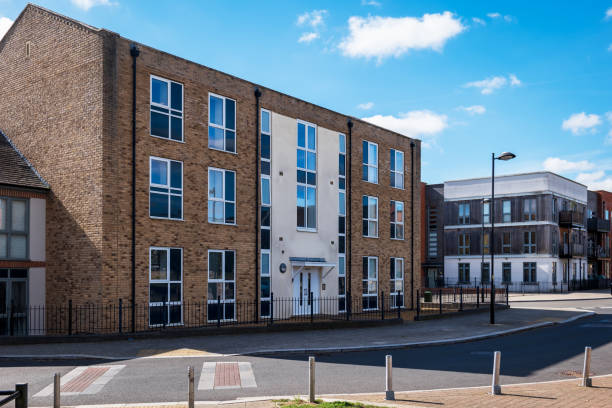
Supported Living Property Lease UK - A Guide for Landlords and Specialist Housing Providers
A supported living property lease allows a landlord or property owner to lease accommodation to an organisation that provides supported housing for people who need help to live independently.
Supported living is different from a traditional care home. Under the Care Quality Commission's current description, supported living involves a person living in their own home while receiving care or support designed to promote independence. The care is regulated by the CQC, while the accommodation itself is generally not regulated by the CQC in the same way.
For landlords with suitable houses, flats or specialist accommodation, leasing to a supported living provider can create a long-term commercial property arrangement. However, the proposed use, provider, lease structure, property standards and responsibilities should all be assessed before an agreement is signed.
What Is a Supported Living Property Lease?
A supported living property lease is an agreement allowing a supported housing organisation, registered provider or another appropriate operator to occupy a property for supported living purposes.
Depending on the arrangement, the property may accommodate people who need support because of:
-
Learning disabilities
-
Physical disabilities
-
Mental health needs
-
Vulnerability
-
Age-related support needs
-
Other circumstances requiring assistance with independent living
The exact model varies considerably.
In some arrangements, a housing provider leases the property and grants occupation to individual residents, while a separate care provider delivers support. The Regulator of Social Housing describes lease-based specialised supported housing as a model in which a freeholder leases property to a registered provider, which then lets the home to an individual, often through local authority or care-provider nomination arrangements.
Can I Lease My Property for Supported Living?
Potentially, yes.
A property may be considered for supported living where its layout, location and condition are suitable for the intended residents and operating model.
Potentially suitable properties can include:
-
Houses
-
Flats
-
Bungalows
-
Larger residential properties
-
Purpose-adapted accommodation
-
Former residential care properties
-
Properties suitable for specialist adaptations
However, simply having several bedrooms does not automatically make a property suitable.
A provider may need specific features such as accessible bathrooms, suitable communal space, secure entrances, staff facilities, parking or adaptations for the people who will live there.
Supported Living vs a Care Home
Understanding the distinction is important when preparing a supported living property lease.
In a care home, accommodation and care can be provided together as a single package. In supported living, the person's accommodation and care arrangements can be separate.
CQC explains that supported living services involve people living in their own homes while receiving care or support, with the care regulated by CQC but the accommodation generally not regulated by CQC as a care location.
This distinction can affect the property's legal structure, planning position, tenancy arrangements and responsibilities.
A landlord should therefore establish exactly what the prospective provider intends to do at the property rather than simply describing every specialist accommodation arrangement as a care home.
What Type of Supported Living Provider Can Lease a Property?
Potential occupiers can include:
-
Registered providers of social housing
-
Specialist supported housing providers
-
Housing associations
-
Supported living organisations
-
Care organisations
-
Specialist accommodation providers
-
Organisations working with local authorities
The appropriate tenant depends on the proposed supported living model.
In some specialised supported housing arrangements, the registered provider is the landlord while a separate organisation provides the care package. The Regulator of Social Housing specifically notes that the care provider can be a different organisation from the registered provider landlord.
This means landlords should understand the relationship between the property owner, housing provider, care provider and resident before agreeing lease terms.
What Makes a Property Suitable for Supported Living?
The requirements depend on who will occupy the property and what support they need.
A property assessment may consider:
Bedrooms
The number, size and layout of bedrooms should be suitable for the intended residents.
Bathrooms
The property may require sufficient bathrooms, accessible facilities or adaptations.
Communal areas
Some supported living models require appropriate shared living, dining or activity spaces.
Accessibility
Wheelchair access, level access, adapted bathrooms, handrails and other features may be necessary depending on the residents.
Location
Proximity to transport, shops, healthcare, education, employment opportunities and community facilities can be important.
Outdoor space
Gardens and accessible outdoor areas may be valuable for some supported living models.
Parking
Parking may be required for staff, visitors, support workers or residents.
Safety and condition
The property should be maintained to an appropriate standard and meet the relevant housing and safety requirements.
The government's national statement of expectations for supported housing states that accommodation should be safe and well maintained, with landlords responsible for keeping properties fit for human habitation and addressing relevant hazards.
Planning and Permitted Use
Planning should be investigated before entering into a supported living property lease.
The proposed use, existing planning use, number of residents, staffing arrangements and nature of the accommodation can all affect the planning position.
A landlord should not assume that a normal residential property can automatically be used for every supported living model.
The provider should establish whether planning permission, a lawful development certificate or other planning action is required for the proposed arrangement.
Where substantial alterations are required, building regulations may also need to be considered.
What Should a Supported Living Property Lease Include?
A specialist lease should clearly establish the responsibilities of the landlord and tenant.
Important provisions can include:
Lease term
The parties should agree the length of the lease and any renewal arrangements.
Long-term leases are used in some specialised supported housing models. The Regulator of Social Housing's 2025 report describes lease-based SSH arrangements involving leases of at least 10 years and often longer.
Rent
The initial rent and payment dates should be clearly documented.
Rent reviews
The lease should explain when rent is reviewed and what mechanism is used.
Repairs and maintenance
The parties should establish responsibility for routine maintenance, structural repairs, replacement works and compliance-related maintenance.
Insurance
The lease should establish who arranges and pays for buildings insurance and other required cover.
Permitted use
The agreement should clearly define the supported living use for which the property is being leased.
Alterations
The provider may need to adapt the property for residents. The lease should explain which works require the landlord's consent.
Assignment and subletting
The landlord should understand whether the tenant can transfer the lease or allow another organisation to occupy the property.
Break clauses
Appropriate break provisions can give the parties a defined route for ending the lease in particular circumstances.
Full Repairing and Insuring Supported Living Leases
Some lease-based specialised supported housing arrangements use full repairing and insuring, or FRI, leases.
Under this structure, the tenant or registered provider generally takes responsibility for repairing and insuring the property.
The Regulator of Social Housing reports that lease-based specialised supported housing arrangements commonly place repairing and insurance obligations on the registered provider landlord, with some leases also containing inflation-linked rent increases.
However, an FRI lease can place significant responsibilities on the tenant.
Landlords and providers should therefore understand exactly what repairs, maintenance, insurance and replacement obligations are included before signing.
Long-Term Supported Living Property Leases
Long-term leases can be used within supported housing.
The Regulator of Social Housing has described lease-based specialised supported housing arrangements where freeholders lease properties to registered provider landlords for at least 10 years and often longer. Earlier regulatory guidance described examples of 20-year-plus leases.
A long lease can provide greater certainty for both parties, but it also creates a long-term contractual commitment.
The lease should therefore be assessed carefully for:
-
Rent increases
-
Repair obligations
-
Void risk
-
Management responsibilities
-
Break clauses
-
Assignment rights
-
Regulatory changes
-
Property condition
-
Exit provisions
Risks for Supported Living Providers
A supported living provider taking a long lease should not assume that the rental income will automatically cover every cost.
The Regulator of Social Housing has highlighted risks within some lease-based specialised supported housing models, including void periods, rent arrears, maintenance costs, regulatory compliance, inflation and inflexible lease terms.
For this reason, a provider should carry out proper financial modelling before taking on a long-term lease.
The viability of the arrangement can depend on the property's occupancy, rent structure, support arrangements, maintenance costs and the specific needs of residents.
Due Diligence on a Supported Living Provider
Landlords should assess the prospective tenant before granting a lease.
Useful checks can include:
-
Company history
-
Financial position
-
Existing properties
-
Management experience
-
References
-
Relevant registrations
-
Existing local authority relationships
-
Proposed use of the property
-
Business plan
-
Insurance
-
Maintenance arrangements
-
Funding arrangements
-
Proposed refurbishment
Where a care provider will also deliver regulated care, the landlord should establish whether the organisation has the appropriate CQC registration for the regulated activities it intends to provide.
The CQC makes clear that supported living accommodation itself is generally not the regulated activity; rather, the care provided to residents may be regulated.
Preparing a Property for Supported Living
A landlord does not necessarily need to carry out every possible adaptation before finding a provider.
It can be more practical to understand the operator's requirements first.
For example, a large property in South London might have six bedrooms, two bathrooms and a sizeable garden. A supported living provider could consider it suitable but require an accessible bathroom, improved fire safety measures and changes to communal areas.
Understanding those requirements before committing to refurbishment can help the landlord focus investment on works that are actually required.
Fraser Bond can support property owners with property assessment, refurbishment, building works, maintenance coordination and the wider commercial property process.
Supported Living Property Lease in London
London contains a wide range of properties that may potentially be suitable for supported living.
A property in North London could appeal to a provider looking for accommodation close to transport and community facilities, while a larger suburban property may provide more space for residents and staff.
The right location depends on the needs of the people who will live there and the service being provided.
Local amenities, public transport, accessibility and proximity to healthcare or other essential services can all be relevant.
Supported Living Lease vs Standard Residential Letting
A supported living lease should not automatically be treated as an ordinary residential letting.
The commercial structure can involve a property owner, housing provider, care provider and residents, with different rights and responsibilities between each party.
A standard residential tenancy is generally an agreement between landlord and resident. A supported housing arrangement can involve a separate provider leasing the property and managing occupation under a specialist housing model.
The correct structure should reflect the actual arrangement.
How Fraser Bond Can Help
Fraser Bond can support property owners looking to lease suitable buildings to supported living providers across London and the UK.
Depending on the project, services can include:
-
Property assessment
-
Supported living operator sourcing
-
Property marketing
-
Commercial lease negotiations
-
Refurbishment coordination
-
Building works
-
Maintenance
-
Property management
-
Landlord support
-
Specialist property advice
For a landlord considering a supported living property lease, the first step is to understand the property's current condition, potential use and the type of provider it could realistically accommodate.
For a supported living provider, the priority is finding accommodation that meets the needs of residents while remaining commercially and operationally viable.
A well-structured lease can give both parties greater clarity, but the proposed use, provider, property condition, rent, repairs and long-term obligations should all be carefully assessed before the agreement is completed.