Car Park Investment UK - A Guide for Property Investors
Car park investment in the UK can provide an alternative commercial property strategy for investors seeking recurring parking income, relatively straightforward management and potential long-term land value. Car parks can range from small private parking sites and residential spaces to larger surface car parks, multi-storey facilities and development sites with parking income.
Is Car Park Investment a Good Investment?
A well-located car park can generate income from hourly, daily, monthly or long-term parking arrangements.
Demand is influenced by factors such as nearby employment, residential density, transport connections, shopping areas, hospitals, railway stations, entertainment venues and the availability of competing parking.
The location is therefore critical. A cheap car park in an area with little parking demand may produce a poor investment, while a smaller site in a land-constrained location can have considerably stronger potential.
Types of Car Park Investments
Investors can consider several different opportunities:
-
Surface car parks
-
Multi-storey car parks
-
Private parking compounds
-
Long-term parking spaces
-
Residential parking facilities
-
Commercial property with associated parking
-
Development sites currently used for parking
-
Car parks with additional commercial uses
The investment structure can also vary. Some owners operate the car park themselves, while others lease the site to a professional parking operator.
How Does a Car Park Make Money?
Income can come from several sources, depending on the property and its planning and legal position.
Potential revenue streams include:
-
Hourly parking
-
Daily parking
-
Monthly permits
-
Long-term parking agreements
-
Electric vehicle charging
-
Advertising
-
Car washing
-
Vending or other ancillary services
The UK's valuation guidance recognises that commercially operated car parks can be assessed using rental evidence and income-related analysis, while factors such as location, occupancy, pricing and the number of spaces can influence value.
Where Are the Best Car Park Investments?
The strongest opportunities are usually where there is a clear shortage of convenient parking.
Investors can investigate locations near:
-
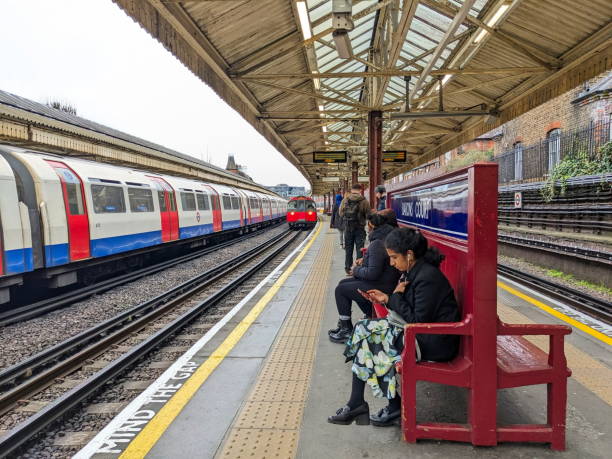
Railway and Underground stations
-
Major employment centres
-
Hospitals
-
Town and city centres
-
Universities
-
Shopping destinations
-
Stadiums and entertainment venues
-
Residential areas with limited private parking
London and other major UK cities can be particularly interesting because expensive land and limited parking supply can create demand for well-positioned parking facilities.
Calculate the Investment Return
Before purchasing, establish the property's actual income and operating costs.
For an existing car park, examine:
-
Number of parking spaces
-
Occupancy levels
-
Current parking charges
-
Annual revenue
-
Operating expenses
-
Business rates
-
Insurance
-
Maintenance
-
Management costs
-
Operator or lease arrangements
A simple starting point is:
Annual net income ÷ purchase price × 100 = net investment yield
Do not rely solely on the advertised gross income. Running costs and required capital expenditure can significantly affect the actual return.
Consider Planning and Alternative Uses
A car park can have value beyond its parking income, particularly where the site could potentially be redeveloped.
However, investors should never assume planning permission will automatically be granted for residential or commercial development.
Check the property's existing planning use, local planning policies, access arrangements, title restrictions and any relevant development constraints before paying a premium for future development potential.
Car Park Investment and Electric Vehicles
Electric vehicle charging can create an additional revenue opportunity for suitable car parks.
Owners may be able to introduce charging infrastructure where the site, electrical capacity, planning position and commercial model make this viable.
However, installation costs, grid connections, maintenance and utilisation should be included in the investment calculation.
Buying a Car Park Through a Company
Investors purchasing commercial property through a limited company should consider the implications for taxation, financing, administration and future disposal.
The appropriate structure depends on the investment strategy and the investor's wider circumstances. Professional legal and tax advice should be obtained before completing the purchase.
Risks of Car Park Investment
Car parks are not risk-free investments.
Potential risks include:
-
Falling occupancy
-
Changes in local parking restrictions
-
New competing car parks
-
Changes in public transport usage
-
Increased operating costs
-
Planning restrictions
-
Security and vandalism
-
Maintenance expenditure
-
Changes in local traffic patterns
Recent market developments also demonstrate that parking businesses can face financial pressure, so investors should distinguish between the value of the underlying property and the financial strength of the operator.
Fraser Bond UK Commercial Property Support
Fraser Bond provides practical UK property consultancy and investment support for UK and international investors.
Our support can assist with commercial property sourcing, investment analysis, acquisition planning, development considerations, due diligence, property structures and ongoing management requirements.
Assess the Land as Well as the Parking Income
Car park investment in the UK can provide an interesting combination of recurring income and underlying land value.
The strongest opportunities are generally supported by genuine local parking demand, sensible acquisition pricing and a clear understanding of operating costs and future property potential.
Before purchasing, investors should assess both the income-producing business and the underlying property so they understand exactly what they are buying.