UK Investors Buying Assignable Contracts
How investors can assess, structure and complete property contract assignments
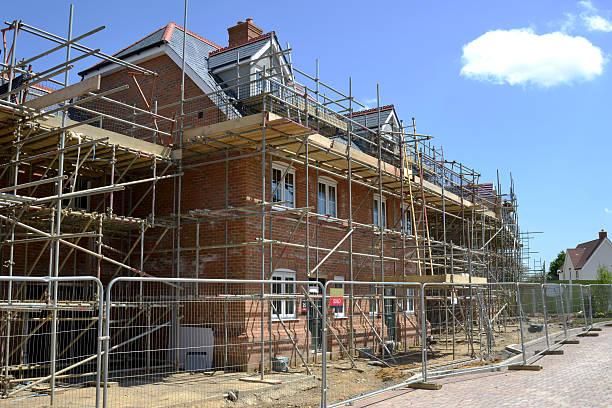
UK investors buying assignable contracts are increasingly looking at opportunities where they can acquire the rights to purchase a property before the original transaction reaches completion. Instead of buying a completed property from the existing owner, the investor may take over an assignable contract and then complete the purchase directly with the developer or original seller.
This can create opportunities in new-build and off-plan developments, particularly where the original buyer needs to exit before completion. However, an assignable contract is not simply the same as buying a finished property at a discount. The investor needs to understand the contract, assignment provisions, remaining payment obligations, completion timetable and potential tax consequences before committing funds.
What UK investors are actually buying
With an assignable contract, the investor is generally acquiring the contractual rights and obligations associated with an existing purchase agreement rather than purchasing a property that has already been transferred to the original buyer.
For example, an investor may find a new-build apartment originally contracted at £300,000. The original buyer may have paid a £15,000 deposit and now wants to assign the contract for £20,000. The incoming investor could potentially take over the contractual position, subject to the agreement allowing the assignment and any required consent.
The investor would then need to complete the underlying purchase according to the original contract.
HMRC treats assignments of rights as pre-completion transactions for SDLT purposes, and the consideration relevant to the eventual purchaser can include both amounts payable under the original contract and consideration given for the assignment.
Why investors look for assignable contracts
Investors may consider these contracts when they want access to property before completion without sourcing a conventional resale property.
Potential opportunities include:
-
Off-plan apartments
-
New-build houses
-
Build-to-rent developments
-
Student accommodation
-
Residential developments in regeneration areas
-
City-centre apartments
-
Properties where the original purchaser needs to exit
-
Contracts with staged or deferred payment arrangements
The attraction is often the possibility of securing a property at an agreed contract price and benefiting from market movement before completion. However, investors should not assume that a paper discount automatically represents a genuine investment profit.
What to check before buying an assignable contract
The first priority should be the original contract.
An investor should establish whether the contract actually permits assignment and whether the developer or seller has to approve the incoming buyer. Some contracts contain restrictions, fees, deadlines or specific procedures for assignments.
The investor should also establish:
-
Original purchase price
-
Deposit already paid
-
Amount required on completion
-
Assignment fee or premium
-
Remaining instalments
-
Completion date
-
Developer's assignment requirements
-
Any administration or consent fees
-
Restrictions on onward sale
-
Lease terms for apartments
-
Service charge and ground rent provisions where applicable
-
Any incentives attached to the original purchase
-
Whether the contract has already been varied
A solicitor experienced in property transactions should review the documents before the investor commits to the transaction.
Calculate the real acquisition cost
One of the biggest mistakes investors make is looking only at the assignment price.
Suppose the original property contract is £300,000 and the investor pays the existing buyer £20,000 for the assignment. If the investor then has to pay £300,000 to complete the original purchase, the total economic consideration is not simply £300,000.
Other costs may include:
-
Assignment payment
-
Remaining purchase price
-
Legal fees
-
Developer administration fees
-
SDLT where applicable
-
Mortgage or finance costs
-
Service charge
-
Ground rent where applicable
-
Refurbishment or furnishing
-
Selling costs
-
Letting and management costs
HMRC's published example illustrates this principle: where a buyer assigns contractual rights for £100,000 and the eventual purchaser pays £1 million under the original contract, HMRC treats the eventual purchaser's chargeable consideration as £1.1 million in that example.
The exact tax position depends on the structure and circumstances, so investors should obtain professional tax advice before proceeding.
Compare the contract price with the current market
An assignable contract should be assessed against today's market rather than simply the original purchase price.
Imagine an apartment was originally contracted at £300,000 but comparable completed apartments are now selling for approximately £315,000.
If the incoming investor pays £10,000 for the assignment, the apparent £15,000 difference between the contract price and current market value does not automatically represent £15,000 of profit.
The investor must account for the assignment payment, transaction costs, tax, financing, service charges, selling expenses and the time required to complete the transaction.
The relevant question is therefore:
What will the investor's total cost be compared with the realistic value of the property at completion?
That calculation is much more useful than focusing on the headline assignment discount.
Check the developer and the development
A contract can look attractive while the underlying development presents problems.
UK investors should investigate the developer's track record, construction progress, expected completion date and the quality of the development.
For a new-build apartment, this could include reviewing:
-
Development location
-
Developer reputation
-
Planning position
-
Construction progress
-
Expected completion date
-
Lease length
-
Service charge estimates
-
Management arrangements
-
Parking arrangements
-
Local rental demand
-
Comparable completed sales
-
Comparable rental properties
A property in a strong-looking development can still produce weak investment results if the purchase price is too high or the local market has substantial competing supply.
Rental investors need a separate calculation
An investor buying an assignable contract for a future rental property should calculate the expected rental economics before agreeing to the assignment.
For example, an apartment might appear attractive at £275,000, but the investor should establish realistic local rent rather than relying on a projected figure supplied in marketing material.
The calculation should consider:
-
Expected monthly rent
-
Vacancy periods
-
Service charges
-
Ground rent where applicable
-
Letting fees
-
Property management
-
Maintenance
-
Insurance
-
Financing
-
Tax
-
Furnishing costs
This allows the investor to assess whether the property works as a buy-to-let investment independently of the assignment strategy.
Finding UK investors buying assignable contracts
Sellers looking to assign a contract need to reach buyers who understand pre-completion transactions.
Potential buyers can include:
-
Property investors
-
Buy-to-let landlords
-
Cash buyers
-
Overseas investors
-
Property companies
-
Portfolio landlords
-
Specialist property investment groups
The buyer pool will depend heavily on the property, price, location and contract terms.
A realistic buyer should be able to demonstrate that they understand the remaining financial commitment rather than focusing only on the initial assignment payment.
Why completion timing matters
The closer a contract is to completion, the more important the investor's funding position becomes.
An investor taking an assignment with completion due shortly afterwards may have limited time to arrange finance, complete legal work and satisfy the developer's requirements.
This is particularly important where the investor intends to use mortgage finance. The investor should establish early whether the property, development and transaction structure will be acceptable to the proposed lender.
Where there are staged payments or a short completion window, the investor should model the required cash flow before signing.
What happens if the contract cannot be assigned?
An investor should not assume that every property contract can be transferred.
If the contract prohibits assignment, requires consent that cannot be obtained, or contains restrictions that make the transaction impractical, the proposed strategy may not work.
There may also be alternative structures, including a subsale or novation, depending on the circumstances. These are legally and tax-sensitive arrangements and should be structured by appropriate professional advisers.
The distinction matters because pre-completion transactions can have different legal and tax consequences. HMRC specifically distinguishes assignments, subsales and other types of pre-completion transactions.
How Fraser Bond can support investors
Fraser Bond can assist investors evaluating UK property opportunities by combining property investment analysis with practical transaction and property support.
Depending on the transaction, support can include property sourcing, investment assessment, development analysis, refurbishment planning, contractor coordination, property management and landlord support.
For an investor considering an assignable contract, the objective should be to assess the complete investment rather than simply the advertised assignment price.
Speak to Fraser Bond about assignable property opportunities
UK investors buying assignable contracts need to look beyond the headline discount and understand the contractual obligations, total acquisition cost, completion timetable and underlying property fundamentals.
Fraser Bond can help investors assess the commercial and property aspects of potential opportunities and coordinate the practical support required before and after completion.
Because assignment structures can create specific legal and tax consequences, investors should have the contract reviewed by a suitably qualified solicitor or conveyancer and obtain appropriate tax advice before committing to a transaction. GOV.UK also recommends using a legal professional for property transactions.