Washing Machine Cleaning Service – Professional Deep Cleaning for Washing Machines
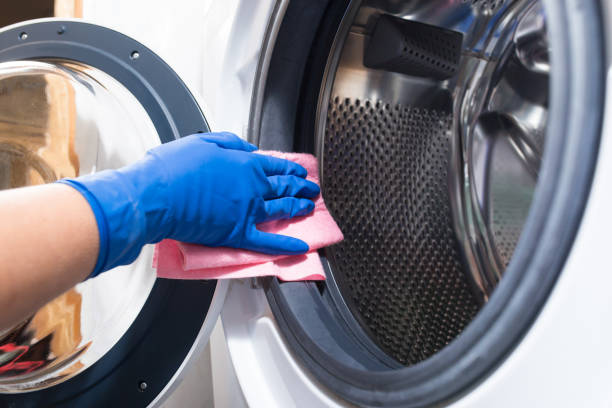
A washing machine cleaning service provides a deeper clean than simply running an empty hot wash. Professional appliance cleaners can tackle detergent residue, fabric-softener build-up, mould, unpleasant smells, limescale and debris in areas such as the drum, rubber door seal, detergent drawer and drain-pump filter.
Regular cleaning matters because washing machines are not completely self-cleaning. Bosch currently recommends a maintenance clean at least every three months and notes that residues and mould can contribute to unpleasant odours and poorer washing results.
Through FraserBond.com, homeowners, landlords and property managers can explore washing machine cleaning, appliance cleaning and domestic property-maintenance services across London and the UK.
What Does a Washing Machine Cleaning Service Include?
The exact service depends on the company and appliance, but a comprehensive deep clean can include:
- Washing machine drum cleaning
- Rubber door-seal cleaning
- Detergent-drawer cleaning
- Drawer-housing cleaning
- Drain-pump filter cleaning
- Limescale treatment
- Removal of detergent and softener residue
- Exterior cleaning
- Maintenance cleaning cycle
- Inspection for visible mould and debris
Some specialist services also provide before-and-after photographs or a condition report.
One current professional UK service describes its deep clean as covering the door seal, drain-pump filter, detergent drawer, drum and descaling cycle.
How Much Does Washing Machine Cleaning Cost?
There is not yet a particularly consistent national pricing structure for standalone professional washing-machine cleaning.
Current examples include a specialist service offering professional deep cleaning from £89, while a Manchester provider currently advertises a comprehensive service for £125, including the drum, gasket, drawer and filter.
Therefore, around £80–£130 can be a useful current reference range for a specialist standalone service, but it should not be treated as a fixed national average.
Prices depend on location, appliance condition, accessibility and whether other appliances are cleaned during the same visit.
Signs Your Washing Machine Needs Cleaning
Consider a deep clean if you notice:
- Bad smells from the drum
- Laundry smelling unpleasant after washing
- Black residue around the door seal
- Mould
- Detergent build-up
- Fabric-softener residue
- Dirty detergent drawer
- Poor rinsing
- Debris in the filter
- Persistent musty smell
Bosch notes that odours can result from accumulated laundry soil, detergent, water-hardness minerals and mould around the door seal.
Washing Machine Smells Bad
A smelly washing machine does not necessarily mean the appliance needs replacing.
Odours can develop in areas where moisture and residue accumulate, particularly the:
Door Seal → Detergent Drawer → Drum → Filter
The rubber seal is especially susceptible because moisture can remain within its folds after washing. Bosch recommends regularly wiping both the inside and outside of the seal and carrying out a maintenance wash.
A professional deep clean can be worthwhile where ordinary maintenance washes no longer remove the smell.
Washing Machine Door-Seal Cleaning
The rubber door gasket is one of the most important areas to clean on a front-loading machine.
Its folds can collect:
- Water
- Fluff
- Hair
- Detergent
- Dirt
- Small objects
- Mould
Bosch advises wiping around the door seal with a clean damp cloth and notes that keeping it clean can also help prevent damage that could contribute to leaks.
If the seal is torn or significantly deteriorated, cleaning will not repair it; replacement may be required.
Detergent Drawer Cleaning
The detergent drawer can develop a thick accumulation of detergent and fabric conditioner.
Where the appliance manufacturer permits removal, the drawer can be taken out and cleaned separately. Bosch, for example, recommends removing its compatible detergent drawers, soaking them and cleaning stubborn residue with a cloth or small brush before thoroughly drying and reinstalling them.
Blocked drawer nozzles can also interfere with detergent delivery.
Washing Machine Filter Cleaning
The filter can collect:
- Fluff
- Hair
- Coins
- Small objects
- General debris
A blocked filter or pump can affect drainage and result in poor rinsing and washing performance.
Filter-access procedures vary between models. Follow the manufacturer's manual, isolate the appliance as instructed and be prepared for residual water when opening a drain-pump filter.
Washing Machine Descaling
Cleaning and descaling are related but not identical.
Cleaning primarily addresses dirt, detergent, organic residue and odours. Descaling targets mineral deposits caused by water.
Bosch currently recommends descaling its machines every three to six months using an approved product, particularly because limescale can accumulate on the heating element and reduce its effectiveness.
Always follow the maintenance instructions for the particular washing-machine brand and model rather than assuming every descaling product or home remedy is suitable.
Mould in a Washing Machine
Black marks around a washing-machine seal can indicate mould.
Cleaning may remove surface contamination, but persistent mould can require more attention, particularly where the rubber has become deeply stained or damaged.
Reducing retained moisture can help prevent recurrence.
After using the machine, follow the manufacturer's instructions regarding ventilation and routine seal cleaning.
Cleaning a Washing Machine in a Rental Property
Professional washing-machine cleaning can be useful for landlords and property managers when preparing a furnished property between tenancies.
It can be incorporated into:
House Clearance → Repairs → Deep Cleaning → Appliance Cleaning → Inventory → New Tenancy
This provides an opportunity to inspect the appliance before the next tenant moves in.
End-of-Tenancy Washing Machine Cleaning
An end-of-tenancy clean may cover visible parts of the washing machine, but it does not necessarily include a specialist internal appliance deep clean.
If required, establish whether the cleaning quotation covers:
- Drum
- Seal
- Drawer
- Filter
- Exterior
- Descaling
Do not assume these are included in a standard domestic or end-of-tenancy cleaning package.
Washing Machine Cleaning for HMOs
Machines in HMOs and shared accommodation can experience particularly frequent use.
A planned cleaning programme can be useful for:
- Student properties
- Shared houses
- Serviced accommodation
- Staff accommodation
- Managed residential properties
The appropriate frequency depends on usage, machine model, water conditions and manufacturer recommendations.
Washing Machine Cleaning for Airbnb Properties
Laundry appliances in short-term accommodation can also experience heavy use.
Professional cleaning can form part of wider periodic property maintenance alongside:
- Dishwasher cleaning
- Fridge cleaning
- Oven cleaning
- Extractor cleaning
- Deep cleaning
Some UK appliance-cleaning companies offer multiple appliances within a single visit. One nationwide provider currently advertises cleaning for ovens, refrigerators, dishwashers and washing machines, among other appliances.
Washing Machine Cleaning vs Repair
Cleaning will not solve every washing-machine problem.
A repair engineer may be more appropriate if the machine:
- Does not start
- Will not drain
- Will not spin
- Leaks significantly
- Displays persistent error codes
- Makes abnormal mechanical noises
- Does not heat
- Has a damaged door seal
- Has an electrical problem
For example, a blocked drain pump can sometimes cause a machine to stop completing its programme, but persistent problems after the manufacturer's maintenance steps may require professional repair.
If water is leaking underneath the appliance and basic manufacturer-approved checks do not identify the cause, an internal leak may need investigation by a qualified appliance engineer.
Can Professional Cleaning Fix Smelly Clothes?
It can help when the smell originates from residue or mould within the washing machine.
Bosch notes that odours within the drum can transfer to clothing during a wash.
However, washing performance can also be affected by factors such as:
- Overloading
- Incorrect detergent
- Incorrect detergent quantity
- Blocked filter
- Drainage problems
- Heating faults
Cleaning is therefore one part of washing-machine maintenance rather than a cure for every laundry problem.
How Often Should You Clean a Washing Machine?
Follow the appliance manufacturer's instructions first.
As one manufacturer example, Bosch recommends using its washing-machine cleaner approximately every three months, while its descaling guidance recommends treatment every three to six months where appropriate.
The ideal schedule can vary according to:
- Frequency of washing