International Admissions to Wellington College
A practical guide for overseas families understanding Wellington College entry requirements, international assessments, boarding, visas and UK relocation planning
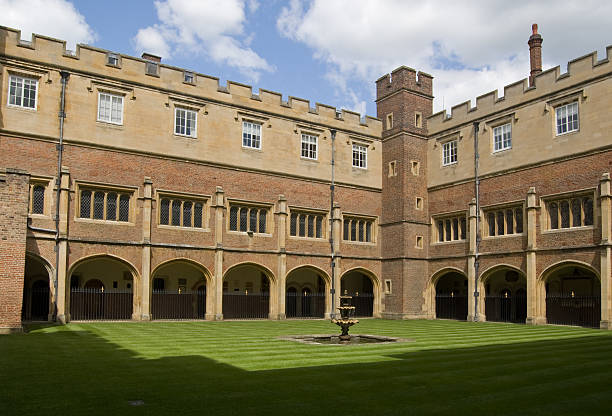
International admissions to Wellington College can be an attractive option for families looking for a leading co-educational British boarding school with a strong international outlook. Located in Crowthorne, Berkshire, Wellington welcomes pupils from around the world and currently has international representation across dozens of nationalities.
The College admits international pupils at several entry points, with the main senior entry routes being 13+, 14+ and 16+. Its admissions process is not separate for overseas applicants, although the school takes the applicant's educational background into account when assessing candidates.
Wellington College Entry Points
Wellington has several possible entry points, but 13+ and 16+ are particularly important for international families.
Around 200 pupils normally enter the Third Form at 13+, while approximately 50 enter the Sixth Form at 16+. A smaller number of pupils can enter at 14+.
The school also has a prep-school route at 11+, although this is primarily a day and local boarding pathway before pupils progress to the senior College.
Families should identify the appropriate year of entry early because registration windows and assessment arrangements vary.
How International Admissions to Wellington College Work
Wellington states that overseas pupils follow the same admissions process as UK applicants. There is no separate admissions route simply because a child lives abroad.
However, the school considers the educational context from which an international candidate is applying.
This can be important for children coming from international schools or education systems that do not follow the English curriculum. Academic reports, references and assessment results are considered alongside the child's wider academic potential and personal qualities.
Wellington also looks beyond examination performance. Its selection criteria include character, interests, passions, independence, resilience and the ability to contribute to the wider school community.
Wellington College 13+ Admissions
The 13+ entry process takes place in two main stages.
Candidates normally sit the ISEB Common Pre-Test during Year 6 or Year 7. The test covers English, Mathematics, Verbal Reasoning and Non-Verbal Reasoning.
The school also requests a reference from the child's current school.
Candidates who perform strongly are invited to an assessment day at Wellington. Rather than simply sitting additional examinations, pupils take part in collaborative lessons and problem-solving activities and are interviewed by a senior member of staff.
For overseas applicants, the ISEB Common Pre-Test can be taken at a British Council or approved testing centre.
The registration deadline for the Year 6 assessment is normally 30 June of Year 5, although families should check the school's current admissions calendar for the relevant entry year.
Wellington College 14+ Admissions
Wellington has introduced a small number of places for entry at 14+, mainly for pupils who may benefit from changing schools before GCSE or equivalent study becomes more advanced.
The process involves remote examinations covering areas such as:
-
English
-
Mathematics
-
Verbal Reasoning
-
Non-Verbal Reasoning
Shortlisted candidates progress to interviews and assessment activities.
For international candidates who cannot easily travel to Berkshire, Wellington provides an international interview option in circumstances where attending the main assessment is difficult.
Because only a relatively small number of 14+ places are available, competition can be particularly strong.
Wellington College 16+ Admissions
Sixth Form is one of the most important entry routes for international students.
Wellington expects to offer around 60 new Sixth Form places across boarding and day entry, although the number can vary.
Applicants initially submit school reports, examination results or predictions and a personal statement.
Shortlisted candidates then progress through the school's assessment and selection process, which can include examinations, interviews and Harkness discussion groups.
At Sixth Form, pupils can choose between A Levels and the International Baccalaureate Diploma Programme.
This makes Wellington particularly relevant to international families looking for a British school that offers both traditional A Level study and the IB pathway.
UKiset for International Applicants
UKiset is particularly relevant to international applicants at Wellington.
Any 16+ candidate whose first language is not English must complete UKiset as part of the application process, whether the pupil is currently studying in the UK or overseas.
UKiset assesses areas including vocabulary, mathematics and non-verbal reasoning.
For 13+ applicants, UKiset is not compulsory because candidates already complete the English and Verbal Reasoning components of the ISEB Common Pre-Test. However, international applicants may provide UKiset results as additional information.
Families should therefore establish the school's current testing requirements before registering their child.
English Requirements
Wellington has a strong academic pace, and international pupils are expected to have a high level of English.
The school states that overseas pupils should be proficient, if not fluent, in English when they arrive. English as an Additional Language support can be provided where appropriate.
This makes English preparation an important part of the admissions process for children coming from non-English-speaking education systems.
Parents should assess not only conversational English but also the child's ability to read complex material, write accurately and participate confidently in academic discussions.
What Wellington Looks for in International Applicants
Academic ability is important, but Wellington does not select pupils solely on examination results.
The school looks for young people with the potential to become independent and intellectually engaged learners.
It also considers:
-
Character
-
Curiosity
-
Resilience
-
Independence
-
Inclusivity
-
Academic potential
-
Co-curricular interests
-
Contribution to school life
-
Suitability for boarding
This whole-child approach means families should present an accurate picture of the child's interests and personality rather than focusing exclusively on grades.
Boarding at Wellington College
Wellington is a major co-educational boarding school, making it particularly suitable for families living overseas.
Boarding provides international pupils with accommodation and pastoral support within the school community while they study in Britain.
Families should nevertheless understand the school's arrangements outside normal boarding periods and make appropriate plans for holidays and other times when pupils cannot remain at school.
Overseas parents should also arrange a suitable guardian where required.
Child Student Visa and UK Study Requirements
International pupils who need immigration permission to study in Britain must have the appropriate right to study in the UK.
Wellington is a sponsor for eligible Child Student and Student visa applicants and provides information about the process.
The exact immigration route depends on the pupil's age, course and circumstances.
Parents should treat immigration planning as a separate process from school admissions and obtain specialist immigration advice where necessary.
Fraser Bond does not provide immigration advice or submit visa applications.
Planning the Cost of Wellington College
School fees are only one part of the financial commitment involved in sending a child to a UK boarding school.
International families should budget for:
-
Tuition and boarding fees
-
Registration charges
-
Deposits
-
Travel to and from Britain
-
Visa-related costs
-
Guardianship
-
Uniforms and equipment
-
Extracurricular activities
-
Personal expenses
-
Holiday accommodation and travel
Families should use Wellington's latest published fee schedule when preparing an actual budget because charges can change between academic years.
Should International Families Buy a UK Property?
A child attending Wellington does not necessarily require the family to own a UK home.
For some overseas parents, boarding provides sufficient accommodation during term time. Others may want a UK property where the family can stay during school holidays, visits or longer periods in Britain.
A property in Berkshire may provide convenient access to Wellington, while London can offer broader business, travel and family advantages.
The decision should depend on how frequently the family expects to visit Britain and whether the child's education forms part of a wider UK relocation strategy.
How Fraser Bond Supports the Property Side
Fraser Bond focuses on property and relocation support for families establishing or maintaining a UK base.
For international families connected to Wellington College, relevant services can include property sales, lettings, property management, refurbishment, maintenance coordination and ongoing landlord support.
This can be particularly useful when parents live overseas and need a UK property maintained or managed remotely.
Fraser Bond does not provide Wellington College admissions consultancy, academic tutoring, guardianship or immigration advice. Its role is focused on the property requirements that can accompany an international education and relocation plan.
Start the Wellington Admissions Process Early
International admissions to Wellington College require careful preparation because different entry points have different registration and assessment timelines.
Families should begin by identifying the correct year of entry, reviewing the academic requirements and understanding whether the child will apply as a day pupil or boarder.
Overseas applicants should also plan for English-language requirements, UKiset where applicable, entrance assessments, interviews, guardianship and immigration arrangements.
For families considering a longer-term UK presence, property planning can be handled alongside education planning. Establishing accommodation and property management arrangements early can make the wider move to Britain considerably easier to coordinate.