16-17 Supported Accommodation - What Property Owners and Providers Need to Know
Understanding the property, compliance and management requirements for supported accommodation for 16- and 17-year-olds
Supported accommodation for 16-17-year-olds has become an important part of the housing and social care landscape in England. It is designed to give eligible young people greater independence while ensuring they have appropriate accommodation, support and safeguards as they prepare for adulthood.
For property owners, landlords, investors and supported accommodation providers, however, offering accommodation to this age group involves considerably more than simply providing a room or flat. The property needs to be suitable, safe, properly maintained and capable of supporting the requirements of the service being delivered.
Fraser Bond works with property owners, landlords, investors and organisations across London on property management, compliance, refurbishment, maintenance, repairs and wider property requirements. This can be particularly useful where a property needs to be prepared or managed for a specialist accommodation use.
What is 16-17 supported accommodation?
Supported accommodation is intended for certain looked-after children and care leavers aged 16 and 17 who are ready to develop greater independence with appropriate support.
Unlike a conventional private tenancy, supported accommodation can involve structured assistance with areas such as independent living, education, employment, budgeting, household responsibilities and preparation for adult life.
The accommodation itself can take different forms. Depending on the arrangement, a young person may live in self-contained accommodation, shared accommodation or a supported group living environment.
The important consideration for property owners is that the accommodation must work as part of a wider support arrangement. A suitable property needs to provide a secure, comfortable and appropriately maintained environment rather than simply meeting basic housing requirements.
What should a property for 16-17 supported accommodation provide?
The physical condition and location of a property can have a significant effect on whether it is suitable for supported accommodation.
Property owners and providers should consider:
-
Safe access to and from the property
-
Appropriate bedrooms and communal areas
-
Reliable heating, hot water and utilities
-
Secure doors and windows
-
Suitable kitchen and bathroom facilities
-
Adequate lighting and ventilation
-
Fire safety arrangements
-
General property maintenance
-
Access to education, healthcare and other local services
-
Transport links and the surrounding neighbourhood
-
Privacy alongside appropriate support arrangements
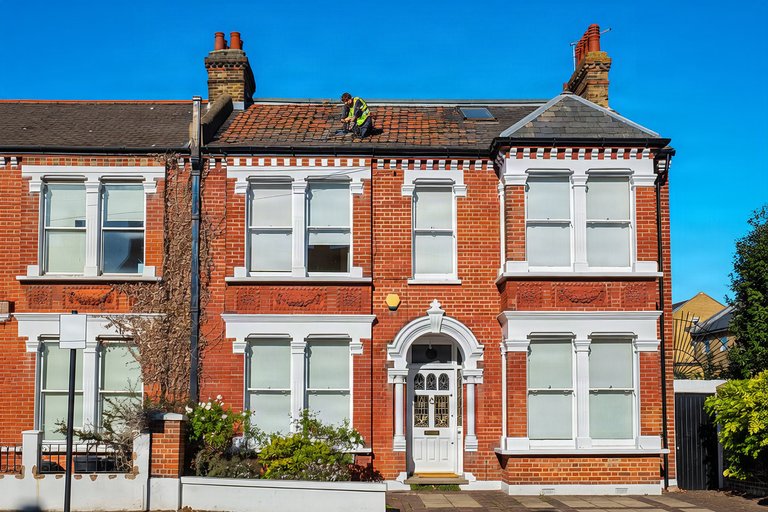
Older London properties may require additional attention. Period buildings, converted houses and older flats can have electrical, plumbing, damp, insulation, roofing or structural issues that need to be addressed before the property is used.
A property refurbishment or maintenance programme can therefore be an important part of preparing accommodation for this purpose.
Why location matters for supported accommodation
Location is not simply a question of finding a property at the right rental price.
For a 16- or 17-year-old moving towards independent living, access to everyday services can be highly important. A property may need to be reasonably accessible to schools, colleges, employment opportunities, healthcare, public transport, shops and other community facilities.
London creates a wide range of opportunities but also significant differences between neighbourhoods. A property in Croydon, Lewisham, Haringey or Brent, for example, may present different transport, rental, property-condition and local-service considerations from a property in Kensington or Westminster.
A location assessment should therefore consider the individual requirements of the accommodation service and the young people who may live there.
Preparing a London property for 16-17 supported accommodation
A property that is currently used as a standard rental may need work before it can operate effectively as supported accommodation.
A preparation programme might include:
-
General repairs and maintenance
-
Redecoration
-
Bathroom upgrades
-
Kitchen improvements
-
Electrical works
-
Plumbing repairs
-
Heating improvements
-
Replacement doors or windows
-
Flooring replacement
-
Damp treatment
-
Furniture and fixture installation
-
Safety improvements
-
Garden or external-area maintenance
The scale of work will depend on the property's existing condition and the requirements of the intended accommodation arrangement.
For example, an investor purchasing an older terraced property in East London may discover that the building requires electrical upgrades, bathroom repairs and redecoration before it can be considered suitable for a supported accommodation provider. Coordinating these works before occupation can reduce disruption and help create a more appropriate living environment.
Fraser Bond can assist property owners with refurbishment planning, repairs, contractor coordination and ongoing property maintenance.
Compliance should be considered before occupation
One of the most important mistakes property owners can make is treating supported accommodation like an ordinary residential letting.
In England, supported accommodation for looked-after children and care leavers aged 16 and 17 is subject to a specific regulatory framework. Providers are required to meet relevant standards and, where the provision falls within the regulated supported accommodation regime, registration with Ofsted is required.
This means that anyone considering providing accommodation should establish the intended operating model and regulatory responsibilities before committing to a property.
Property owners should also avoid assuming that a property is suitable simply because it has previously been rented to residential tenants. The intended use, property condition, management arrangements and responsibilities between the property owner and accommodation provider all need to be properly considered.
Property management responsibilities can be substantial
Supported accommodation properties can require more active management than a conventional rental property.
Issues such as a leaking tap, broken boiler, damaged door, pest problem or electrical fault can quickly affect the people living in the property. Delaying routine maintenance can also allow relatively small problems to become more expensive repairs.
A practical management arrangement should establish:
-
Who reports maintenance problems
-
Who authorises repairs
-
Who coordinates contractors
-
How emergency repairs are handled
-
How inspections are arranged
-
Who manages compliance documentation
-
How communal areas are maintained
-
How property damage is addressed
-
How planned refurbishment is organised
Clear responsibilities are particularly important where a property owner leases or provides a building to an organisation delivering supported accommodation.
Refurbishment can improve suitability without over-improving the property
Property owners investing in supported accommodation need to balance quality with cost.
The objective is not necessarily to create a luxury property. The more important goal is to create accommodation that is safe, comfortable, functional, durable and appropriate for the intended residents.
For example, spending heavily on expensive finishes may offer little practical benefit if the property still has poor heating, inadequate storage or unreliable plumbing.
A sensible refurbishment programme should prioritise essential building works first, followed by improvements that make the accommodation more comfortable and functional.
Fraser Bond can help property owners assess refurbishment requirements, coordinate building works and manage contractors where a property needs upgrading before occupation.
What landlords should consider before agreeing to a supported accommodation use
Landlords considering leasing a property to a supported accommodation provider should establish exactly how the property will be operated.
Questions worth asking include:
-
Who will occupy the property?
-
Who is responsible for the accommodation service?
-
Is the provider appropriately registered where required?
-
What support will be provided?
-
How many occupants will live at the property?
-
What changes will be made to the building?
-
Who is responsible for repairs?
-
How will emergencies be handled?
-
Are there planning or property-use considerations that need checking?
-
What insurance arrangements are required?
-
Who will maintain compliance records?
These questions should be answered before signing an agreement or beginning major building works.
Buying a property for supported accommodation
Investors considering purchasing a property specifically for supported accommodation should assess more than the purchase price.
The condition of the building, local rental market, transport links, potential refurbishment costs and suitability of the layout can all affect the commercial viability of the project.
A property that appears inexpensive may require extensive renovation. Conversely, a well-maintained property in a suitable location may require relatively limited preparation.
Investors should therefore carry out appropriate property due diligence before committing capital.
This may include reviewing:
-
Building condition
-
Existing leases
-
Planning considerations
-
Property layout
-
Maintenance history
-
Refurbishment requirements
-
Local accessibility
-
Operating costs
-
Potential rental income
-
Compliance requirements
Fraser Bond can support investors and property owners with property assessments, refurbishment coordination, management and wider property consultancy requirements.
When professional property support becomes useful
Supported accommodation combines property requirements with a specialist operating environment. This means property owners may need assistance from professionals who understand both the physical building and the practical demands of managing it.
Fraser Bond provides a range of property services across London, including property management, repairs, refurbishment, maintenance coordination, contractor support, compliance assistance and wider landlord services.
For an owner preparing a property for a supported accommodation provider, this can mean having one experienced property consultancy involved in coordinating different aspects of the project rather than managing every contractor and maintenance issue separately.
Speak with Fraser Bond about supported accommodation property requirements
Whether you already own a property or are considering acquiring one for supported accommodation, the building needs to be assessed carefully before it is occupied.
Fraser Bond can assist with property management, refurbishment, repairs, contractor coordination, maintenance and broader property requirements across London and the wider UK.
If you are preparing a property for 16-17 supported accommodation, speak with Fraser Bond about the property's condition, refurbishment requirements and ongoing management needs.