ABI Residential Care: Finding Suitable Property for Acquired Brain Injury Services
A practical guide for care providers, landlords, investors and developers looking for suitable property for acquired brain injury residential care across the UK
ABI residential care provides accommodation and specialist support for people living with an acquired brain injury. Depending on the individual's needs, services can provide personal care, nursing, rehabilitation, structured daily activities and support with developing greater independence.
For property owners and care providers, an ABI residential care property needs to do more than provide bedrooms. The building should support safe movement, personal care, rehabilitation, communal living and the specific physical and cognitive needs of its residents.
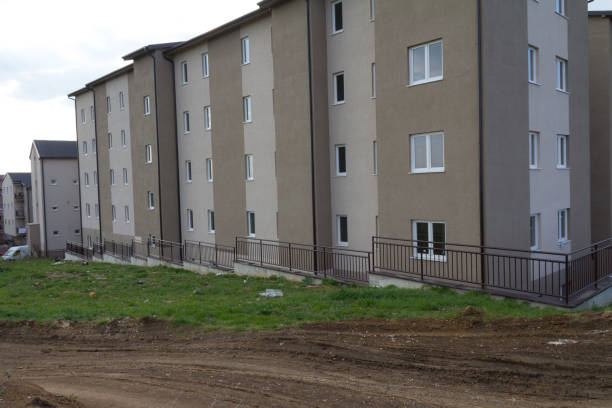
Current CQC examples demonstrate that ABI residential services operate in different types of buildings. Albert Road, for example, is a residential care home supporting people with acquired brain injury from a converted semi-detached house, while other services operate from purpose-built specialist accommodation.
What is ABI residential care?
ABI residential care is accommodation and care for people who have experienced an acquired brain injury after birth.
Acquired brain injuries can result from causes including:
-
Stroke
-
Traumatic brain injury
-
Brain haemorrhage
-
Infection
-
Tumour
-
Lack of oxygen to the brain
-
Other neurological injuries or conditions
The effects can vary considerably. Some residents may need relatively limited support with daily activities, while others may require extensive personal care, rehabilitation, mobility assistance or nursing support.
This variation makes the intended resident profile an important starting point when assessing a potential property.
What makes a property suitable for ABI residential care?
The appropriate property specification depends on the needs of the people the provider intends to support.
Important considerations can include:
-
Accessible entrances
-
Suitable bedroom sizes
-
Accessible bathrooms
-
Safe internal circulation
-
Communal living areas
-
Dining facilities
-
Quiet spaces
-
Outdoor areas
-
Equipment storage
-
Staff facilities
-
Emergency access
-
Appropriate fire safety arrangements
The property should also provide an environment that allows residents to participate in everyday activities and develop independence where appropriate.
CQC's description of Oakwood Acquired Brain Injury Service highlights this approach, with residents having access to cooking and laundry facilities in their bedrooms to develop independent living skills.
Bedrooms for ABI residential care
Bedrooms should be assessed according to the resident's likely requirements rather than simply the number of rooms available.
A bedroom may need sufficient space for:
-
Specialist beds
-
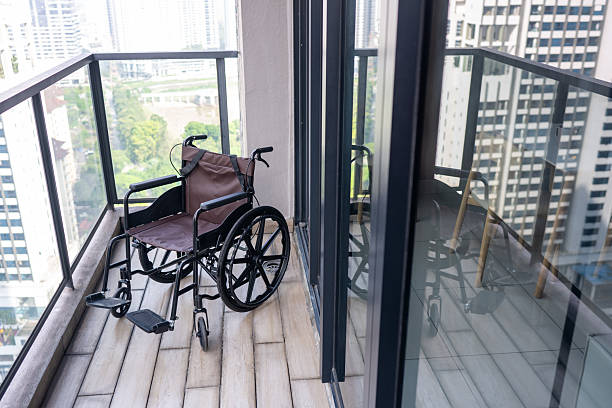
Wheelchairs
-
Mobility equipment
-
Hoists
-
Carer assistance
-
Personal storage
-
Other equipment required by individual residents
En-suite bathrooms can also make daily routines easier for people with mobility difficulties.
Before taking a property, providers should physically inspect bedrooms and consider how much usable space remains once furniture and specialist equipment are installed.
Accessible bathrooms and wet rooms
Bathrooms can be one of the most important parts of an ABI residential care property.
Depending on the needs of residents, the building may require:
-
Level-access showers
-
Wet rooms
-
Accessible toilets
-
Grab rails
-
Specialist bathing equipment
-
Hoist compatibility
-
Wider doorways
-
Adequate wheelchair turning space
-
Slip-resistant surfaces
Older residential properties may require substantial plumbing and drainage alterations before bathrooms can be adapted.
A property should therefore be assessed for conversion potential before the provider commits to a long lease or purchase.
Communal areas and daily living
ABI residential care is not simply about providing individual bedrooms.
Suitable communal areas can support:
-
Shared meals
-
Social activities
-
Recreation
-
Family visits
-
Group activities
-
Rehabilitation exercises
-
Independent living skills
A large lounge, dining room and accessible kitchen can therefore add considerable value to a property.
The layout should also allow residents to move between private and communal areas without unnecessary barriers.
Supporting independence through property design
Residential ABI services often support residents in developing or maintaining independence.
This can influence the design of the property.
Useful features may include:
-
Accessible kitchens
-
Laundry facilities
-
Independent living areas
-
Private outdoor areas
-
Safe walking routes
-
Accessible storage
-
Activity spaces
Oakwood's CQC profile specifically describes the use of cooking and laundry facilities to help residents develop independent living skills.
The property can therefore become part of the support environment rather than simply functioning as accommodation.
ABI rehabilitation residential care
Some ABI residential services combine ongoing care with rehabilitation.
The property may need additional space for:
-
Physiotherapy
-
Occupational therapy
-
Exercise
-
Mobility practice
-
Therapy sessions
-
Activities
-
Skills development
West Heath House has been described by CQC as a rehabilitation residential care home for people with acquired brain injury, while Haydock Lodge currently provides specialist rehabilitation and accommodation for up to 30 people with ABI.
This type of service requires a property capable of supporting active rehabilitation alongside residential living.
Small ABI residential homes
A large building is not always necessary.
Smaller properties can provide specialist ABI residential care where the resident group and care model are appropriate.
Abington View, for example, was described by CQC as a small residential home providing accommodation and personal care for up to three people with acquired brain injury.
This demonstrates why property selection should start with the intended service model rather than an arbitrary target for the number of bedrooms.
Purpose-built ABI accommodation
Purpose-built properties can provide greater flexibility for specialist requirements.
CQC has described Oakwood as purpose-built accommodation with ground-floor bedrooms, en-suite facilities, therapy rooms, a shared kitchen and dining room, a lounge and visitor space.
Similarly, Willowbrook was described as modern purpose-built accommodation with level access throughout and adaptations designed to support residents' rehabilitation.
These examples demonstrate the importance of accessibility and practical living space when planning specialist ABI accommodation.
Converting an existing property
An existing house or care property can sometimes be adapted for ABI residential care.
Potential works may include:
-
Creating accessible bedrooms
-
Installing wet rooms
-
Widening doorways
-
Improving circulation
-
Installing ramps
-
Modifying kitchens
-
Creating therapy areas
-
Improving external access
-
Upgrading fire safety
-
Improving electrical systems
-
Altering plumbing
-
Creating additional communal space
A converted property can be viable, but the cost and feasibility of the works need to be established before acquisition.
Location for ABI residential care
Location can affect the practical operation of an ABI residential service.
Providers may consider proximity to:
-
Hospitals
-
Neurological services
-
Rehabilitation professionals
-
GP practices
-
Pharmacies
-
Public transport
-
Main roads
-
Shops
-
Parks
-
Community facilities
A residential setting should ideally provide access to the local community where this is compatible with residents' care and rehabilitation plans.
Buying or leasing ABI residential care property
Providers can acquire ABI property through purchase or lease.
Leasing can allow a care operator to secure a building without purchasing the underlying asset, while purchasing can provide greater control over refurbishment and long-term property decisions.
Before agreeing terms, providers should investigate:
-
Planning position
-
Building condition
-
Accessibility
-
Fire safety
-
Electrical systems
-
Gas systems
-
Plumbing
-
Structural condition
-
Adaptation costs
-
Repair obligations
-
Insurance
-
Lease restrictions
-
Reinstatement requirements
A property that looks suitable during an initial viewing may require significant investment once specialist requirements are assessed.
What landlords should consider
Landlords considering leasing a property to an ABI care provider should understand how the building will be used.
Specialist operators may need permission to carry out accessibility works, install equipment or alter internal layouts.
The lease should clearly establish responsibility for:
-
Adaptations
-
Repairs
-
Maintenance
-
Compliance works
-
Specialist installations
-
Building insurance
-
External areas
-
Reinstatement
Clear terms can help prevent disagreements over expensive works later in the tenancy.
What investors should look for
Investors considering ABI residential care property should assess the building as a specialist operational asset.
Important considerations include:
-
Location
-
Property size
-
Accessibility
-
Bedroom configuration
-
Communal space
-
Conversion potential
-
Planning position
-
Refurbishment requirements
-
Long-term suitability
-
Potential operator requirements
The property's ability to accommodate specialist care requirements can be more important than its conventional residential layout.
ABI residential care property and specialist providers
Headway's Approved Provider scheme covers specialist residential and nursing homes, neuro-rehabilitation units and respite facilities specialising in acquired brain injury. Its standards are intended to assess whether services provide appropriate specialist care for people with complex physical and cognitive impairments.
For property owners, this reinforces the importance of understanding the operational requirements of ABI care before preparing a building for a specialist operator.
Fraser Bond ABI residential care property services
Fraser Bond supports UK property requirements across property sourcing, acquisition, leasing, refurbishment, construction, maintenance and property management.
For ABI residential care providers, this can include identifying suitable buildings, assessing property potential, coordinating refurbishment and managing building works required to prepare accommodation for specialist use.
For landlords and investors, Fraser Bond can help assess existing properties and identify practical improvements that may make them more suitable for an ABI residential care operator.
The right ABI residential care property should provide a safe and practical environment for residents while giving care teams sufficient space to deliver support, rehabilitation and daily living activities.