ABI Supported Accommodation: Finding Suitable Property for Acquired Brain Injury Support
A practical guide for care providers, landlords, investors and developers looking for suitable acquired brain injury supported accommodation across the UK
ABI supported accommodation provides housing and tailored support for people living with an acquired brain injury who may need help with daily activities, rehabilitation, independence or ongoing care.
Unlike a conventional residential care home, supported accommodation can be structured around residents having their own home while receiving care or support separately. CQC describes supported living as arrangements where a person lives in their own home and receives care or support designed to promote independence, with the care regulated by CQC but the accommodation generally not regulated as a care location.
For property providers, this distinction makes the building, tenancy arrangements and proposed support model particularly important when sourcing ABI supported accommodation.
What is ABI supported accommodation?
ABI supported accommodation is housing designed or adapted for adults who have acquired a brain injury and require some level of ongoing support.
An acquired brain injury may result from:
-
Traumatic brain injury
-
Stroke
-
Brain haemorrhage
-
Brain infection
-
Brain tumour
-
Lack of oxygen to the brain
-
Other neurological injuries
The impact can be physical, cognitive, emotional or behavioural, and support requirements can vary considerably between individuals.
Some residents may need assistance with cooking, medication, budgeting and household tasks, while others may require significant mobility support, rehabilitation or assistance with personal care.
The property should therefore be matched to the needs of the intended residents rather than treated as standard rental accommodation.
ABI supported living property versus a care home
The distinction between supported living and residential care is important when assessing property.
In supported living, the resident generally occupies their own home under a housing arrangement while receiving care or support separately. CQC states that accommodation and care are not usually provided as one contractual package in supported living.
By contrast, a care home provides accommodation and personal care together, with CQC regulating both the care and the premises.
There are real-world ABI services using supported living arrangements. CQC has described Symbiosis House as a supported living service where people with conditions including acquired brain injury live in supported living settings and their care and housing are provided under separate contractual arrangements.
Providers should obtain specialist regulatory and planning advice before deciding how a proposed property and care model should be structured.
What makes a property suitable for ABI supported accommodation?
The appropriate property will depend on the abilities and support needs of the residents.
Important considerations can include:
-
Accessible entrances
-
Suitable bedrooms
-
Accessible bathrooms
-
Safe circulation
-
Communal areas where appropriate
-
Accessible kitchens
-
Outdoor space
-
Equipment storage
-
Staff or support areas
-
Suitable parking
-
Good access to local amenities
The building should also encourage residents to maintain as much independence as possible.
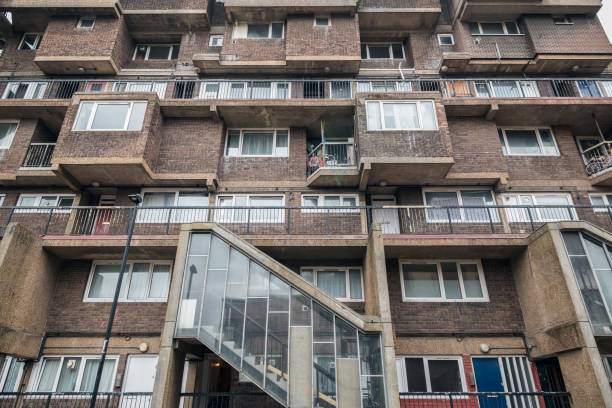
Individual flats and apartments
Self-contained flats can be particularly useful for ABI supported accommodation where residents are able to live with greater independence.
A flat can provide:
-
A private bedroom
-
Living area
-
Kitchen
-
Bathroom
-
Personal storage
-
Greater control over daily routines
This type of accommodation can allow support workers to provide assistance without residents necessarily living in a traditional care-home environment.
CQC has documented ABI services using step-down flats as part of a progression from more intensive rehabilitation towards supported or independent living. Marner House, for example, currently combines a main house with four step-down flats.
Houses for ABI supported accommodation
A large house can also potentially be adapted for supported accommodation, depending on the proposed arrangement.
Potential features include:
-
Individual bedrooms
-
Shared kitchen
-
Communal lounge
-
Accessible bathroom
-
Garden
-
Parking
-
Staff support space
However, a standard house should not be assumed to be suitable simply because it has several bedrooms.
Door widths, stairs, bathrooms, kitchen layout and external access should all be assessed against the needs of the residents.
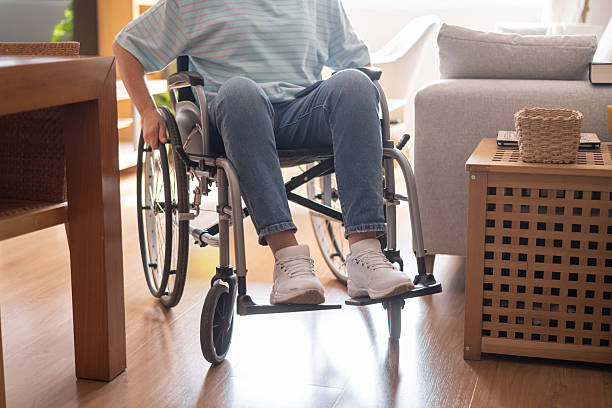
Accessible bedrooms
Bedrooms should provide sufficient space for residents to use the room safely.
Depending on individual needs, residents may require:
-
Wheelchairs
-
Walking aids
-
Specialist beds
-
Transfer equipment
-
Hoists
-
Additional storage
-
Carer assistance
Ground-floor bedrooms can be particularly useful where residents have significant mobility limitations.
CQC has described ABI accommodation where ground-floor bedrooms and en-suite facilities were incorporated into purpose-built accommodation.
Accessible bathrooms
Bathrooms are an important consideration when sourcing ABI supported accommodation.
Potential requirements include:
-
Level-access showers
-
Wet rooms
-
Accessible toilets
-
Grab rails
-
Wider doorways
-
Wheelchair turning space
-
Specialist bathing equipment
-
Slip-resistant flooring
A property with inadequate bathroom provision may require significant refurbishment before it can support residents safely.
Where adaptations are planned, the existing plumbing, drainage and structural arrangement should be assessed before the lease or purchase is completed.
Kitchens and independent living skills
An accessible kitchen can be an important part of ABI supported accommodation.
Residents may be working towards greater independence with everyday activities such as:
-
Preparing meals
-
Washing dishes
-
Shopping
-
Laundry
-
Cleaning
-
Managing household routines
Property design can therefore support rehabilitation and independent living rather than simply providing accommodation.
CQC has described ABI services where residents use cooking and laundry facilities as part of developing independent living skills.
Communal areas and social spaces
Where several residents share a property, communal space can support social interaction and structured activities.
Potential areas include:
-
Shared lounge
-
Dining area
-
Activity room
-
Accessible garden
-
Quiet room
-
Shared kitchen
The amount of communal space required depends on the operating model.
A service designed around independent flats may require less shared space than a supported house where residents regularly participate in group activities.
Location for ABI supported accommodation
Location can have a direct impact on residents' independence.
Suitable properties may benefit from access to:
-
Local shops
-
GP practices
-
Pharmacies
-
Hospitals
-
Rehabilitation services
-
Public transport
-
Parks
-
Community centres
-
Employment opportunities
-
Education or training facilities
For residents progressing towards greater independence, being connected to the surrounding community can be an important part of the accommodation strategy.
Step-down accommodation for ABI residents
Some ABI services use supported accommodation as a transition between intensive rehabilitation or residential care and independent living.
This can allow residents to practise everyday skills in a less institutional environment while still having access to appropriate support.
CQC's profile of Marner House describes a pathway in which people could progress from the main rehabilitation house into step-down flats before moving towards supported or independent accommodation in the community.
This type of property can therefore be particularly relevant to providers developing rehabilitation-to-independence pathways.
Converting existing property for ABI supported accommodation
An existing residential property can sometimes be adapted for ABI use.
Potential works include:
-
Creating accessible bedrooms
-
Installing wet rooms
-
Widening doorways
-
Improving circulation
-
Installing ramps
-
Modifying kitchens
-
Improving external access
-
Adding handrails
-
Upgrading fire safety
-
Improving electrical systems
-
Altering plumbing
-
Creating communal areas
The feasibility and cost of these works should be assessed before a provider commits to a property.
Buying or leasing ABI supported accommodation property
Care and support providers may lease suitable properties from landlords or acquire properties directly.
For landlords, leasing to an ABI provider can involve a different set of property considerations from a conventional residential tenancy.
The agreement should clearly address:
-
Permitted use
-
Adaptations
-
Repairs
-
Maintenance
-
Specialist equipment
-
Insurance
-
External areas
-
Compliance responsibilities
-
Reinstatement requirements
The proposed housing and care arrangements should also be clearly understood before the property is marketed or leased.
What landlords should look for
A landlord considering ABI supported accommodation should assess the property based on the proposed resident profile.
Useful characteristics can include:
-
Accessible ground-floor accommodation
-
Multiple bathrooms
-
Suitable bedroom sizes
-
Good kitchen facilities
-
Safe outdoor space
-
Parking
-
Public transport nearby
-
Proximity to community facilities
-
Potential for accessibility adaptations
A property that can be adapted without extensive structural work may be more practical for a specialist operator.
What investors should consider
Investors looking at ABI supported accommodation should distinguish specialist housing from conventional buy-to-let property.
Key considerations include:
-
Location
-
Property configuration
-
Accessibility
-
Conversion potential
-
Planning position
-
Refurbishment costs
-
Potential operator requirements
-
Lease structure
-
Long-term suitability
-
Maintenance requirements
Specialist accommodation may require more detailed due diligence because the property's value to an operator depends heavily on its suitability for a particular care and housing model.
ABI supported accommodation and property regulation
The regulatory position depends on how the service is structured.
CQC states that supported living arrangements generally involve residents living in their own homes while receiving regulated care and support separately from the accommodation. The accommodation itself is generally outside CQC's regulation in this model.
If accommodation and personal care are instead provided together as one contractual package, the arrangement may fall within the care-home model, where both premises and care are regulated.
This distinction should be considered early when developing or converting property for ABI support.
Fraser Bond ABI supported accommodation property services
Fraser Bond supports UK property requirements across property sourcing, acquisition, leasing, refurbishment, construction, maintenance and property management.
For ABI supported accommodation providers, this can include identifying suitable houses, flats and specialist buildings, assessing property potential, coordinating accessibility improvements and managing refurbishment or building works.
For landlords and investors, Fraser Bond can help assess existing properties and identify practical improvements that may make them more suitable for ABI supported accommodation.
The right ABI supported accommodation property should give residents a safe and accessible home while supporting independence and allowing care professionals to provide the appropriate level of assistance.