


Apply for an IVA UK - Eligibility, Application Process and Debt Write-Off Guide
Understanding how to apply for an Individual Voluntary Arrangement (IVA) in the UK, who qualifies, how much you pay, which debts can be included and what happens after your IVA is approved.
If you are struggling with debt and cannot afford your monthly repayments, an Individual Voluntary Arrangement (IVA) may provide a way to manage your financial difficulties.
An IVA is a formal agreement between you and your creditors to repay an affordable amount towards your outstanding debts over an agreed period.
It is legally binding once approved and can prevent creditors included in the arrangement from taking certain recovery actions, provided you comply with its terms.
You can apply for an IVA through a licensed insolvency practitioner in England, Wales or Northern Ireland. Scotland has a different debt solution called a protected trust deed.
An IVA may allow you to repay part of what you owe, with qualifying remaining debts usually written off when the arrangement is successfully completed.
Fraser Bond provides residential property sales, lettings, valuations and real estate consultancy services across London. For homeowners, tenants and property investors experiencing financial difficulties, understanding how debt arrangements affect housing and property ownership is particularly important.
What Is an IVA?
An Individual Voluntary Arrangement is a formal debt repayment agreement between an individual and their creditors.
It allows someone experiencing financial difficulties to make affordable repayments over an agreed period rather than continuing with unaffordable contractual payments.
An IVA is arranged and supervised by a licensed insolvency practitioner.
The arrangement generally involves:
-
Reviewing your income and expenditure.
-
Assessing your outstanding debts.
-
Calculating affordable monthly repayments.
-
Preparing a repayment proposal.
-
Asking creditors to vote on the proposal.
-
Making agreed payments if approved.
-
Distributing payments to participating creditors.
-
Discharging qualifying remaining debts after successful completion.
Most IVAs last approximately five or six years, although the duration depends on the proposal.
Who Can Apply for an IVA in the UK?
An IVA may be suitable if you:
-
Live in England, Wales or Northern Ireland.
-
Have debts you cannot realistically repay.
-
Have a regular income or another suitable source of repayment.
-
Have several unsecured creditors.
-
Can afford regular payments after essential expenses.
-
Want to avoid bankruptcy where possible.
There is no universal minimum debt amount that automatically qualifies someone for an IVA.
However, insolvency practitioners and creditors will consider whether an IVA is appropriate and commercially realistic.
An IVA is not automatically suitable for everyone experiencing debt problems.
How to Apply for an IVA in the UK
Applying for an IVA involves several stages. You cannot normally arrange an IVA directly with creditors yourself; a licensed insolvency practitioner must administer the process.
Step 1 - Review Your Financial Situation
Start by calculating how much you owe and identifying your creditors.
Include:
-
Credit cards.
-
Personal loans.
-
Store cards.
-
Overdrafts.
-
Catalogue debts.
-
Certain utility arrears.
-
Other qualifying unsecured borrowing.
Also calculate your monthly income, household expenses and essential financial commitments.
Step 2 - Contact an Insolvency Practitioner
Speak to a licensed insolvency practitioner who can assess whether an IVA is suitable.
They will review your financial circumstances and explain the costs, benefits and potential consequences.
Step 3 - Complete an Income and Expenditure Assessment
You will need to provide details of your:
-
Employment income.
-
Benefits and pensions.
-
Rent or mortgage payments.
-
Council tax.
-
Household bills.
-
Food and travel expenses.
-
Dependants.
-
Existing debts.
-
Savings and assets.
This information helps establish how much you can realistically afford to repay.
Step 4 - Prepare Your IVA Proposal
If an IVA is appropriate, the insolvency practitioner prepares a proposal setting out:
-
Your total outstanding debts.
-
Your proposed monthly payments.
-
The length of the arrangement.
-
Your available assets.
-
How creditors will receive payments.
-
Any conditions attached to the agreement.
Step 5 - Submit the Proposal to Creditors
Your proposal is presented to creditors for a vote.
Creditors representing at least 75% by value of the votes cast by creditors entitled to vote must approve the proposal.
Once approved, the IVA generally becomes legally binding on the creditors included in the arrangement, including qualifying creditors who voted against it.
Step 6 - Start Making IVA Payments
Once the IVA is approved, you begin making payments according to the agreed schedule.
The insolvency practitioner distributes the money to creditors after deducting permitted fees and expenses.
Step 7 - Complete Your IVA
If you comply with the agreement and successfully complete the required payments and other obligations, qualifying remaining debts included in the IVA are normally written off.
How Much Do You Have to Pay Into an IVA?
There is no fixed monthly IVA payment.
The amount depends on your income, essential expenditure, debts and available assets.
For example:
|
Monthly financial position |
Amount |
|---|---|
|
Monthly income |
£2,400 |
|
Rent |
£850 |
|
Council tax and utilities |
£250 |
|
Food and household expenses |
£350 |
|
Travel |
£150 |
|
Other essential expenses |
£300 |
|
Available monthly surplus |
£500 |
In this example, an IVA proposal might consider a contribution based on the £500 available surplus.
The actual payment would be determined by the insolvency practitioner after reviewing your full circumstances and the creditors' requirements.
How Long Does an IVA Last?
Most IVAs last five or six years, depending on the agreed terms.
The duration may be affected by:
-
Monthly repayment arrangements.
-
Changes in employment or income.
-
Additional payments.
-
Property equity provisions.
-
Payment holidays or variations.
-
Other conditions in the proposal.
Some IVAs involve a lump-sum contribution rather than regular monthly payments.
Which Debts Can Be Included in an IVA?
Many unsecured debts can be included in an IVA.
|
Debt type |
Can it generally be included? |
|---|---|
|
Credit cards |
Yes |
|
Personal loans |
Yes |
|
Store cards |
Yes |
|
Unsecured overdrafts |
Yes |
|
Catalogue debts |
Yes |
|
Certain utility arrears |
Yes |
|
Qualifying council tax arrears |
Yes |
|
Certain business debts |
Depending on circumstances |
|
Mortgage borrowing |
Secured debt; treated differently |
|
Student loans |
Generally no |
|
Child maintenance |
Generally no |
|
Certain court fines |
Generally no |
|
Fraud-related debts |
Generally excluded |
Your insolvency practitioner should explain which debts can be included and which remain payable.
Can You Keep Your House if You Apply for an IVA?
Yes. Unlike bankruptcy, an IVA does not automatically mean you lose your home.
However, homeowners must disclose their property and any available equity.
An IVA proposal may contain provisions requiring you to review or release available property equity towards the end of the arrangement.
If you cannot obtain an acceptable remortgage, the agreement may provide for an extension of monthly payments instead.
The precise arrangements depend on the IVA terms.
If you own a property in London or elsewhere in the UK, obtain specialist advice before agreeing to an IVA.
Can You Keep Your Car During an IVA?
In many cases, yes.
A vehicle may be necessary for employment, family responsibilities or essential travel.
However, the insolvency practitioner will consider its value, ownership and whether it is subject to finance.
You must disclose vehicle ownership and any outstanding finance arrangements.
Can You Apply for an IVA if You Are Unemployed?
Potentially, although an IVA usually requires a realistic source of repayment.
If you are unemployed and have no disposable income, an IVA may not be suitable.
Other options, such as a Debt Relief Order or bankruptcy, may be more appropriate depending on your circumstances.
If you receive Universal Credit or other benefits, a debt adviser can assess your available options.
Can You Apply for an IVA While Receiving Universal Credit?
Yes, receiving Universal Credit does not automatically prevent you from applying for an IVA.
However, your income, essential expenses and financial circumstances will be assessed.
You must be able to afford the proposed repayments without compromising essential living expenses.
You should not agree to monthly payments that leave you unable to afford food, rent, utilities or other necessary costs.
Does an IVA Affect Your Credit Score?
Yes. An IVA has a significant impact on your credit history.
An IVA normally remains on your credit file for six years from the date it starts.
During this period, you may find it difficult to obtain:
-
Credit cards.
-
Personal loans.
-
Car finance.
-
Mortgages.
-
Certain financial products.
If your IVA lasts longer than six years, the record may remain on your credit report until it is completed, depending on the reporting arrangements.
Can Creditors Contact You After an IVA Is Approved?
Once an IVA is approved, creditors included in the arrangement are generally bound by its terms.
They should not continue pursuing payment outside the agreed arrangement for debts covered by the IVA.
However, you must continue paying debts that are excluded or not covered by the agreement.
If a creditor continues contacting you about an included debt, inform your insolvency practitioner.
What Happens if You Miss an IVA Payment?
Missing payments can put your IVA at risk.
If you experience financial difficulties, contact your insolvency practitioner immediately.
Depending on the circumstances, they may consider:
-
A temporary payment break.
-
Reduced payments.
-
A variation of the agreement.
-
Extending the repayment period.
-
Another appropriate arrangement.
If you fail to comply with the IVA and it is terminated, creditors may resume recovery action for qualifying outstanding debts.
You could also face bankruptcy proceedings in certain circumstances.
Can You Cancel an IVA After Applying?
The answer depends on the stage of the application.
Before creditors approve the proposal, you may be able to withdraw your application.
Once the IVA has been approved, you cannot simply cancel it without consequences.
You should speak to your insolvency practitioner about the available options and potential financial implications.
What Is the Difference Between an IVA and Bankruptcy?
Both are formal insolvency solutions, but they work differently.
|
IVA |
Bankruptcy |
|---|---|
|
Formal repayment agreement |
Formal insolvency process |
|
Usually lasts five or six years |
Normally lasts 12 months in England and Wales |
|
May allow you to retain your home |
Property equity may be realised |
|
Requires creditor approval |
Application does not require creditor approval |
|
Requires an insolvency practitioner |
Administered by the official receiver or trustee |
|
Qualifying remaining debts may be written off after completion |
Most qualifying debts are normally discharged after bankruptcy |
The most appropriate option depends on your debts, income, assets and personal circumstances.
What Is the Difference Between an IVA and a Debt Management Plan?
An IVA is legally binding, whereas a Debt Management Plan (DMP) is generally an informal repayment arrangement.
|
IVA |
Debt Management Plan |
|---|---|
|
Formal insolvency agreement |
Informal repayment arrangement |
|
Requires creditor approval |
Creditors can choose whether to participate |
|
Usually lasts five or six years |
No fixed duration |
|
Qualifying remaining debts may be written off |
Debts are normally repaid in full |
|
Provides legal protection for included debts |
Does not provide the same legal protection |
A DMP may be more appropriate if you can repay your debts in full but need lower monthly payments.
Where Can You Get Free IVA Advice in the UK?
Before applying, consider speaking to a free debt advice organisation.
|
Organisation |
Support available |
|---|---|
|
StepChange |
Free debt advice and IVA assessments |
|
National Debtline |
Debt management and insolvency guidance |
|
Citizens Advice |
Debt and financial hardship advice |
|
MoneyHelper |
General financial guidance |
|
Business Debtline |
Support for self-employed people and small businesses |
You should also verify that any insolvency practitioner you use is appropriately licensed.
Does an IVA Affect Your Employment?
An IVA does not automatically prevent you from working or finding another job.
However, certain regulated professions, financial services positions and professional memberships may have rules concerning insolvency.
If your employment contract or professional regulator requires disclosure, you should comply with those requirements.
An IVA may also affect your ability to act as a company director in certain circumstances, depending on your position and any applicable restrictions.
IVA Rules in Scotland and Northern Ireland
IVAs are available in England, Wales and Northern Ireland, although the legal procedures differ between jurisdictions.
Scotland has a separate insolvency system.
People living i
There is probably a Fraser Bond team for it.
Lettings & management
Finding tenants, running tenancies, and holding the compliance paperwork so you never have to look for it.
Investment & portfolio
Buying well, holding sensibly, and knowing when a property has stopped earning its place.
Commercial property
Offices, retail and mixed use — acquisition, lettings, lease advice and building management.
Professional services
Valuation, lease consultancy, building consultancy and expert advice when a decision needs evidence behind it.
You are one message away from an answer.
Send it to us and get a straight answer.
Describe the property and the problem. We will tell you what we would do, what it should cost, and if we are not the right people, who is.
- Replies the same working day
- The person who answers is the person who handles it
- No fee, and no obligation to instruct us
See everything we are instructed on.
Sales and lettings across Prime Central London and the wider UK, with the same team behind every listing.
- Residential and commercial in one search
- Filter by borough, budget and size
- Register once and we will send matches first
Other insights you may find useful.
 Property & Real Estate Services
Debt Relief Order UK - Eligibility, Debt Limits and How to Apply in 2026
Read → DSS Housing & Benefit-Friendly Rentals
Council Housing in London - Eligibility and Application Process
Read → Personal , Property Finance, Debt Management
Debt Pay Off UK - How to Pay Off Debt Faster and Become Debt-Free
Read → Property & Real Estate
British Passport Fees and Application Process | Fraser Bond
Read → Property & Real Estate Services
Complete Mortgage Application Process Explained – Tips & Insights
Read →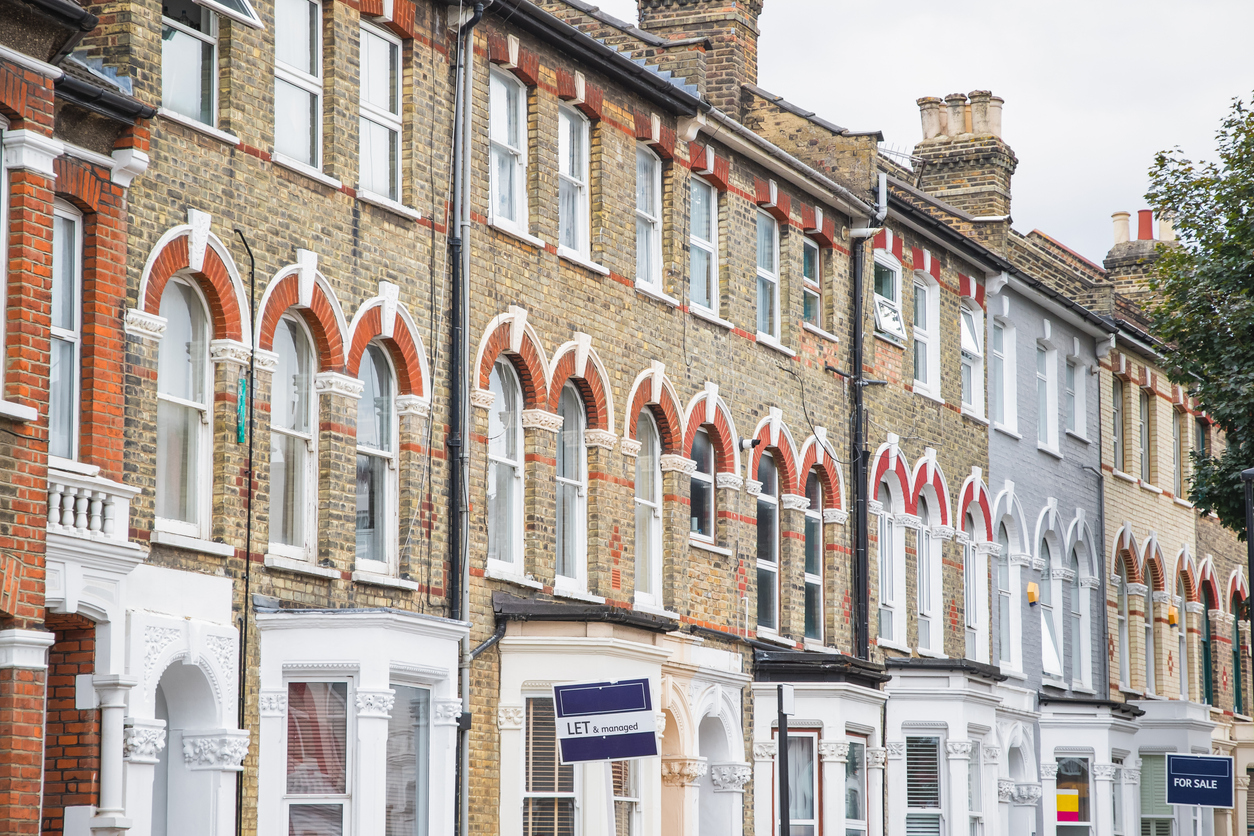 Property & Real Estate Services