Autism and Learning Disability Accommodation - UK Property Guide
Finding suitable autism and learning disability accommodation requires more than simply identifying a property with enough bedrooms. The right accommodation should provide a safe, comfortable and adaptable home environment while supporting independence, accessibility, privacy and appropriate care or support. For landlords, investors, care providers and families across the UK, understanding property requirements is essential when sourcing or adapting accommodation for people with autism and learning disabilities.
What Is Autism and Learning Disability Accommodation?
Autism and learning disability accommodation refers to housing designed, adapted or selected to meet the individual needs of people with autism, learning disabilities, or both.
Depending on the person's needs, this can include an ordinary residential property with suitable adaptations, self-contained supported living accommodation, shared supported housing, or purpose-designed specialist housing.
Supported housing can combine accommodation with care, support or supervision to help residents live as independently as possible. Current government guidance specifically recognises people with learning disabilities and autistic people among those who may require long-term supported housing.
The appropriate model depends on the person's support requirements rather than simply their diagnosis.
What Should Accommodation for Autistic Adults and People With Learning Disabilities Provide?
A suitable property should be considered around the needs of its intended residents.
Important factors can include:
-
Safe and secure entrances
-
Comfortable private bedrooms
-
Accessible bathrooms
-
Practical kitchen facilities
-
Adequate communal space
-
Quiet areas where residents can withdraw
-
Safe outdoor space where appropriate
-
Good natural lighting
-
Manageable noise levels
-
Appropriate heating and ventilation
-
Easy access to local services
-
Suitable transport connections
-
Space for support staff where required
-
Adaptability for future needs
For autistic residents in particular, sensory considerations can be important. Excessive noise, unpredictable movement, harsh lighting or overcrowded communal areas may make some environments unsuitable.
However, there is no single property design that works for every autistic person or person with a learning disability. Accommodation should be assessed around individual needs.
Houses for Autism and Learning Disability Supported Living
A conventional house can sometimes be adapted for supported living.
For example, a property might provide individual bedrooms alongside shared kitchen, dining and living areas. Depending on the support model, residents may have their own tenancy or occupancy arrangements while receiving support from a separate care provider.
Larger houses can sometimes work well where several residents require shared accommodation, but the layout needs careful consideration.
Bedrooms should provide adequate privacy, while communal areas should not become overcrowded. Bathrooms, entrances, kitchens and circulation spaces should also be practical for the residents who will use them.
The suitability of a property should therefore be assessed before agreeing a lease or purchasing a building.
Self-Contained Accommodation
Self-contained flats or houses can be appropriate for people who require greater independence.
A self-contained property may include:
-
Private bedroom
-
Bathroom
-
Kitchen
-
Living area
-
Private entrance
-
Storage
-
Outdoor space where available
Support can then be provided around the resident rather than requiring everyone to share the same living environment.
For some people, this arrangement can provide greater privacy and control over their daily routine while still allowing access to care or support.
Sensory-Friendly Property Requirements
Sensory requirements should be considered early when sourcing autism accommodation.
A property beside a busy main road, railway line, nightclub or other persistent source of noise may be unsuitable for some residents.
Other factors to examine include:
-
Traffic and neighbourhood noise
-
Lighting conditions
-
Echoes within rooms
-
Floor and wall finishes
-
Heating systems
-
Garden privacy
-
Kitchen and bathroom noise
-
Proximity to busy commercial areas
-
Opportunities for quiet time
Local authorities in England are specifically encouraged to consider accessibility and design that meets sensory needs when developing supported housing priorities.
Location Matters
The right property is not necessarily the largest property.
Location can have a significant effect on whether accommodation works in practice. Residents may need convenient access to shops, healthcare, education, employment, leisure facilities, public transport and community services.
For supported living providers, a property that is isolated from essential services may create additional challenges for residents and support workers.
Transport links should therefore be considered alongside the physical characteristics of the building.
Adapting Existing Property
Existing houses and flats can sometimes be converted or adapted to meet specialist accommodation requirements.
Potential works may include:
-
Bathroom adaptations
-
Improved accessibility
-
Additional safety measures
-
Door and entrance modifications
-
Kitchen alterations
-
Improved lighting
-
Acoustic improvements
-
Additional storage
-
Internal reconfiguration
-
Garden improvements
-
Security upgrades
However, refurbishment should be approached carefully. Planning requirements, building regulations, fire safety, licensing and other property considerations may apply depending on the proposed use and location.
A property that appears suitable before refurbishment may become significantly more expensive once structural or compliance requirements are identified.
Buying Property for Autism and Learning Disability Accommodation
Investors and care providers looking to purchase specialist accommodation should assess both the property and the proposed operating model.
Before purchasing, consider:
-
Property size and layout
-
Number of potential residents
-
Local demand
-
Accessibility
-
Planning position
-
Fire safety requirements
-
Potential refurbishment costs
-
Neighbouring properties
-
Transport links
-
Local authority commissioning priorities
-
Long-term maintenance requirements
-
The proposed care or support arrangement
England's current supported housing programme recognises both purpose-designed supported living and designated supported living for working-age disabled people. It also encourages early engagement with local health and adult social care commissioners where schemes include care or support.
Renting Property to Autism and Learning Disability Providers
Landlords may also consider leasing suitable properties to supported living operators or care providers.
Before entering an agreement, landlords should establish exactly how the property will be used.
Questions may include:
-
Who will occupy the property?
-
How many residents will live there?
-
Will staff be present?
-
What support will be provided?
-
Will structural alterations be required?
-
Who will pay for adaptations?
-
Who will maintain the property?
-
What happens when the lease ends?
A specialist property solicitor and relevant professional advisers can help clarify the legal and commercial structure before completion.
Autism and Learning Disability Accommodation in London
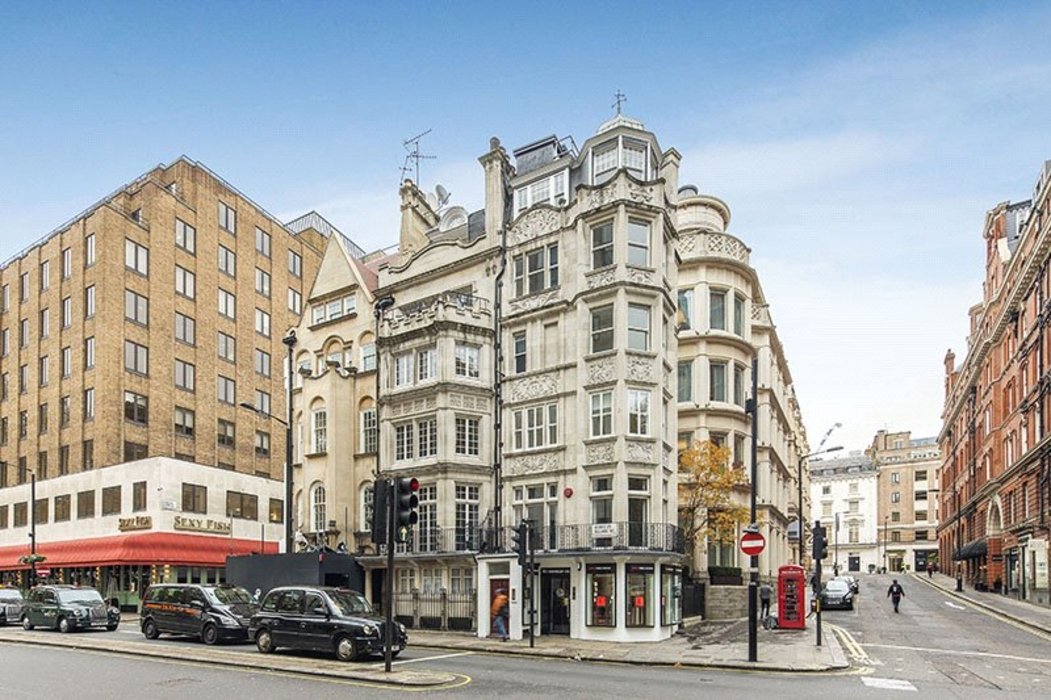
London has a wide range of residential property types that may potentially be adapted for specialist accommodation, from terraced houses and converted flats to larger detached properties.
However, London properties can present particular challenges. Older buildings may require substantial refurbishment, while limited outdoor space, restricted parking, narrow layouts and high property prices can affect suitability.
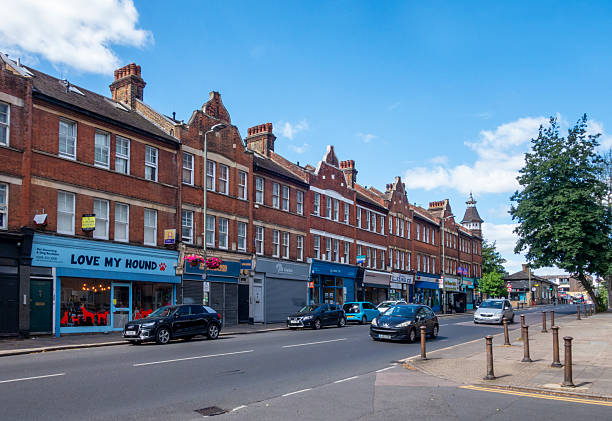
A property in areas such as Croydon, Enfield, Barnet, Hillingdon or Bromley may have very different characteristics from a central London flat.
For investors and operators, the key is matching the property with the intended resident group and support model rather than simply targeting a particular postcode.
Working With Fraser Bond
Fraser Bond can assist landlords, investors, care providers and organisations looking for property suitable for autism and learning disability accommodation.
Our property services can support different stages of the process, including property sourcing, acquisition, lettings, property management, refurbishment coordination and ongoing property requirements.
Where an existing property needs improvement before it can be used effectively, refurbishment and building works can also form part of the wider property strategy.
The objective is to identify property that works commercially while also meeting the practical requirements of the people who will live there.
Finding the Right Property
Autism and learning disability accommodation needs to be considered from both a property and resident perspective.
The best starting point is to establish the intended resident profile, level of support, preferred accommodation model, location requirements and likely adaptations before searching for property.
Whether the requirement is a house for supported living, self-contained accommodation, a property for a care provider or an investment opportunity, Fraser Bond can help assess available property options and coordinate the wider property requirements.