Care Homes Required - Find Care Operators Looking for Property in the UK
Care Homes Required by Operators, Investors and Care Providers - A Practical Guide to Leasing, Selling or Converting Property for Care Use
Property owners searching for “care homes required” are often looking for care operators that need suitable buildings to lease, purchase or convert into residential care facilities. For landlords and investors, this can create an opportunity to place suitable property with an established care provider, subject to planning, regulatory and property requirements.
Care home operators do not simply require any large residential property. They usually need buildings that can accommodate residents safely and comfortably while meeting operational, planning and regulatory requirements.
Fraser Bond can help property owners assess whether their building could be suitable for a care operator and support the process of finding an appropriate commercial arrangement.
What Does Care Homes Required Mean?
The phrase “care homes required” can refer to several different property requirements.
A care provider may be looking for:
-
An existing care home
-
A former care home requiring refurbishment
-
A large residential property suitable for conversion
-
A property with appropriate planning permission
-
A purpose-built care facility
-
A nursing home property
-
A vacant healthcare or residential care building
-
A property to lease on a long-term basis
-
A property to purchase for a new care development
The exact requirements depend on the operator's business model, resident profile, location and regulatory needs.
What Properties Are Suitable for Care Homes?
Care operators typically assess much more than the number of bedrooms.
Important considerations can include:
-
Number and size of bedrooms
-
Number of bathrooms and toilets
-
Communal living and dining areas
-
Kitchen facilities
-
Accessibility
-
Potential for accessible bathrooms
-
Garden or outdoor space
-
Parking
-
Fire safety arrangements
-
Heating and ventilation
-
Electrical systems
-
Building condition
-
Security
-
Transport links
-
Local amenities
-
Potential for future refurbishment
A property does not automatically become suitable for a care home simply because it has several bedrooms. The proposed use, planning position, building requirements and intended service must all be assessed.
Care Homes and Planning Permission
Planning is an important part of any care property transaction.
Residential care homes are generally associated with Use Class C2, which covers residential institutions including residential care homes and nursing homes. However, the correct planning position depends on the existing use, proposed operation and individual property circumstances.
A landlord should therefore establish the property's current planning position before agreeing to lease or sell it to a care operator.
Where a change of use is proposed, the local planning authority should be consulted to establish whether planning permission, prior approval or another form of consent is required.
This is particularly important when a conventional house is being considered for conversion into a care facility.
CQC Requirements for Care Homes
Care home operators in England may need to register with the Care Quality Commission depending on the regulated activities they provide. Carrying on a regulated activity without the required CQC registration is an offence.
CQC describes a care home type service as accommodation provided together with nursing or personal care as a single package. Where accommodation and personal care are provided separately and residents can choose a different care provider, the arrangement may instead fall within supported living or extra care housing.
This distinction matters to property owners because a building marketed simply as a “care property” may be suitable for different types of operators depending on how the service will actually operate.
The legal entity carrying out the regulated activity is responsible for registration rather than the property itself.
What Care Operators Look for in a Property
When a care company is searching for property, it may provide a detailed specification.
For example, an operator might require a 10 to 20-bedroom building in London with:
-
En-suite facilities
-
Communal areas
-
Ground-floor accommodation
-
Outdoor space
-
Parking
-
Accessibility potential
-
Suitable fire safety arrangements
-
Good transport connections
-
Planning potential for residential care
Another operator could have completely different requirements.
A specialist dementia care provider may prioritise accessibility, secure outdoor areas and suitable communal spaces, while another operator may require a larger property capable of accommodating a different resident group.
For this reason, matching the property with the right operator is often more useful than simply advertising the building as a generic care property.
Should You Lease or Sell Your Property to a Care Operator?
Property owners considering the “care homes required” market may have several options.
Long-Term Lease
A landlord may lease the property to a care operator for an agreed period.
The lease should clearly establish responsibilities for:
-
Rent
-
Rent reviews
-
Repairs
-
Maintenance
-
Insurance
-
Refurbishment
-
Alterations
-
Compliance
-
Assignment or subletting
-
Break clauses
-
Reinstatement obligations
The commercial terms should be negotiated carefully rather than assuming that a care operator will accept a standard residential or commercial lease.
Property Sale
Some care operators or investors may prefer to purchase a property rather than lease it.
This can be relevant where the buyer intends to undertake substantial refurbishment, redevelopment or conversion.
A sale may also appeal to an owner who does not want to remain responsible for the building over a long-term lease.
Refurbishment and Conversion
A property may have potential for care use but require significant works.
This could include:
-
Bathroom upgrades
-
Accessibility improvements
-
Fire safety works
-
Electrical upgrades
-
Heating improvements
-
Internal reconfiguration
-
Kitchen refurbishment
-
Communal area improvements
-
External works
-
Security upgrades
CQC guidance also requires premises used by registered providers to be suitable, secure, properly maintained and appropriately located.
Due Diligence Before Accepting a Care Operator
Finding a care company is only the beginning.
A property owner should consider the operator's:
-
Company history
-
Financial position
-
Existing care operations
-
Management experience
-
CQC registration where applicable
-
Registered manager arrangements
-
Business plan
-
References
-
Insurance
-
Proposed use of the property
-
Refurbishment plans
-
Lease requirements
CQC states that organisations and partnerships generally need a registered manager for each regulated activity, subject to applicable exceptions.
The operator's regulatory position should therefore form part of the wider due diligence process.
What If You Own a Large House?
A large house does not necessarily need to already operate as a care home to attract interest from care providers.
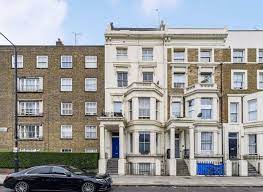
For example, a substantial property in North London may have several bedrooms, multiple bathrooms, generous communal areas and a large garden but currently be used as an ordinary residential property.
An operator may see potential in the building, subject to planning, building regulations, refurbishment costs and regulatory requirements.
Before spending heavily on conversion works, however, it can be sensible to understand what operators actually require. This can prevent an owner from carrying out expensive improvements that do not match the eventual operator's specification.
Finding Care Operators for Your Property
If your property is potentially suitable for a care home, the next step is to identify operators whose requirements match the building.
This can involve reviewing:
-
Location
-
Property size
-
Number of bedrooms
-
Existing use
-
Planning position
-
Condition
-
Lease or sale preference
-
Required refurbishment
-
Intended resident group
-
Operator requirements
A specialist property adviser can help package the opportunity properly and approach relevant care operators or investors.
How Fraser Bond Can Help
Fraser Bond can assist landlords and property owners looking to enter the care property market.
Depending on the property and transaction, this can include assessing the building, identifying its potential, advising on refurbishment and property works, marketing it to appropriate specialist operators, coordinating building requirements and supporting lease or sale negotiations.
For an owner searching for “care homes required”, the objective should not simply be to find any care company. The focus should be on finding an operator whose requirements, business model and proposed use are compatible with the property.
If you own a property that could be suitable for a care home, nursing facility or related specialist accommodation, Fraser Bond can help you assess the opportunity and plan the next stage.