Chimney Repair London - Professional Chimney Repairs and Restoration Services
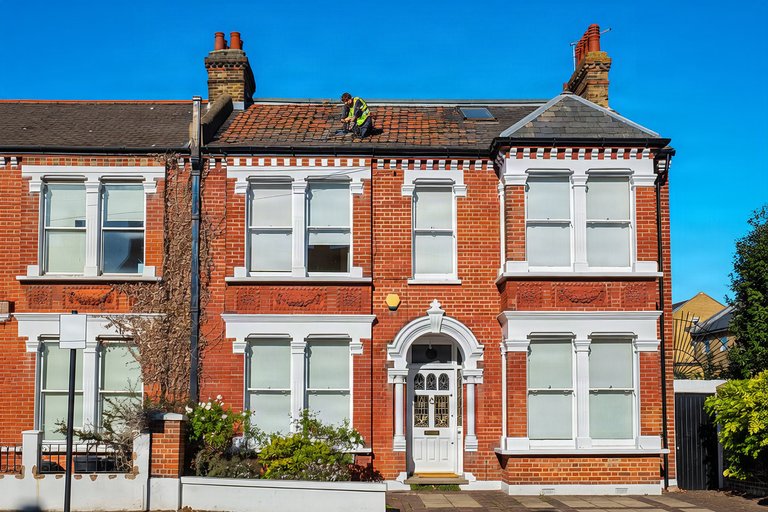
Chimney repair in London is an essential property-maintenance service for homeowners, landlords, freeholders and investors responsible for traditional and modern buildings. From Victorian and Edwardian terraces to Georgian townhouses, converted flats and mansion blocks, London's chimney stacks are exposed to continuous weathering that can gradually affect masonry, mortar, lead flashing and structural stability.
Professional chimney repair services can include chimney repointing, lead flashing replacement, chimney pot repairs, flaunching restoration, leak investigation and partial chimney rebuilding. The appropriate repair depends on the age, condition and construction of the chimney, as well as whether it remains connected to a working fireplace or flue.
For property owners, Fraser Bond supports property management, lettings, sales, investment advisory and wider London real estate services through FraserBond.com.
Professional Chimney Repair Services in London
Chimney stacks are among the most exposed parts of a building.
Their position above roof level makes them vulnerable to rain, wind, temperature changes and long-term deterioration.
Problems can develop within the chimney masonry itself or at the junction between the chimney and surrounding roof covering.
A professional inspection should identify the cause of the defect before repairs begin.
Where deterioration is localised, targeted repairs may be sufficient. More extensive masonry damage or structural movement can require specialist assessment and partial rebuilding.
Common Chimney Problems in London Properties
London's older housing stock contains numerous brick chimney stacks that have been exposed to the elements for generations.
Common defects include deteriorated mortar joints, cracked bricks, loose chimney pots, damaged flaunching, defective lead flashing and water penetration around chimney breasts.
Some chimneys also suffer from previous inappropriate repairs, including incompatible mortar or poorly installed weatherproofing.
Identifying the underlying cause is important because applying sealant to a visible crack may not resolve the actual problem.
Chimney Leak Repairs London
Water penetration around chimney stacks can damage ceilings, plasterwork, roof timbers and internal decorations.
A leak may originate from defective flashing, deteriorated masonry, damaged chimney crowns or the surrounding roof covering.
Water can travel through the roof structure before becoming visible internally.
Consequently, a damp patch near a chimney breast does not necessarily identify the precise entry point.
Professional investigation should assess both the chimney and adjoining roof before recommending repairs.
Chimney Repointing London
Chimney repointing involves removing deteriorated mortar from joints between bricks and replacing it with suitable new mortar.
This work can help restore weather resistance and prevent further masonry deterioration.
Traditional London chimneys may contain relatively soft historic brickwork and lime-based mortar. Repairs should be compatible with the original construction.
Historic England advises that unsuitable repointing can damage historic masonry and that sound original mortar should generally be retained rather than removed unnecessarily.
A competent contractor should therefore assess whether the chimney requires localised repointing or more extensive masonry repairs.
Lead Flashing Repairs Around Chimneys
Lead flashing forms an important waterproof junction between chimney masonry and the surrounding roof covering.
Defective flashing can allow rainwater to enter even when the chimney brickwork remains in satisfactory condition.
Repair work may involve replacing damaged sections, renewing stepped flashing or correcting poorly installed details.
The surrounding slate or tiled roof should also be inspected because water penetration can originate from more than one defect.
On period properties, traditional leadwork can be particularly appropriate where it matches the original construction.
Chimney Stack Repairs London
Chimney stacks can deteriorate through weather exposure, moisture penetration and structural movement.
Problems may include loose bricks, cracked masonry, leaning stacks and damaged chimney pots.
Minor defects may be repairable without dismantling the chimney.
However, substantial structural deterioration can require partial rebuilding or specialist engineering assessment.
Historic England recommends obtaining professional investigation where there are concerns about a chimney's structural integrity or watertightness.
Chimney Pot Repairs and Replacement
Chimney pots remain prominent features of many London rooflines.
They can become damaged or unstable when surrounding mortar deteriorates.
Repair work may involve replacing cracked pots, renewing their bedding or restoring the surrounding flaunching.
Where a chimney serves an active fireplace or heating appliance, replacement components must also be suitable for the flue arrangement.
On historic properties, retaining original chimney pots can help preserve architectural character.
Chimney Flaunching Repairs
Flaunching is the mortar or other suitable material surrounding chimney pots at the top of a stack.
It helps secure the pots and shed rainwater away from vulnerable areas.
Over time, flaunching can crack or deteriorate.
Defective flaunching may allow moisture into the chimney structure, contributing to internal damp and masonry damage.
Repair work should consider the condition of the chimney pots and underlying brickwork rather than simply covering visible cracks.
Chimney Crown Repairs
Some chimney designs incorporate a crown or coping that protects the upper masonry.
Cracking and deterioration can allow water to penetrate the chimney.
The appropriate repair depends on the existing construction and materials.
A contractor should determine whether local repairs are sufficient or whether the upper chimney assembly requires more extensive refurbishment.
Emergency Chimney Repairs London
Storm damage or severe masonry deterioration can create urgent safety concerns.
Loose chimney pots, falling bricks and unstable chimney stacks may endanger occupants, pedestrians and neighbouring properties.
Emergency work should prioritise making the area safe.
Temporary protection may be necessary while permanent repairs are arranged.
The Health and Safety Executive states that roof work must be properly planned and undertaken by competent people using suitable precautions.
Property owners should not attempt to access unstable chimneys themselves.
Chimney Repairs for Victorian and Edwardian Houses
Victorian and Edwardian houses account for a substantial proportion of London's traditional residential stock.
These properties frequently feature brick chimney stacks, clay chimney pots, slate roofing and lead flashing.
Repair work should reflect the building's age and original materials.
Inappropriate modern repairs can sometimes accelerate deterioration, particularly where hard mortar is used on softer historic brickwork.
Historic England emphasises the importance of compatible materials and appropriate techniques when repairing older masonry.
Chimney Repairs for Georgian Properties
Georgian buildings often contain distinctive chimney stacks that contribute to their architectural appearance.
These may require careful masonry repairs, repointing and restoration of traditional detailing.
Where the property is listed or situated within a conservation area, alterations may require additional approval.
Retaining sound historic materials can be preferable to unnecessary rebuilding.
Chimney Repair in London Conservation Areas
London contains numerous conservation areas where chimney stacks contribute to the character of streets and roofscapes.
Significant changes to chimney height, appearance or materials may raise planning considerations.
Owners should check the requirements applying to their individual property before making substantial changes.
Chimney Repairs for Listed Buildings
Listed buildings require particular care when chimney repairs affect historic fabric.
Routine compatible maintenance may be possible without consent, but alterations that affect the building's special architectural or historic interest can require listed building consent.
Historic England advises that removing chimney pots or dismantling chimney stacks on listed buildings requires consent.
Specialist heritage contractors may be appropriate for traditional brickwork, lime mortar and historic chimney details.
Chimney Repairs Across London
Chimney repair requirements vary across London's residential neighbourhoods.
In West London, including Chelsea, Fulham, Hammersmith and Kensington, traditional townhouses and converted period properties frequently retain prominent chimney stacks.
In North London, areas such as Hampstead, Highgate and Islington contain historic houses where architectural preservation can influence repair methods.
Across East London, including Hackney, Bow, Bethnal Green and Walthamstow, Victorian terraces often require chimney repointing, flashing repairs and general masonry maintenance.
In South London, neighbourhoods such as Clapham, Dulwich, Greenwich and Wimbledon contain extensive period housing with traditional chimney construction.
The appropriate repair method should reflect the individual building rather than relying solely on its location.
Roof and Chimney Repairs
Chimney defects frequently overlap with roofing problems.
Water penetration may occur where chimney flashing meets slate, tiles or flat roofing membranes.
A comprehensive inspection should therefore consider both the chimney and surrounding roof.
Repairing only the chimney masonry may not resolve a leak caused by defective flashing.
Similarly, replacing damaged roof tiles may not address water entering through deteriorated mortar joints.
Coordinated roof and chimney repairs can reduce the likelihood of repeated work.
Chimney Repairs for London Landlords
Landlords should investigate chimney defects promptly.
Water penetration can damage internal plaster, decorations and structural components.
Loose masonry can also create safety concerns.
Professional property management can help coordinate inspections, obtain quotations and arrange suitable repair work.
For overseas landlords, local management support can be particularly useful where chimney repairs require scaffolding or ongoing supervision.
Chimney Repairs for Apartment Buildings
Converted houses and apartment blocks may contain shared chimney stacks.
Responsibility for maintenance depends on the leases and building ownership arrangements.
Freeholders, Residents Management Companies and Right to Manage companies may need to coordinate communal chimney repairs.
Larger projects can require professional surveys, scaffolding and contractor procurement.
Where costs are recoverable through service charges, applicable lease provisions and statutory requirements should be considered.
Chimney Repair or Chimney Removal?
Some property owners consider removing unused chimneys instead of repairing them.
However, chimney removal can introduce structural, planning and heritage considerations.
Historic England advises that chimney stacks can fulfil structural functions and that removing internal chimney breasts requires structural engineering advice and Building Control approval.
In terraced and semi-detached properties, shared structures and party-wall considerations may also be relevant.
A chimney should not be removed simply because its fireplace is no longer in use.
Chimney Flue Repairs
A chimney stack and its internal flue serve different but related functions.
External masonry repairs address the physical structure, while flue repairs concern the safe passage of combustion gases.
Where an active fireplace or stove is connected, flue condition is particularly important.
The Planning Portal confirms that installing a flue is subject to Building Regulations and should be undertaken by a suitably qualified installer.
Owners should not assume that repairing external brickwork automatically makes an existing flue safe to use.
Chimney Repair Costs London
The cost of chimney repairs depends on the extent of deterioration, property height, accessibility and materials required.
Local repointing or minor flashing repairs may involve considerably less work than rebuilding a damaged chimney stack.
Scaffolding can represent a substantial part of the overall expenditure, particularly on taller London properties.
Specialist heritage materials and structural repairs may also influence costs.
Property owners should obtain written quotations following an appropriate inspection rather than relying solely on generic pricing.
Choosing Chimney Repair Contractors in London
Selecting a competent contractor is important because chimney repairs involve masonry, roofing and working at height.
A quotation should explain the identified defect, proposed repair method, materials and access arrangements.
Owners should consider relevant experience, insurance, workmanship guarantees and whether specialist structural advice is necessary.
For period or listed buildings, experience with traditional masonry and compatible mortar can be particularly valuable.
The Health and Safety Executive advises that working at height should be planned, supervised and undertaken by competent people using suitable equipment.
Preventative Chimney Maintenance
Routine inspection can help identify deterioration before extensive repairs become necessary.
Chimney stacks should be assessed for damaged mortar, cracked bricks, unstable pots and defective flashing.
Owners should also investigate recurring damp around chimney breasts.
Historic England notes that dampness in chimneys can result from rainwater penetration, blocked flues, condensation and deteriorated masonry.
Identifying the correct cause is essential because not every damp chimney requires external repointing.
Chimney Repairs for Property Investors
Chimney condition can affect property investment expenditure.
A building with several deteriorated chimney stacks may require significant capital investment.
Buyers should review building surveys carefully and investigate visible defects before completing a purchase.
For leasehold properties, responsibility for communal chimney maintenance should also be established.
Planned inspections and maintenance can help investors manage future expenditure and reduce the risk of unexpected repair costs.
Chimney Repair London with Fraser Bond
Professional chimney repair in London helps protect buildings from water penetration, masonry deterioration and potential structural hazards.
The correct repair depends on the condition of the chimney stack, mortar joints, flashing, pots and surrounding roof.
Localised defects may be resolved through repointing or targeted repairs, while extensive deterioration can require partial rebuilding or specialist assessment.
For historic properties, material compatibility and architectural preservation are particularly important. Historic England recommends retaining significant chimney features and using appropriate repair methods that respect traditional construction.
Fraser Bond supports London homeowners, landlords, freeholders, investors and developers with property management, sales, lettings and wider real estate advisory services.
Whether you are investigating a leaking chimney, arranging chimney repointing, planning masonry restoration or assessing maintenance costs across a London property portfolio, visit FraserBond.com to explore professional London property services.