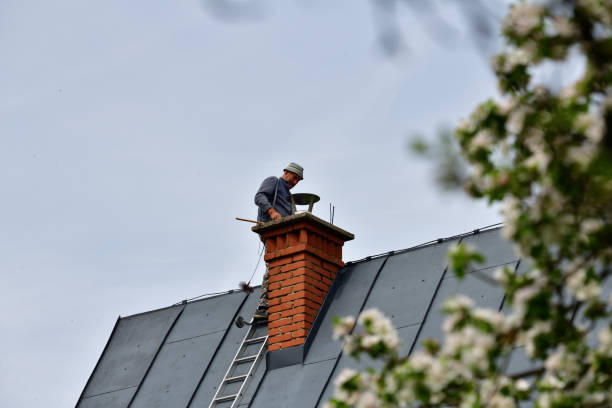
Roof and Chimney Repair - Professional Roofing and Chimney Maintenance in the UK
Roof and chimney repair is essential for protecting residential and commercial properties from water penetration, structural deterioration and weather-related damage. Roof coverings, chimney stacks, lead flashing, mortar joints and drainage systems work together to keep buildings watertight. When one component deteriorates, it can affect the performance of the entire roofing system.
Across the UK, particularly in London and other cities with extensive Victorian and Edwardian housing, chimney stacks remain prominent architectural features. Ageing masonry, defective leadwork, damaged roof tiles and deteriorated mortar can create leaks that require specialist attention.
For homeowners, landlords, freeholders and property investors, professional roof and chimney repairs can help preserve building condition, manage maintenance expenditure and protect long-term property value.
Fraser Bond supports UK property owners with property management, lettings, sales, investment advisory and wider real estate services through FraserBond.com.
Professional Roof and Chimney Repair Services
Roof and chimney repair services address defects affecting the roof covering, chimney structure and the junction between them.
A professional assessment should establish whether water penetration originates from damaged tiles, slipped slates, deteriorated chimney flashing, defective masonry or another part of the roof.
Repair work may involve replacing roofing materials, renewing lead flashing, repointing chimney brickwork, repairing chimney crowns or addressing structural instability.
The objective is to correct the underlying defect rather than applying temporary sealants that may conceal continuing deterioration.
Common Roof and Chimney Problems
Roofs and chimneys experience continuous exposure to rainfall, wind, temperature changes and general weathering.
Common defects include:
-
Slipped, cracked or missing roof tiles and slates.
-
Damaged or incorrectly installed chimney flashing.
-
Deteriorated mortar joints and loose chimney brickwork.
-
Cracked chimney crowns, flaunching or damaged chimney pots.
-
Leaks around the junction between the chimney and roof.
-
Blocked gutters and defective roof drainage.
-
Water penetration affecting roof timbers, insulation and internal ceilings.
Some problems can be resolved through localised repairs, while more extensive deterioration may require partial rebuilding or broader roof refurbishment.
Chimney Leak Repair
Water penetration around chimney stacks is a common problem in older properties.
A chimney passes through the roof covering, creating junctions that require effective weatherproofing.
Leaks may develop when flashing deteriorates, mortar joints fail or the chimney's upper surfaces allow water into the masonry.
Internal damp patches around chimney breasts do not always indicate the exact source of the problem.
A roofing contractor should inspect the chimney and surrounding roof before recommending repairs.
Lead Flashing Repairs
Lead flashing is commonly used to waterproof the junction between chimney stacks and pitched roofs.
Correctly installed flashing helps prevent rainwater from entering gaps between the roof covering and masonry.
Over time, flashing can become damaged, displaced or affected by movement in the surrounding construction.
Repair work may involve renewing defective sections, correcting poorly formed details or replacing an inadequate installation.
The proposed method should be appropriate to the existing roof and chimney construction.
Chimney Repointing
Mortar joints between chimney bricks can deteriorate through prolonged exposure to weather.
When mortar becomes loose or eroded, rainwater may penetrate the chimney structure.
Repointing involves removing defective mortar to an appropriate depth and replacing it with a suitable mortar.
For historic buildings, compatibility with the original brickwork is important. An excessively hard mortar can sometimes contribute to deterioration of softer traditional masonry.
A competent contractor should assess the condition of the bricks as well as the mortar before recommending repointing.
Chimney Stack Repairs
A chimney stack may require more extensive repairs where masonry has cracked, become unstable or deteriorated significantly.
Problems can include loose bricks, leaning sections, damaged chimney pots and defective flaunching.
Minor defects may be repairable without dismantling the entire stack.
However, substantial structural deterioration can require partial rebuilding or specialist assessment.
Loose masonry at roof level can create a safety hazard, particularly where the chimney overlooks a public pavement, neighbouring property or access area.
Chimney Crown and Flaunching Repairs
The upper part of a chimney is especially exposed to rainfall.
Flaunching is the mortar or other suitable material around chimney pots that helps secure them and shed water.
Cracked or deteriorated flaunching can allow moisture to enter the chimney structure.
Repair work should address the condition of the upper chimney assembly rather than treating visible cracks without assessing the surrounding masonry.
Chimney Pot Repairs and Replacement
Chimney pots contribute to the appearance and function of traditional chimney stacks.
They can become damaged or unstable as surrounding mortar deteriorates.
Where replacement is necessary, the selected pot should be appropriate to the chimney and any operational flue requirements.
On period or listed properties, the original chimney pots may also contribute to architectural character.
Owners should therefore consider conservation requirements before making visible changes to historic chimney features.
Roof Tile Repairs Around Chimneys
Damaged tiles near chimney stacks can create water penetration even when the chimney itself remains sound.
Tiles may crack, slip or become displaced through age, weather exposure or previous roofing work.
Replacing individual damaged tiles can often restore weather protection where the surrounding roof remains serviceable.
However, recurring leaks may require investigation of the underlying battens, underlay and flashing details.
Slate Roof and Chimney Repairs
Natural slate roofs are common on Victorian and Edwardian properties.
Individual slates can become detached or damaged, particularly around roof penetrations and junctions.
Chimney repair on a slate roof requires careful handling of the surrounding covering to avoid creating additional damage.
Where original slate remains in good condition, targeted repair may be preferable to unnecessary replacement of large roof areas.
Flat Roof and Chimney Repairs
Some chimney structures and flues pass through flat roofing systems.
These penetrations require carefully designed waterproofing details.
Leaks can occur where membranes separate from upstands, flashing deteriorates or movement affects the junction.
The repair method depends on whether the existing waterproofing system is bituminous, EPDM, single ply or another material.
Compatible materials and appropriate detailing are essential to achieving a durable repair.
Emergency Roof and Chimney Repairs
Storm damage can dislodge tiles, flashing, chimney pots and loose masonry.
Emergency work may be required to make the building safe and prevent further water penetration.
Where a chimney appears structurally unstable, access to affected areas may need to be restricted until a competent professional has assessed the risk.
Temporary weatherproofing can sometimes reduce immediate damage while permanent repairs are planned.
Property owners should avoid attempting unsafe access to damaged roofs or chimney stacks.
Roof and Chimney Repairs for Period Properties
Historic properties often contain traditional chimney stacks, slate roofing, clay tiles and leadwork.
These features can be important to the building's architectural character.
Repair methods should therefore consider the original construction and compatibility of replacement materials.
For listed buildings and properties within conservation areas, substantial alterations may require additional consent.
Like-for-like maintenance and alterations that materially change a protected building should not automatically be treated as equivalent projects.
Chimney Repairs in Conservation Areas
Many London properties are situated within conservation areas where rooflines and chimney stacks contribute to local character.
Visible alterations to chimney height, materials, pots or roof form can raise planning considerations.
Property owners should check the applicable local authority requirements before undertaking significant changes.
Where the chimney is an important historic feature, retaining and repairing the existing structure may be preferable to unnecessary removal.
Roof and Chimney Repair for Landlords
Landlords should investigate roofing and chimney defects promptly.
Water penetration can damage ceilings, plaster, insulation, structural timbers and internal decoration.
Deteriorating chimney masonry can also create safety concerns.
For rental properties, repair planning should account for tenant access, contractor safety and any temporary disruption.
Professional property management can help coordinate inspections, quotations and repair work.
Roof and Chimney Repairs for Apartment Buildings
Converted houses and apartment blocks can contain shared chimney stacks and communal roof structures.
Responsibility for repairs depends on the leases and ownership arrangements.
Freeholders, Residents Management Companies and Right to Manage companies may need to coordinate repairs where the roof or chimney forms part of the communal structure.
Significant projects can require scaffolding, professional surveys and contractor procurement.
Where repair costs are recoverable through service charges, the applicable lease provisions and statutory requirements should be considered.
Roof and Chimney Repairs for Property Investors
Roof and chimney condition should form part of property-investment due diligence.
A building with deteriorated chimney stacks may require substantial expenditure beyond straightforward roof maintenance.
Buyers should review building surveys carefully, particularly where defects involve unstable masonry, recurring leaks or extensive previous repairs.
Where significant concerns are identified, a specialist assessment can help establish likely repair costs before purchase.
For existing portfolios, planned maintenance can reduce the risk of unexpected capital expenditure.
Roof and Chimney Repair Costs
The cost of roof and chimney repairs varies according to the defect, property height, access requirements and extent of deterioration.
Replacing a small section of flashing can be considerably less expensive than rebuilding an unstable chimney stack.
Scaffolding may represent a significant proportion of the total cost, particularly on taller buildings.
Owners should obtain written quotations that identify the proposed work, materials, access arrangements and exclusions.
Where substantial structural work is required, professional assessment may be appropriate before accepting a contractor's proposal.
Repairing or Removing a Chimney
Some property owners consider removing an unused chimney instead of continuing to maintain it.
However, chimney removal can involve structural, planning and building-control considerations.
The chimney may provide support to other building elements, and sections may remain within neighbouring or adjoining properties.
On listed buildings or within conservation areas, removal may also affect protected architectural character.
A chimney should therefore not be removed solely because it is no longer used for an active fireplace.
Chimney Repairs and Party Walls
Chimneys can form part of shared structures in terraced and semi-detached properties.
Work affecting a party wall or shared chimney may fall within the Party Wall etc. Act 1996 in England and Wales.
The applicability of the legislation depends on the nature of the proposed work.
Where substantial rebuilding, cutting or structural alteration is planned, owners should establish whether notice or other procedures are required before construction begins.
Preventative Roof and Chimney Maintenance
Routine maintenance can identify deterioration before major repairs become necessary.
Roof inspections can reveal damaged coverings, defective flashing, eroded mortar and unstable chimney details.
Gutters and drainage outlets should also be checked because overflowing rainwater can contribute to deterioration of surrounding building fabric.
For landlords and investors, maintaining inspection and repair records can help forecast future maintenance expenditure.
Choosing Roof and Chimney Repair Contractors
Roof and chimney repairs should be undertaken by contractors with experience relevant to the building and proposed work.
Traditional masonry repairs and lead flashing require different expertise from modern flat-roof membrane installation.
Owners should confirm that quotations explain the cause of the defect, the repair method and any associated work.
Contractor insurance, access arrangements, workmanship guarantees and relevant experience should also be considered.
Where a chimney is structurally unstable or the building is historically significant, specialist professional input may be necessary.
Roof and Chimney Repair with Fraser Bond
Professional roof and chimney repair helps protect UK properties from water penetration, masonry deterioration and avoidable structural damage.
The correct solution depends on the condition of the roof covering, chimney stack, flashing, mortar joints and surrounding construction.
Localised defects may be resolved through targeted repairs, while extensive deterioration can require chimney rebuilding or broader roof refurbishment.
For landlords and property investors, roof and chimney maintenance should form part of a planned approach to protecting building condition and managing long-term expenditure.
Fraser Bond supports homeowners, landlords, freeholders, investors and developers with property management, lettings, sales and wider real estate advisory services.
Whether you are investigating a chimney leak, planning roof repairs or assessing maintenance costs across an investment property portfolio, visit FraserBond.com to explore professional UK property services.