Cleaning an Iron Plate – How to Clean a Soleplate Safely
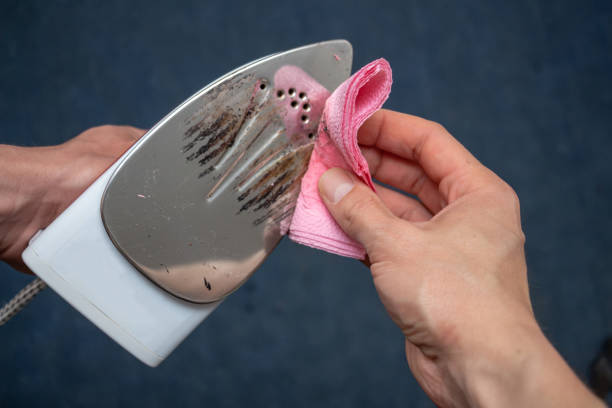
Cleaning an iron plate, more accurately called the soleplate, can remove burnt fabric residue, starch, limescale deposits and other marks that may otherwise transfer onto clothing.
The safest cleaning method depends on the iron's manufacturer and soleplate material. Philips, for example, recommends unplugging the iron, allowing it to cool and cleaning the soleplate with a damp cloth and non-abrasive liquid cleaner; it warns against abrasive cleaners and metal scouring pads because they can damage the surface.
Through FraserBond.com, homeowners, landlords and property managers can explore domestic cleaning, appliance cleaning and property-maintenance services across London and the UK.
How to Clean an Iron Plate
For ordinary dirt and light residue:
- Unplug the iron.
- Allow it to cool according to the manufacturer's instructions.
- Wipe the soleplate with a soft, damp cloth.
- For stubborn marks, use only a non-abrasive cleaner permitted by the manufacturer.
- Wipe away all cleaning residue.
- Let the iron dry before reconnecting it to electricity.
Avoid immersing the iron in water.
How to Clean a Burnt Iron Plate
A burnt soleplate can develop when synthetic material, transfers or other residues melt onto a hot iron.
Do not immediately scrape the surface with a knife or other metal object. Scratching a coated soleplate can permanently damage it.
Instead:
- Unplug the iron.
- Allow it to cool.
- Wipe away loose residue.
- Use the manufacturer's recommended soleplate cleaner if necessary.
- Repeat gently rather than aggressively scraping.
Tefal similarly advises against abrasive or metallic products when cleaning a soleplate and recommends following the cleaning method appropriate to the model.
Cleaning a Sticky Iron Plate
A sticky soleplate may result from:
- Melted synthetic fibres
- Fabric treatments
- Starch
- Printed transfers
- Excessive ironing temperature
- Cleaning-product residue
Start with a damp microfibre or other soft cloth.
If the residue remains, check the appliance manual before using vinegar, baking soda, solvents or specialist products. Internet cleaning methods are not universally safe for every soleplate coating.
Can You Clean an Iron With Baking Soda?
Baking soda is frequently suggested as a DIY iron cleaner, but it is mildly abrasive.
That makes it inappropriate for some coated or delicate soleplates. Manufacturers commonly caution against abrasive cleaning products.
If your iron manufacturer does not specifically approve it, a soft cloth and an approved non-abrasive cleaner are the safer starting point.
Can You Use Vinegar to Clean an Iron?
Vinegar is another popular household cleaning recommendation, but it should not automatically be poured into an iron.
Some manufacturers specifically warn against putting vinegar, descaling agents or other chemicals into the water tank because they can damage the appliance. Philips, for example, instructs users not to put vinegar or other descaling agents into the water tank of relevant models.
For internal descaling, follow the manufacturer's instructions for your exact model.
How to Clean Iron Steam Holes
Residue around the steam vents can interfere with steam distribution.
With the iron unplugged and cool, clean accessible residue carefully using a soft cloth or other method specifically recommended by the manufacturer.
Do not:
- Insert metal objects deeply into the steam holes.
- Flood electrical parts with water.
- Use harsh chemicals without checking compatibility.
- Dismantle the iron.
Many modern steam irons have dedicated Calc-Clean, Self-Clean or anti-scale functions, and these should be used according to the appliance manual.
How to Remove Limescale From an Iron
Hard-water deposits can accumulate inside some steam irons.
Possible symptoms include:
- White particles
- Brown marks
- Reduced steam
- Water spitting
- Scale around steam vents
The correct descaling method varies significantly by model.
Some irons use a self-clean cycle, while others incorporate scale collectors or cartridges. Using an unapproved descaling chemical can damage internal components.
Check the model's instructions rather than applying a universal vinegar-and-water solution.
Why Is My Iron Leaving Brown Marks?
Brown marks can be caused by:
- Burnt residue on the soleplate
- Internal deposits
- Contaminated water
- Scale
- Fabric residue
If cleaning the external soleplate does not solve the problem, check the manufacturer's instructions for cleaning and descaling the steam system.
Do not continue ironing valuable garments while the appliance is depositing marks.
How to Clean Melted Fabric From an Iron
If synthetic material has melted onto the plate:
- Stop ironing.
- Disconnect the appliance.
- Follow the manufacturer's soleplate-cleaning procedure.
- Avoid sharp metal scrapers.
- Avoid abrasive scourers.
- Test the iron on an old piece of fabric after cleaning.
The objective is to remove the deposit without scratching or stripping the soleplate coating.
Cleaning a Ceramic Iron Soleplate
Ceramic and ceramic-coated soleplates should be treated carefully.
Avoid:
- Steel wool
- Metal scourers
- Knives
- Abrasive powders
- Aggressive scraping
Scratches or coating damage cannot simply be cleaned away.
Use a soft cloth and manufacturer-approved cleaning method instead.
Cleaning a Stainless-Steel Iron Plate
Stainless-steel soleplates may tolerate different cleaning methods from coated surfaces, but this does not mean every abrasive cleaner is suitable.
Check the appliance instructions first, particularly if the manufacturer uses a proprietary surface treatment.
Toothpaste for Cleaning an Iron
Toothpaste is another widely circulated cleaning hack.
However, many toothpastes contain abrasive ingredients. Because iron manufacturers commonly advise against abrasive soleplate cleaners, toothpaste should not be treated as a universally safe solution.
Use the manufacturer's recommended cleaning method instead.
Salt for Cleaning an Iron Plate
Running a hot iron over salt is sometimes recommended online.
This can be unsuitable for some soleplate coatings and can introduce particles into steam openings.
For an expensive ceramic, coated or specialist soleplate, avoid experimenting with abrasive household methods unless the manufacturer specifically recommends them.
How to Prevent an Iron Plate Getting Dirty
Prevention is easier than removing heavily burnt residue.
Useful habits include:
- Use the correct temperature for each fabric.
- Be particularly careful with synthetics.
- Avoid ironing directly over printed transfers.
- Clean residue before it builds up.
- Use the appropriate water specified by the manufacturer.
- Empty or store the iron according to its instructions.
- Descale at the recommended intervals.
Excessive temperature is a common reason fabric and treatments stick to a soleplate.
Cleaning an Iron After Using Starch
Starch and fabric treatments can leave a sticky film.
Clean the soleplate regularly rather than repeatedly heating the residue, which can make it increasingly difficult to remove.
If you regularly use starch, check whether the iron manufacturer provides specific cleaning recommendations.
When Should You Replace the Iron?
Cleaning may not solve problems caused by physical damage.
Consider professional assessment or replacement if:
- The soleplate coating is peeling.
- The electrical cable is damaged.
- The iron leaks excessively.
- It repeatedly trips the electricity.
- There is a burning electrical smell.
- It sparks or crackles.
- Temperature control is unreliable.
Electrical Safety First advises checking appliances for signs such as damaged cables, burn marks, buzzing or crackling and stopping use where there are safety concerns.
Iron Cleaning Safety
Because an iron combines electricity, high temperatures, steam and water, basic precautions are important.
Always:
- Disconnect it before routine cleaning.
- Allow it to cool as directed.
- Keep water away from electrical connections.
- Never immerse the appliance.
- Avoid dismantling the casing.
- Follow the manufacturer's model-specific instructions.
If the appliance appears electrically defective rather than simply dirty, cleaning is not an appropriate repair.
How Fraser Bond Can Help
Through FraserBond.com, homeowners, landlords and property managers can explore services relating to:
- Domestic cleaning
- Deep cleaning
- Appliance cleaning
- End of tenancy cleaning
- Kitchen cleaning
- Laundry and housekeeping
- Serviced accommodation cleaning
- Property maintenance
For landlords and property managers, appliance cleaning can also form part of a wider end-of-tenancy or move-in property clean.
Best Way to Clean an Iron Plate
For most irons, the safest starting point is straightforward: unplug the appliance, allow it to cool and gently wipe the soleplate using a soft damp cloth and a manufacturer-approved non-abrasive cleaner where necessary.
Avoid automatically reaching for baking soda, toothpaste, salt, metal scourers or vinegar. The appropriate method depends on the soleplate coating and the manufacturer's instructions.
Visit FraserBond.com to explore domestic cleaning, appliance cleaning and professional property-cleaning services across London and the UK.