Dementia Residential Care Property: Finding Suitable UK Care Accommodation
A practical guide for care operators, investors, developers, landlords and property buyers assessing dementia residential care property across London and the UK
What Is Dementia Residential Care Property?
Dementia residential care property refers to a building used, or capable of being adapted, to provide residential accommodation and care for people living with dementia.
These properties are different from ordinary residential investments because the building needs to support both accommodation and a specialist care environment. Bedrooms, bathrooms, communal spaces, staff areas, accessibility, fire safety, outdoor areas and operational facilities all need to work together.
A dementia residential care property may be:
-
An operating residential care home
-
A former dementia care home
-
A nursing or residential care facility
-
A purpose-built specialist care property
-
A large residential building suitable for conversion
-
A vacant healthcare or care property
-
A redevelopment opportunity
The right property depends on the operator's care model, intended resident group, location, planning position and required level of adaptation.
Why Buyers Look for Dementia Residential Care Property
Care operators and healthcare investors may look for specialist residential properties that can accommodate people living with dementia in a suitable environment.
An appropriate property can provide dedicated accommodation while supporting:
-
Personal care
-
Daily living activities
-
Social interaction
-
Dining
-
Recreation
-
Family visits
-
Staff support
-
Safe outdoor access
-
Appropriate supervision
The physical environment should complement the care model rather than simply provide a collection of bedrooms.
Existing Care Home or Conversion Property?
There are two broad routes when searching for dementia residential care property.
An existing care home may already have bedrooms, communal areas, accessible bathrooms, kitchens, staff facilities and fire safety infrastructure. This can make it easier to assess the building against a proposed care model, although older properties may still require substantial refurbishment.
A conversion opportunity can provide more flexibility. Former care homes, larger houses, hotels and other buildings may potentially be adapted, subject to planning, building regulations and technical feasibility.
The cost of conversion should be assessed before purchase. A lower acquisition price can quickly be offset by extensive structural, accessibility, fire safety or mechanical and electrical works.
Dementia-Friendly Property Layout
The internal layout is one of the most important considerations when assessing a dementia residential care property.
Resident Bedrooms
Bedrooms should provide appropriate space for residents and staff, with sufficient circulation for mobility aids and any equipment required.
Buyers should examine room dimensions, natural light, ventilation, privacy, accessibility and proximity to communal areas.
Bathrooms and Wet Rooms
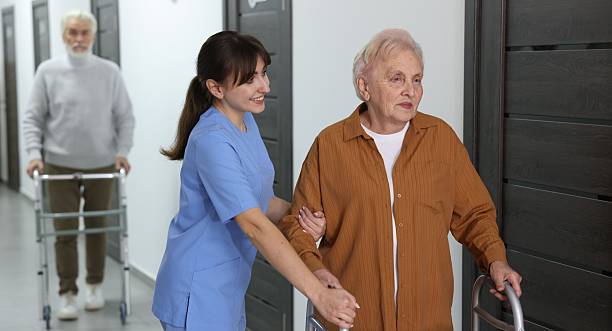
Bathrooms need to be accessible and practical for residents who may have reduced mobility.
The property should be assessed for assisted bathrooms, wet rooms, accessible fixtures, circulation space and the potential cost of adapting existing facilities.
Communal Spaces
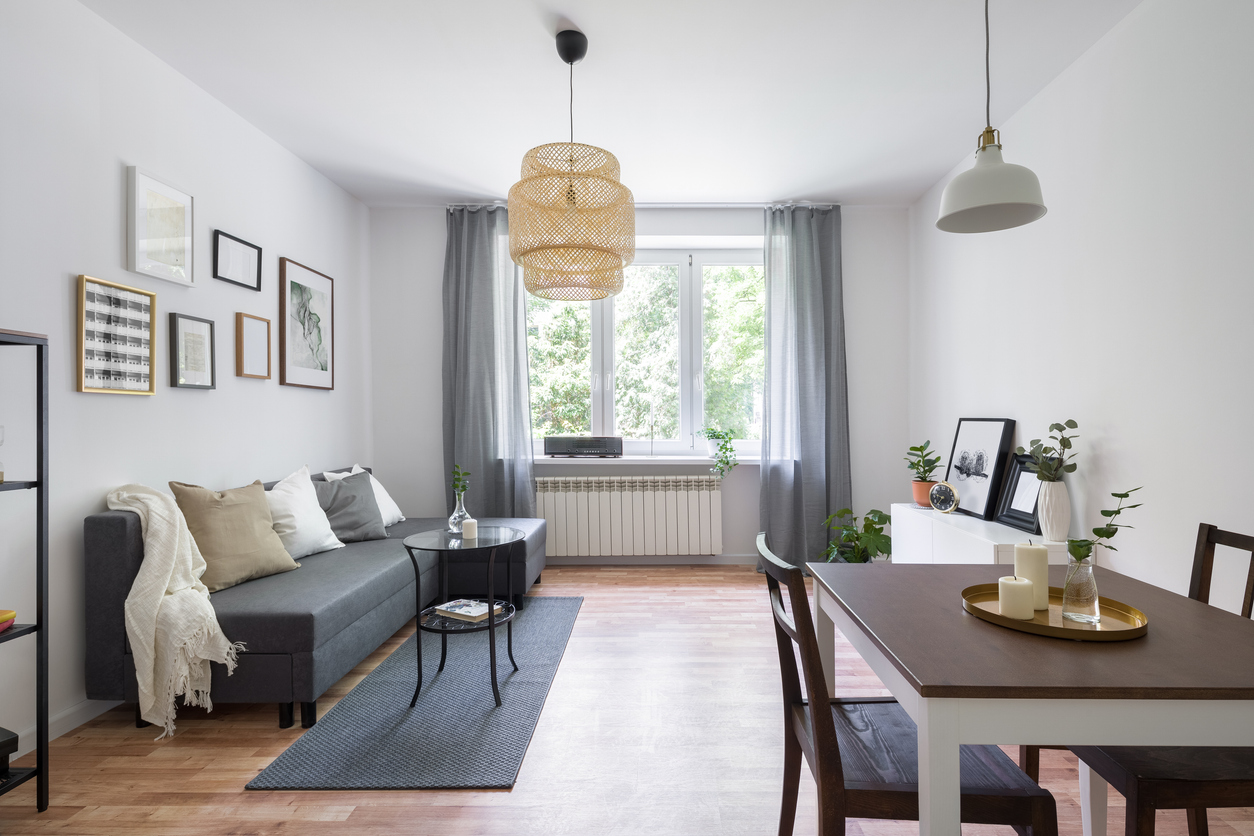
Communal lounges, dining areas and activity rooms can form an important part of the residential environment.
A property with several appropriately sized spaces may provide greater flexibility than one relying on a single large communal room.
Wayfinding
Residents living with dementia may experience difficulties navigating unfamiliar environments. Property layouts should therefore be assessed for clear routes, recognisable spaces and appropriate visual cues.
Unnecessarily complicated layouts can create challenges for both residents and care staff.
Outdoor Areas
Gardens and outdoor spaces can add significant value to dementia residential care property.
Buyers should consider whether residents can access outdoor areas safely and whether the gardens can accommodate seating, walking routes, secure boundaries and areas for recreation.
Planning Permission for Dementia Residential Care Property
Planning should be investigated before purchasing a property for specialist residential care.
A building that has previously been used as a care home may have an established planning position, but buyers should still verify the current permission, conditions and restrictions.
For a new care home application, CQC currently expects evidence of planning permission for the premises. The documentation should identify the address, applicable use class, such as C2 for residential care, and any conditions or restrictions. Where formal planning documents are unavailable, confirmation from the local authority may be required.
Planning permission and building regulations are separate requirements. CQC states that building regulations approval may be required for changes involving institutional uses such as nursing homes and homes providing care for elderly people.
CQC Requirements for Dementia Residential Care
Purchasing a property does not automatically allow the purchaser to operate a regulated care service from it.
Care homes where people live as their main or sole residence and receive personal or nursing care fall within CQC's location rules.
A new provider must therefore consider the CQC registration process alongside the property acquisition.
Current CQC requirements for care home applications include additional documentation such as a business continuity plan, business plan and forecast, environmental risk assessment, evidence of legal occupancy, fire risk assessment, floor plan and relevant safety certificates.
This makes early regulatory and property due diligence particularly important.
Dementia-Specific Staff Requirements
A suitable building is only one part of a successful dementia residential care service.
The operator also needs an appropriate staffing and training structure. CQC states that a care home's training plan should reflect the people it intends to support and include appropriate specialist training where the service supports people living with dementia.
When assessing a property, operators should therefore consider whether the layout can support the proposed staffing model, including staff offices, handover areas, storage, medication management and appropriate observation arrangements.
Fire Safety and Evacuation
Fire safety requires particular attention in residential care property.
Residents may have mobility difficulties or may need assistance during an emergency. The building therefore needs to be assessed for:
-
Fire detection and alarm systems
-
Fire doors
-
Compartmentation
-
Emergency lighting
-
Escape routes
-
Evacuation arrangements
-
Fire risk assessment
-
Accessibility during evacuation
-
Outstanding remedial works
A former residential property may require significant investment before it can operate as a specialist care environment.
Accessibility and Building Adaptation
Accessibility should be considered throughout the property rather than only at the entrance.
Buyers should examine:
-
Door widths
-
Corridor widths
-
Staircases
-
Lift provision
-
Bathroom access
-
Bedroom access
-
Wheelchair circulation
-
External paths
-
Garden access
-
Parking and drop-off arrangements
Where substantial adaptations are required, the projected cost should be included in the acquisition appraisal.
Gas, Electrical and Water Safety
The technical condition of the property should be reviewed carefully.
CQC requires care home applicants to provide current gas and electrical safety certificates where applicable, with the certificates relevant to the service and up to date.
Water systems should also be assessed, particularly in larger or older properties. Buyers should establish whether appropriate water hygiene procedures and risk assessments are already in place and identify any remedial work required before occupation.
Heating, hot water, plumbing, drainage and electrical capacity should all be reviewed as part of the building survey.
Former Dementia Residential Care Property
Former care homes can provide interesting opportunities for operators and investors, but the property's history needs to be understood.
Before buying, establish:
-
Why the previous service closed
-
How long the building has been vacant
-
Its previous planning use
-
Whether any planning conditions remain
-
The condition of fire safety systems
-
The condition of mechanical and electrical installations
-
Whether equipment remains
-
What refurbishment is required
-
Whether the previous layout remains suitable
-
Whether there are outstanding regulatory or enforcement matters
A property that was once used for dementia care should not automatically be assumed to be ready for immediate reuse.
Location Considerations
Location can influence both the property's suitability and the operation of the care service.
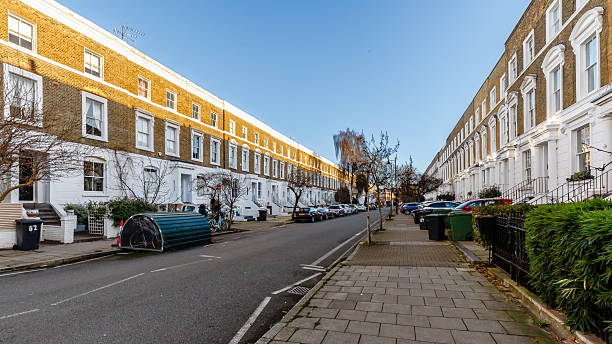
In London, buyers may investigate areas such as Bromley, Barnet, Enfield, Croydon, Sutton, Hillingdon and Kingston upon Thames, depending on the intended care model and planning context.
Outside London, the same principles apply.
A suitable location may offer convenient access to:
-
Healthcare facilities
-
Hospitals
-
Public transport
-
Local shops
-
Family networks
-
Care workers
-
Emergency services
-
Community facilities
The surrounding environment should also be assessed for traffic, noise, parking, accessibility and the character of the neighbourhood.
Investment Considerations for Dementia Residential Care Property
Dementia residential care property can form part of a specialist healthcare real estate strategy, but the financial assessment should extend beyond the purchase price.
Potential expenditure can include:
-
Acquisition costs
-
Stamp Duty Land Tax
-
Legal and professional fees
-
Planning consultancy
-
Building surveys
-
Refurbishment
-
Accessibility improvements
-
Fire safety upgrades
-
Furniture and equipment
-
Insurance
-
Maintenance
-
Utilities
-
Staffing and operating costs
Investors should also distinguish between buying the property and buying an operating care business.
A landlord may acquire a property and lease it to an established care provider, while an owner-operator may acquire the building and run the service directly. The risks, responsibilities and financial structures can be very different.
Questions to Ask Before Buying
Before making an offer on dementia residential care property, buyers should ask:
-
What was the property's previous use?
-
Is it currently operating as a care home?
-
Is the sale for the property only or the property and business?
-
What planning permission applies?
-
Is the intended use permitted?
-
Is the property currently registered with CQC?
-
What regulated activities are currently provided?
-
How many residents can the property accommodate?
-
What refurbishment is required?
-
Are current fire, gas and electrical documents available?
-
What accessibility improvements are necessary?
-
Is there suitable outdoor space?
-
Are there opportunities for extension or redevelopment?
-
What are the property's ongoing maintenance requirements?
-
Why is the property being sold or why did the previous service close?
Finding Dementia Residential Care Property in London and the UK
Specialist dementia properties are not always advertised in the same way as conventional residential investments.
The search may include operating care homes, former care homes, vacant residential care properties, healthcare buildings and larger properties capable of conversion.
Before beginning the search, operators and investors should define their requirements around:
-
Location
-
Number of bedrooms
-
Resident profile
-
Care model
-
Property size
-
Budget
-
Planning position
-
Accessibility
-
Refurbishment requirements
-
Outdoor space
-
Parking
Fraser Bond can support clients looking for UK property opportunities connected with care, healthcare, investment, development and refurbishment.
Speak to Fraser Bond About Dementia Residential Care Property
If you are looking for dementia residential care property, the building should be assessed according to how it will actually operate as a specialist care environment.
Fraser Bond can assist care operators, investors, landlords and developers with property acquisition, investment, development, refurbishment and wider property consultancy requirements across London and the UK.
Whether you are seeking an existing dementia care home, a former residential care property or a building suitable for conversion, assessing planning, building condition, accessibility and operational suitability at an early stage can help you make a more informed property decision.