Disability Care Property: Finding and Preparing Suitable UK Accommodation
A practical guide for landlords, investors, developers and care providers looking for suitable property for disability care, supported living and specialist accommodation across the UK
Disability care property refers to residential accommodation designed, adapted or selected to meet the needs of people living with physical disabilities, learning disabilities, sensory impairments or other support requirements.
For landlords and investors, this market can include adapted houses, accessible flats, supported living properties, specialist residential care homes and purpose-built accommodation. The right property depends heavily on the type of care being provided, the needs of residents and the operating model of the care provider.
In the UK, it is important to distinguish between supported living and care homes. CQC describes supported living as arrangements where a person lives in their own home and receives care or support to promote independence, with the care regulated by CQC while the accommodation itself is generally not. In a care home, accommodation and personal care are provided together and both the care and premises are regulated.
What Is Disability Care Property?
Disability care property is accommodation used to house and support people who may require assistance because of a physical disability, learning disability, sensory impairment or other long-term support needs.
Depending on the service model, a disability care property could be:
-
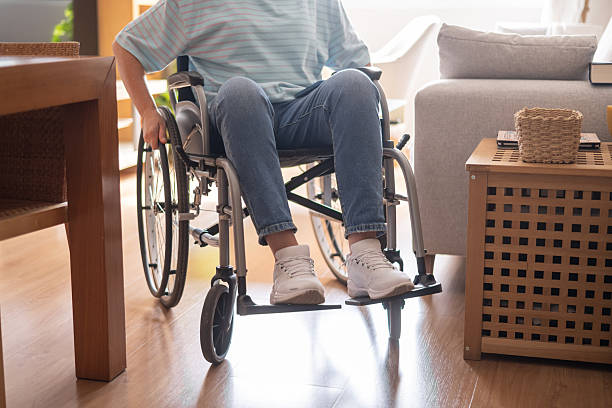
A wheelchair accessible house
-
An adapted residential property
-
A supported living house
-
Self-contained accessible flats
-
A specialist supported housing development
-
A residential care home
-
A care home with nursing
-
Purpose-built disability accommodation
-
Extra care housing
-
A property adapted for complex physical support needs
The property specification should always reflect the residents the provider intends to support.
A property designed for adults who can live relatively independently may have very different requirements from accommodation for residents requiring 24-hour personal care or nursing support.
What Makes a Good Disability Care Property?
A suitable disability care property should be assessed around the daily needs of its residents rather than simply its size or appearance.
Important considerations include:
-
Step-free access
-
Suitable entrances and doorways
-
Adequate circulation space
-
Accessible bedrooms
-
Accessible bathrooms
-
Appropriate kitchen arrangements
-
Storage for mobility equipment
-
Safe outdoor areas
-
Parking and drop-off arrangements
-
Staff facilities where required
-
Emergency access and evacuation arrangements
-
Proximity to healthcare and community facilities
The property's location is also important. Residents may need convenient access to GP surgeries, hospitals, pharmacies, shops, public transport, community centres and other local services.
Wheelchair Accessible Disability Care Property
Accessibility is one of the most important considerations when sourcing property for adults with physical disabilities.
A wheelchair-friendly property may require:
-
Level access
-
Ramps
-
Wider doorways
-
Accessible corridors
-
Turning space
-
Level-access showers
-
Accessible toilets
-
Adapted kitchens
-
Suitable bedroom layouts
-
Accessible switches and controls
-
Appropriate flooring
-
Mobility equipment storage
However, accessibility should not be treated as a simple checklist.
For example, installing a ramp does not make a property fully wheelchair accessible if the internal corridor is too narrow or the bathroom cannot accommodate the resident and support worker.
A professional assessment should consider the entire journey from the pavement or parking area through to the resident's bedroom, bathroom, kitchen and communal spaces.
Bedrooms and Personal Space
Bedrooms in disability care accommodation should provide enough space for residents to use their rooms safely.
Depending on individual needs, there may need to be room for:
-
Wheelchairs
-
Specialist beds
-
Hoists
-
Transfer equipment
-
Medical equipment
-
Personal storage
-
Carer assistance
-
Bedside mobility
For supported living, residents should also have a genuine sense of privacy and independence. The property should feel like a home rather than simply an institutional setting.
Bathrooms and Wet Rooms
Bathrooms often require significant consideration when preparing disability care property.
Potential adaptations include:
-
Level-access showers
-
Wet rooms
-
Grab rails
-
Accessible toilets
-
Accessible sinks
-
Transfer space
-
Reinforced walls for future adaptations
-
Slip-resistant flooring
-
Appropriate shower controls
-
Space for carers or support workers
The exact specification should be based on residents' needs and the provider's requirements.
A standard bathroom may be adequate for one resident but unsuitable for another who requires hoisting or assistance with personal care.
Kitchens in Disability Care Accommodation
Kitchens should also be assessed for accessibility and independence.
Depending on the service model, useful features can include:
-
Lower worktops
-
Accessible appliances
-
Easy-to-operate controls
-
Clear wheelchair circulation
-
Accessible sinks
-
Pull-out storage
-
Adjustable work surfaces
-
Appropriate appliance positioning
In supported living, an accessible kitchen can help residents maintain independence and participate in everyday household activities.
Communal Areas and Shared Accommodation
Some disability care properties accommodate several residents.
Where accommodation is shared, communal areas should be accessible and practical.
These can include:
-
Lounges
-
Dining rooms
-
Kitchens
-
Laundry areas
-
Gardens
-
Entrances
-
Corridors
-
Staff areas
-
Equipment storage
The design should allow residents to move between private and communal areas without unnecessary barriers.
Where residents have different mobility requirements, the property should be assessed against the needs of the entire household.
Staff Accommodation and Support Facilities
Some disability care properties require staff to be present around the clock.
Depending on the care model, the property may therefore require:
-
Staff office space
-
Sleep-in accommodation
-
Staff bathroom facilities
-
Secure storage
-
Equipment storage
-
Medication storage where appropriate
-
Handover space
-
Staff parking
These requirements should be agreed with the care provider before refurbishment begins.
CQC recognises supported living services as arrangements where people live in their own homes while receiving care or support, and some services provide continuous or tailored support according to individual needs.
Disability Care Property and CQC Requirements
The regulatory position depends on how the accommodation and care are structured.
In supported living, the resident's housing and care arrangements can be separate. CQC states that supported living accommodation is generally not itself regulated as a care home, although the care service may require CQC registration for regulated activities such as personal care.
A care home is different. Where accommodation and personal care are provided together as one arrangement, CQC treats the premises and care as part of the regulated care home service.
This distinction matters to landlords because the same residential property could have very different regulatory considerations depending on how the provider intends to operate it.
Landlords should therefore establish the proposed use and obtain appropriate professional advice before agreeing substantial alterations or a long-term lease.
Buying Property for Disability Care
Investors considering disability care property should assess the building before purchasing.
Key questions include:
-
Is the property structurally suitable?
-
Can residents access the main entrance?
-
Can bathrooms be adapted?
-
Are bedrooms large enough?
-
Is there sufficient communal space?
-
Can the property accommodate mobility equipment?
-
Is parking available?
-
Can staff facilities be incorporated?
-
Are planning permissions required?
-
Would building regulations apply to proposed works?
-
Is the location appropriate for the intended residents?
-
Does the provider have a clear property specification?
A property that appears inexpensive may require substantial adaptation. Conversely, a slightly more expensive property may require considerably less work and reach operational readiness faster.
Refurbishing Existing Disability Care Property
Existing residential buildings can often be adapted for specialist use, subject to the relevant planning, building and regulatory requirements.
Typical works may include:
-
Bathroom conversion
-
Wet-room installation
-
Door widening
-
Ramp installation
-
Accessible entrance alterations
-
Kitchen refurbishment
-
Flooring replacement
-
Lighting improvements
-
Electrical alterations
-
Handrails and grab rails
-
External access improvements
-
Garden adaptations
-
Equipment storage
-
Staff facilities
Before starting work, landlords should obtain a clear schedule of works based on the intended residents and provider requirements.
This prevents a common problem where a property is refurbished to a generic accessibility standard but still fails to meet the practical requirements of the eventual care provider.
Disability Care Property in London
London has opportunities for disability care and supported living accommodation, but property selection can be challenging.
Older London housing stock may have:
-
Narrow entrances
-
Steps to front doors
-
Basement levels
-
Split-level layouts
-
Small bathrooms
-
Narrow corridors
-
Limited parking
-
Restricted outdoor space
Modern flats and purpose-built developments may provide better accessibility, particularly where they have lifts, step-free entrances and adaptable layouts.
However, location remains important. A highly accessible property in an isolated area may be less useful than a well-connected property close to healthcare, shops, public transport and community services.
Leasing Property to a Disability Care Provider
Landlords who do not intend to operate the care service themselves may lease their property to an established provider.
Before entering into an agreement, landlords should investigate:
-
Provider experience
-
CQC registration where applicable
-
Proposed service model
-
Intended resident group
-
Lease structure
-
Rent and payment arrangements
-
Repair responsibilities
-
Insurance
-
Adaptation responsibilities
-
Planning position
-
Property management
-
Maintenance obligations
-
Reinstatement requirements at the end of the lease
The landlord should also understand exactly who will occupy the property and what activities will take place there.
CQC guidance recognises that supported living can involve separate contractual arrangements for housing and personal care, making the distinction between the property arrangement and care service particularly important.
Disability Care Property Investment
Specialist care property can form part of a longer-term property investment strategy, but investors should assess the underlying property as well as the proposed operator.
Important considerations include:
-
Location
-
Property size
-
Accessibility
-
Adaptation costs
-
Lease length
-
Tenant or provider strength
-
Demand for the accommodation
-
Planning requirements
-
Maintenance costs
-
Exit options
-
Long-term property value
Investors should avoid relying solely on the proposed rent or lease term. The physical suitability of the building remains important because specialist adaptations may affect the property's future use and marketability.
Working With a Specialist Property Consultancy
Disability care property requires coordination between property, refurbishment, accessibility and care-sector requirements.
Fraser Bond can support landlords, investors, developers and care providers with property sourcing, acquisition advice, refurbishment coordination, contractor management, property improvements and ongoing property support.
For a landlord considering leasing a property to a disability care provider, the process should begin with understanding the intended use and assessing whether the building can realistically accommodate it.
For an investor, the same assessment can help identify refurbishment costs, planning considerations and potential operational constraints before committing capital.
Finding Suitable Disability Care Property
The right disability care property is not simply a large house or accessible flat. It needs to work for the people who will live there, the care or support model being delivered and the provider responsible for operating the service.
Whether you need an accessible house, supported living property, specialist accommodation or a larger care home opportunity, careful property assessment can reduce refurbishment problems and improve long-term viability.
Fraser Bond works with UK property owners, investors and specialist housing and care operators to source, assess, refurbish and manage property suited to specialist accommodation requirements.