Former Residential Care Home: Assessing UK Property Opportunities
A practical guide for care operators, investors, landlords and developers considering a former residential care home across London and the UK
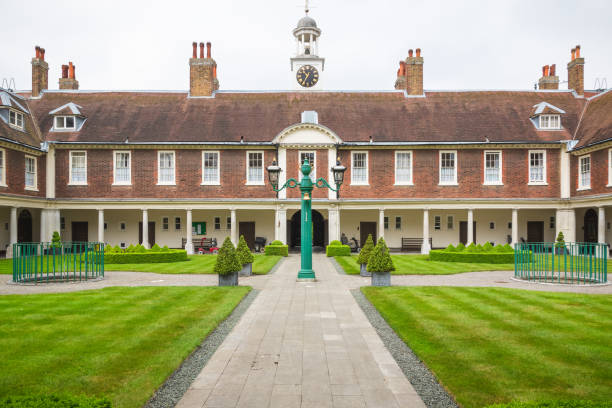
A former residential care home can offer an interesting property opportunity for care operators, investors and developers seeking premises with an established or previous care use. These properties may already contain bedrooms, communal areas, kitchens, bathrooms, staff facilities and outdoor space that could be adapted for a new care service.
However, previous care use does not automatically mean that a property is ready to reopen as a care home. Planning status, building condition, fire safety, accessibility, building regulations and the intended care model all need to be investigated before acquisition or leasing.
For investors, a former residential care home may offer potential for refurbishment, re-letting, reopening or redevelopment. For care operators, it can provide a starting point for establishing a new service, subject to the necessary permissions and regulatory requirements.
Fraser Bond works with care operators, investors, landlords and developers assessing specialist care property across London and the UK.
What Is a Former Residential Care Home?
A former residential care home is a property that was previously used to provide residential accommodation and care but is no longer operating as a care home.
The property may be:
-
Recently closed
-
Vacant
-
Available for sale
-
Available to lease
-
Awaiting refurbishment
-
Suitable for redevelopment
-
Being marketed for alternative use
The previous care use may mean that the building has characteristics that are useful for future care provision, but the suitability of the property must be assessed on its current condition and proposed future use.
Why Consider a Former Residential Care Home?
Former care homes can appeal to buyers and operators because they may already contain infrastructure that would otherwise be expensive to create.
A property could include:
-
Multiple bedrooms
-
Communal lounges
-
Dining rooms
-
Accessible bathrooms
-
Kitchen facilities
-
Laundry rooms
-
Staff offices
-
Storage
-
Gardens
-
Parking
-
Fire safety infrastructure
The existing layout can potentially reduce the amount of structural work required compared with converting an entirely unrelated property.
However, this depends heavily on the age, condition and configuration of the building.
Why Did the Care Home Close?
Understanding why the property stopped operating is an important part of due diligence.
Possible reasons include:
-
Retirement of the owner
-
Sale of the property
-
Business restructuring
-
Relocation
-
Refurbishment
-
Change of operator
-
Financial difficulties
-
Redevelopment
-
Changes in the local care market
The reason for closure should be investigated rather than assumed.
If the property previously operated as a registered care service, buyers can also investigate its regulatory history and previous CQC information where available. CQC provides access to information and historical records for services that are no longer registered.
How Long Has the Property Been Empty?
The length of time a former care home has been vacant can influence its condition.
A property that closed recently may require relatively limited refurbishment, whereas one that has been empty for several years could have more significant deterioration.
Investors and operators should inspect:
-
Roof
-
Structure
-
Damp
-
Drainage
-
Plumbing
-
Heating
-
Electrical systems
-
Windows
-
Security
-
Water systems
-
Fire safety
A professional building survey can help identify immediate repairs and longer-term capital expenditure.
Planning for a Former Residential Care Home
Previous care use should not be treated as proof that the proposed future use is automatically authorised.
The buyer should investigate:
-
Existing planning use
-
Planning history
-
Previous change-of-use approvals
-
Planning conditions
-
Restrictions
-
Proposed future use
-
Extensions
-
Additional bedrooms
-
Parking requirements
CQC's current guidance states that planning consent comes from the local planning authority and that documentary evidence should demonstrate that the premises can lawfully support the proposed business.
If the buyer intends to change the use, extend the property or significantly alter the layout, professional planning advice should be obtained before committing to the project.
Building Regulations
A former care home may require substantial building work before it can be brought back into use.
Potential works include:
-
Internal reconfiguration
-
Fire safety improvements
-
Accessible bathrooms
-
Lift installation
-
Electrical upgrades
-
Heating replacement
-
Structural alterations
-
Improved escape routes
Building regulations approval is separate from planning permission. CQC's current guidance states that from 5 May 2026, relevant provider applications must include a building control final certificate where the location requires building regulations approval.
A buyer should therefore establish what previous building work was approved and what additional approvals would be required for the proposed refurbishment.
CQC Considerations for Reopening
If a care operator intends to reopen the property and provide regulated care, CQC registration needs to be considered as part of the project.
CQC currently requires provider applicants to submit a building control final certificate where applicable, along with core documentation and additional information depending on the service.
For care homes, CQC also expects to see the building control completion certificate before assessing the premises, and an application may be refused if the certificate is unavailable when requested.
This means an operator should establish the property's regulatory and building documentation before assuming that the former care home can simply reopen.
Resident Bedrooms and Capacity
The number of existing bedrooms can make a former care home attractive, but room count alone does not determine its suitability.
The buyer should assess:
-
Bedroom sizes
-
Natural light
-
Ensuite facilities
-
Bathroom provision
-
Corridor widths
-
Communal areas
-
Fire safety
-
Accessibility
-
Kitchen capacity
-
Staff facilities
The realistic resident capacity should be assessed against the proposed care model and current property requirements.
Communal Areas
Former care homes often contain communal areas that can be valuable when assessing the property.
These may include:
-
Lounges
-
Dining rooms
-
Activity rooms
-
Reception areas
-
Visitor spaces
-
Quiet rooms
The buyer should consider whether these spaces are large enough and appropriately positioned for the intended residents.
A property with numerous bedrooms but limited communal space may require significant reconfiguration.
Accessibility
Accessibility is an important consideration when assessing a former residential care home.
Potential features include:
-
Level entrances
-
Accessible doorways
-
Wide circulation areas
-
Accessible bathrooms
-
Lifts
-
Handrails
-
Suitable flooring
-
Accessible gardens
-
Parking
-
Drop-off areas
Older care homes may have been designed to different standards from modern facilities, so existing accessibility features should be assessed carefully.
If the intended service supports residents with higher mobility needs, additional adaptation may be required.
Fire Safety
Fire safety should be reviewed before a former care home is acquired or reopened.
Important areas include:
-
Fire alarm systems
-
Emergency lighting
-
Fire doors
-
Escape routes
-
Compartmentation
-
Fire risk assessment
-
Evacuation arrangements
CQC's current care home registration documentation includes a fire risk assessment among the premises-related documents required for relevant applications.
The buyer should determine whether the existing systems remain suitable or require upgrading.
Gas, Electrical and Building Services
Long-vacant buildings can have outdated or defective services.
A technical assessment should consider:
-
Gas installation
-
Electrical installation
-
Boilers
-
Heating systems
-
Emergency lighting
-
Plumbing
-
Drainage
-
Water storage
-
Ventilation
CQC's current guidance includes safety documentation among the supporting evidence required for relevant provider applications.
These systems should be assessed before the refurbishment budget is finalised.
Water Systems and Legionella
Water systems require particular attention where a former care home has been vacant.
The operator or owner should investigate:
-
Water storage
-
Pipework
-
Hot water systems
-
Cold water systems
-
Periods of non-use
-
Existing risk assessments
-
Planned remedial work
CQC currently has specific guidance concerning Legionella risk assessments as part of provider registration documentation.
The property's water system should therefore be reviewed before residents are accommodated.
Former Care Home for Sale
A former residential care home for sale may appeal to several types of buyer.
Potential purchasers include:
-
Care home operators
-
Healthcare businesses
-
Property investors
-
Developers
-
Specialist care providers
-
Landlords
The buyer may intend to reopen the property, refurbish it for a different care model or investigate an alternative development strategy.
The purchase should be based on a complete assessment of the property rather than its former use alone.
Former Care Home to Rent or Lease
Some former care homes may be available for lease rather than outright purchase.
For an operator, leasing can reduce the capital required to acquire the freehold.
Important lease considerations include:
-
Lease term
-
Rent
-
Rent reviews
-
Repairing obligations
-
Insurance
-
Service charges
-
Alteration rights
-
Assignment
-
Break clauses
-
Renewal
-
Reinstatement
If the operator is expected to fund substantial refurbishment, the lease should provide sufficient security for that investment.
Refurbishing a Former Residential Care Home
Refurbishment can be central to the viability of a former care home.
Potential works include:
-
Bedroom upgrades
-
Bathroom adaptations
-
Kitchen refurbishment
-
Fire safety improvements
-
Accessibility works
-
Heating upgrades
-
Electrical upgrades
-
Communal area improvements
-
External landscaping
-
Security improvements
A detailed schedule of works should be prepared before purchase or lease completion.
The budget should account for construction costs, professional fees, planning, building control, specialist contractors and contingency.
Former Care Home Investment
Investors may consider a former residential care home as a property repositioning opportunity.
Possible strategies include:
-
Refurbishing and reopening as a care home
-
Leasing to an established care operator
-
Changing the care model
-
Converting the property subject to planning
-
Redeveloping the site
-
Holding the property as a specialist care asset
The appropriate strategy depends on the property's location, condition, planning position, size and market demand.
A low acquisition price does not necessarily mean a low total investment if significant refurbishment is required.
Location and Market Assessment
Location remains important even when a property already has a history of care use.
Investors and operators should consider:
-
Local demographics
-
Demand for residential care
-
Healthcare facilities
-
Transport links
-
Staff availability
-
Local amenities
-
Competing care homes
-
Parking
-
Planning environment
London has a wide range of former care properties, from smaller residential homes to larger specialist facilities.
Outer London locations can provide different property characteristics from central areas, particularly where gardens, parking and larger buildings are required.
Former Residential Care Home Development Opportunities
Some former care homes may have additional development potential.
Depending on the site, opportunities could include:
-
Extensions
-
Additional bedrooms
-
New communal facilities
-
Accessibility improvements
-
Garden development
-
Redevelopment
-
Conversion to another specialist use
Any development strategy should be tested against planning policy, site constraints, construction costs and the proposed end use.
Previous care use can be helpful background information, but it does not guarantee planning permission for future development.
What Sellers and Landlords Should Prepare
Owners marketing a former residential care home can make the property easier for operators and investors to assess by preparing relevant documentation.
Useful information can include:
-
Title documents
-
Floor plans
-
Planning history
-
Building control certificates
-
EPC
-
Fire risk assessment
-
Gas certificates
-
Electrical certificates
-
Previous care use
-
Previous CQC information where relevant
-
Building survey
-
Refurbishment history
-
Parking details
Providing accurate information early can help prospective buyers determine whether the property matches their requirements.
Questions to Ask Before Buying a Former Care Home
Before proceeding, buyers should ask:
-
Why did the previous care home close?
-
How long has the property been vacant?
-
What was its previous authorised use?
-
What planning conditions apply?
-
Is the previous care use still relevant to the proposed operation?
-
What building control documentation exists?
-
What condition is the building in?
-
How many bedrooms can realistically be provided?
-
Are the bathrooms and communal facilities adequate?
-
What accessibility work is required?
-
What fire safety improvements are needed?
-
Are the gas and electrical systems suitable?
-
What water system issues need to be addressed?
-
What refurbishment budget is required?
-
What CQC requirements apply to the proposed service?
Due Diligence Checklist
A thorough assessment of a former residential care home should cover:
-
Freehold or leasehold title
-
Planning history
-
Previous authorised use
-
Building control documentation
-
Building survey
-
Floor plans
-
Fire risk assessment
-
Accessibility
-
Gas and electrical systems
-
Water systems
-
Legionella risk
-
EPC
-
Existing leases
-
Previous care operator information
-
Refurbishment requirements
-
Capital expenditure
-
Local care market
-
CQC requirements
CQC's current guidance confirms that care home providers have additional premises and service-specific documentation requirements, while building control documentation is particularly important before premises are assessed.
How Fraser Bond Can Help With Former Residential Care Homes
Fraser Bond works with care operators, investors, landlords and developers assessing former and specialist care property across London and the UK.
Depending on the project, support can include:
-
Former care property sourcing
-
Acquisition support
-
Property due diligence
-
Investment advisory
-
Refurbishment planning