Houses Suitable for Children's Homes - Finding the Right Property
What care providers and landlords should look for when sourcing a house for a children's home
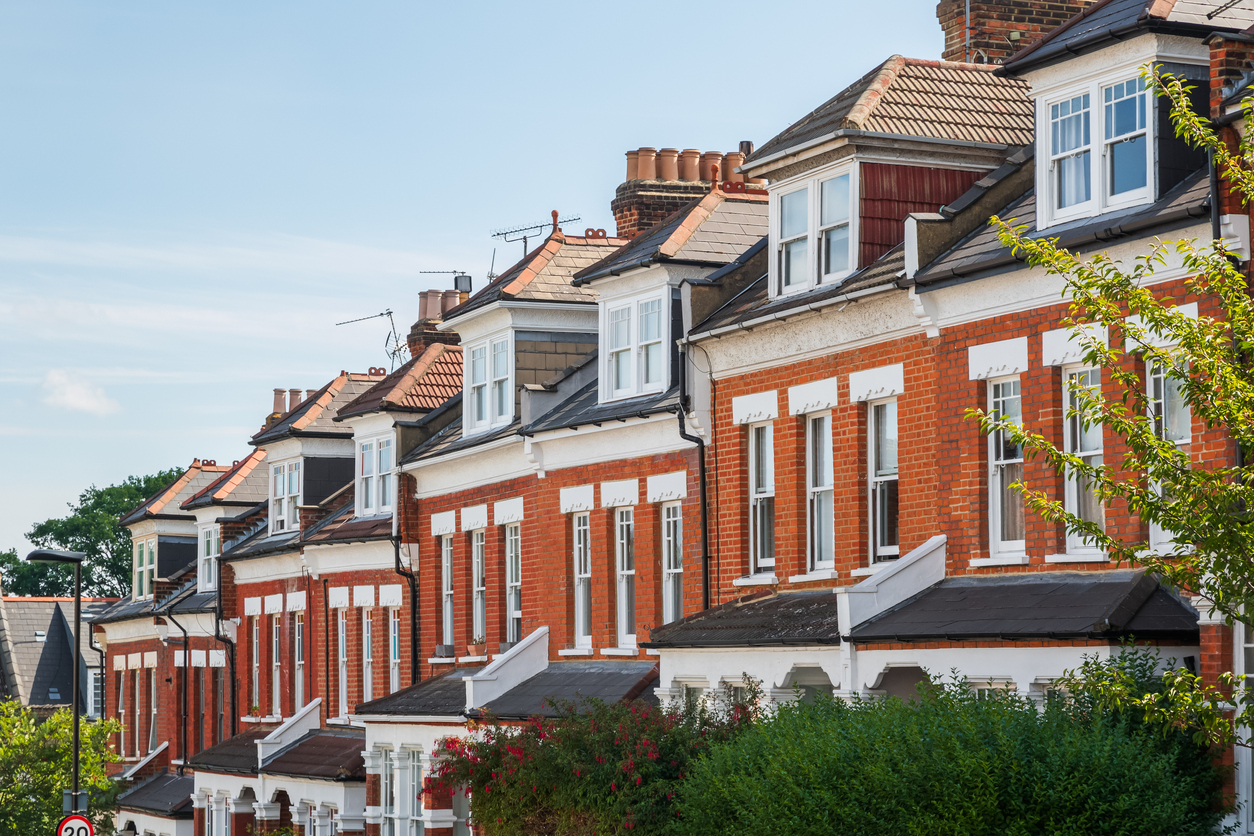
Finding houses suitable for children's homes requires careful consideration of the building, layout, neighbourhood, planning position and the needs of the children who will live there. A large house with several bedrooms may look appropriate initially, but size alone does not make a property suitable for children's residential care.
In England, providers must demonstrate to Ofsted that proposed premises are fit for purpose and suitable for the children they intend to care for. The location must also be assessed for local risks, services, transport, education and other factors relevant to the home's proposed purpose.
For landlords, investors and care providers, understanding these factors before purchasing or leasing a house can prevent costly mistakes.
What types of houses can be suitable for children's homes?
There is no single house type that automatically qualifies as a children's home. Suitability depends on the proposed care model, the number and needs of children, the building and its location.
Potential options can include:
-
Detached family houses
-
Large semi-detached houses
-
Substantial period properties
-
Modern family homes
-
Former residential properties
-
Houses with several bedrooms and communal areas
-
Properties capable of being refurbished for specialist care use
The key question is not simply whether a house is large enough. The property needs to provide an environment where children can live safely and comfortably while allowing staff to provide appropriate care.
Bedrooms and the internal layout
The internal layout is one of the first things a provider should assess.
A suitable house may need enough bedrooms for the proposed number of children, together with appropriate staff facilities and communal areas.
Important considerations include:
-
Bedroom size and privacy
-
Number and position of bathrooms
-
Kitchen layout
-
Living and dining areas
-
Staff working arrangements
-
Internal circulation
-
Storage
-
Natural light and ventilation
-
Safe access and exit routes
A house with awkward extensions, limited communal space or poor internal circulation may require substantial work before it can support the intended service.
The layout should also be considered in relation to the children described in the provider's statement of purpose.
Houses with gardens and outdoor space
Outdoor space can be an important feature when assessing houses suitable for children's homes.
A private garden can provide an area for recreation, relaxation and everyday activities. It may also give children access to outdoor space without requiring them to leave the property.
The garden should be assessed for:
-
Privacy
-
Secure boundaries
-
Safe access
-
Condition of fencing and gates
-
Potential hazards
-
Space for appropriate activities
-
Maintenance requirements
The value of outdoor space will depend on the children the home is designed to support.
Location matters as much as the house
A suitable house needs to be in a suitable location.
Ofsted's current guidance requires providers to demonstrate that the proposed home is needed locally, is in the right place and can meet the needs of the children. Providers must also consider known hazards and risks in the community.
Location assessments can include:
-
Safeguarding concerns
-
Local crime and exploitation risks
-
Access to schools and special schools
-
GP and dental services
-
CAMHS and other specialist services
-
Public transport
-
Leisure facilities
-
Community facilities
-
Local employment and staff recruitment
-
Other children's homes nearby
-
Busy roads and railway lines
-
Other environmental hazards
A house in a desirable residential neighbourhood is not automatically appropriate. Its suitability needs to be considered against the particular children and service being proposed.
Houses near schools and local services
Access to education and essential services can be particularly important.
Depending on the children the home intends to accommodate, providers may want reasonable access to mainstream schools, special schools, healthcare, leisure facilities and community services.
Ofsted expects location assessments to consider the availability and accessibility of local services, including health services and education.
Good transport connections can also make it easier for children to attend school, maintain relationships and participate in activities within the wider community.
Planning a house for children's residential care
Planning should be investigated before committing to a house.
Ofsted's current registration guidance requires applicants to provide evidence concerning planning permission, confirmation that planning permission is not required, confirmation that the current use is allowed, or evidence of a planning application. Ofsted cannot carry out the registration visit until the required planning evidence has been provided.
This makes planning due diligence an important part of the property search.
Care providers should establish the planning position before spending significant amounts on refurbishment. Landlords should also understand the intended children's home use before agreeing a long-term lease.
Safety and condition of the house
The property needs to be capable of providing a safe environment.
When inspecting a potential children's home, providers should consider:
-
Fire safety
-
Electrical installations
-
Gas and heating systems
-
Structural condition
-
Windows and doors
-
Staircases
-
Security
-
Bathrooms
-
Kitchen facilities
-
Emergency arrangements
-
Garden and external areas
-
Accessibility
-
General maintenance
Ofsted requires applicants to demonstrate that the premises are fit for purpose and that risks associated with the building have been assessed and managed through appropriate health and safety arrangements.
A house requiring refurbishment is not necessarily unsuitable, but the provider needs to understand the cost, timescale and scope of the required works.
What makes a house unsuitable for a children's home?
Several issues can make an otherwise attractive property difficult to use.
Potential problems include:
-
Insufficient bedrooms
-
Poor communal space
-
Unsafe access arrangements
-
Significant structural problems
-
Inadequate fire safety provisions
-
Poor transport connections
-
Serious local safeguarding concerns
-
Proximity to environmental hazards
-
Planning restrictions
-
Excessive refurbishment requirements
-
A layout that does not support the proposed care model
Ofsted's location assessment guidance specifically highlights issues such as exploitation risks, isolation, proximity to other children's homes and hazards including busy roads and railway lines.
Refurbishing houses for children's homes
Some houses can be adapted to create a suitable residential environment.
Depending on the property's condition, refurbishment may include:
-
Bedroom improvements
-
Bathroom upgrades
-
Kitchen renovation
-
Electrical upgrades
-
Heating improvements
-
Fire safety works
-
Security improvements
-
New doors or windows
-
Garden improvements
-
Redecoration
-
Accessibility adaptations
The refurbishment plan should be developed around the intended service rather than simply improving the property's appearance.
For leased houses, the landlord and operator should agree who will fund and manage the works before the lease is completed.
Buying or leasing houses for children's homes
Care providers may consider buying a house or leasing one from a landlord.
A purchase can give the operator greater control over the property, while a lease can allow a provider to establish a home without purchasing the building outright.
For leased properties, the agreement should clearly address:
-
Permitted use
-
Lease length
-
Rent reviews
-
Repairs
-
Maintenance
-
Insurance
-
Refurbishment
-
Alterations
-
Planning applications
-
Compliance responsibilities
-
Reinstatement requirements
The property lease and Ofsted registration are separate matters. A landlord granting a lease does not itself give the operator permission to provide a children's home service.
What landlords should know about children's home houses
Landlords with large residential properties may receive interest from children's care providers looking for long-term accommodation.
Before agreeing to a children's home use, the landlord should understand the proposed operation and assess whether the property can realistically support it.
Useful due diligence can include reviewing:
-
The care provider's experience
-
Intended number of children
-
Proposed care model
-
Ofsted registration position
-
Planning position
-
Refurbishment requirements
-
Proposed lease terms
-
Insurance arrangements
-
Repair responsibilities
-
Financial strength of the operator
A specialist children's home lease can be a long-term property arrangement, so both parties should establish their responsibilities clearly from the beginning.
Houses suitable for children's homes in London
London has many larger residential properties that may be considered for children's residential care, particularly in suburban areas with established communities and access to transport and services.
However, the property market is highly varied. A large house in one part of London may have very different planning, accessibility, refurbishment and location considerations from a similar property elsewhere.
Care providers should assess each house individually rather than relying on bedroom count or floor area alone.
Fraser Bond can assist landlords, investors and care providers with specialist property sourcing and property services across London and the wider UK, including identifying potential properties, assessing practical requirements and coordinating refurbishment where appropriate.
How Fraser Bond can help find houses for children's homes
Fraser Bond works with property owners and specialist care operators looking for suitable buildings.
For care providers, the process can involve identifying houses that match the intended service, reviewing the property's practical characteristics and considering planning, refurbishment and commercial requirements before proceeding.
For landlords, Fraser Bond can help assess whether a larger residential property could be appropriate for specialist children's care use and support the process of presenting the property to potential operators.
The objective is to find a house where the building, location, planning position and proposed care model can work together.
Checklist for houses suitable for children's homes
Before committing to a house, a provider should ask:
-
Does the property have enough suitable bedrooms?
-
Is there adequate communal space?
-
Is the layout appropriate for the intended children?
-
Are bathrooms conveniently located?
-
Is there suitable outdoor space?
-
Is the neighbourhood appropriate?
-
Are schools and healthcare services accessible?
-
Have local safeguarding risks been assessed?
-
Are there environmental hazards nearby?
-
Is the planning position clear?
-
Can the house meet relevant health and safety requirements?
-
What refurbishment is required?
-
Can the property support the proposed statement of purpose?
-
Are the lease or purchase terms commercially viable?
The right house for a children's home is not necessarily the biggest house available. It is the property whose layout, condition, location and surrounding environment can support the specific children and care service it is intended to accommodate.