Property Suitable for Children's Home - Finding the Right Property for Residential Care
What landlords and care providers should look for when sourcing a children's home property
Finding a property suitable for a children's home involves much more than choosing a house with enough bedrooms. The building needs to provide a safe, homely and practical environment for children while also supporting the proposed care model, staffing arrangements and regulatory requirements.
For providers in England, Ofsted expects applicants to demonstrate that the proposed premises are fit for purpose and suitable for the children they intend to care for. The application also requires evidence relating to planning, health and safety, fire arrangements and the suitability of the proposed location.
For landlords and investors, understanding these requirements can make it easier to identify properties that are genuinely suitable for children's residential care rather than simply properties that look suitable on paper.
What type of property is suitable for a children's home?
A suitable children's home property will depend on the number, age and needs of the children the provider intends to accommodate.
Potential properties may include:
-
Detached residential houses
-
Large semi-detached houses
-
Substantial family homes
-
Former residential properties
-
Properties that can be appropriately refurbished
-
Buildings with suitable communal and private spaces
The number of bedrooms is only one consideration. The overall layout needs to support privacy, supervision, communal living and the daily routines of the children.
A property with several bedrooms but poor circulation, limited communal space or significant safety issues may be less suitable than a smaller building with a more practical layout.
Bedrooms and private space
Bedrooms are an important consideration when assessing property suitable for a children's home.
Each child's private space should be appropriate for the intended placement model, while the wider property should provide enough communal space for everyday living.
Depending on the home's statement of purpose, providers may consider:
-
Number and size of bedrooms
-
Bedroom privacy
-
Natural light and ventilation
-
Storage
-
Bathroom access
-
Staff supervision
-
Communal living areas
-
Dining space
-
Quiet areas
-
Outdoor space
The property should feel like a home rather than an institutional setting. This is particularly important when the children may be living at the property for an extended period.
Communal areas matter
A children's home needs spaces where children can eat, relax, socialise and take part in normal household activities.
A suitable property may therefore benefit from:
-
A comfortable living room
-
Dining area
-
Practical kitchen
-
Additional quiet or activity space
-
Suitable bathrooms
-
Outdoor garden or recreational area
The exact requirements will depend on the home's intended use and the needs identified in its statement of purpose.
The aim should be to create an environment where children can live as normally and safely as possible.
Location is just as important as the building
A good children's home property can still be unsuitable if it is located in the wrong area.
Ofsted's current guidance requires the provider's location assessment to consider whether the home is needed locally, whether it is in the right place, known hazards and risks, local services and whether the location supports the needs and independence of the children.
Providers may therefore need to assess:
-
Local safeguarding concerns
-
Crime and exploitation risks
-
Access to schools and special schools
-
GP and dental services
-
CAMHS and other specialist health services
-
Public transport
-
Leisure facilities
-
Community facilities
-
Recruitment of suitable staff
-
Distance from other children's homes
-
Busy roads, railway lines and other environmental hazards
The suitability of the location should be assessed against the specific children the home intends to accommodate.
Planning permission for a children's home property
Planning should be investigated before committing to a property.
Ofsted's application guidance requires evidence concerning planning permission or confirmation from the local authority about the property's permitted use. Ofsted also strongly recommends resolving planning matters before applying because delays can affect the registration process.
For this reason, a provider should establish the planning position during property due diligence rather than assuming that a conventional residential property can automatically be used as a children's home.
Landlords should also understand the proposed use before agreeing substantial alterations or entering into a long-term lease.
Property safety and condition
The building itself must be capable of providing a safe environment.
A property assessment may need to identify issues involving:
-
Fire safety
-
Electrical installations
-
Gas and heating systems
-
Structural condition
-
Security
-
Windows and doors
-
Staircases
-
Bathrooms
-
Kitchens
-
Accessibility
-
Maintenance
-
Outdoor areas
-
Potential environmental hazards
Ofsted requires applicants to demonstrate that risks associated with the building have been assessed and managed. The application guidance also refers to health and safety assessments, risk management plans and fire safety arrangements.
A property that requires refurbishment is not necessarily unsuitable, but the cost, scope and timing of the works need to be properly assessed.
A property should match the children's needs
There is no single property specification that works for every children's home.
For example, a home intended for children with significant behavioural or emotional needs may have different requirements from a home designed for children with learning disabilities or other specialist needs.
The provider's statement of purpose should explain who the home is intended to support, and the building should be capable of meeting those needs.
This is why property sourcing should start with the intended care model rather than simply searching for the largest available house.
What makes a property unsuitable?
Potential problems can include:
-
Poor access to essential services
-
Significant safeguarding concerns in the surrounding area
-
Environmental hazards
-
Inadequate communal space
-
Poor property condition
-
Insufficient bedrooms
-
Difficult access or unsuitable layout
-
Planning restrictions
-
Excessive refurbishment requirements
-
Poor transport connections
-
A location that does not meet the needs of the intended children
Ofsted's guidance specifically expects providers to identify and mitigate known risks in the community and demonstrate that the building and location can meet the needs of the children described in the statement of purpose.
Refurbishing a property for a children's home
Some properties can become suitable through carefully planned refurbishment.
Works might include:
-
Bedroom improvements
-
Bathroom upgrades
-
Kitchen refurbishment
-
Electrical upgrades
-
Fire safety works
-
Heating improvements
-
Security improvements
-
Redecoration
-
Garden improvements
-
Accessibility adaptations
The scope of work should be established before agreeing the final commercial terms.
For leased properties, the landlord and operator should clearly agree who pays for improvements, who carries out the work and what happens to alterations when the lease ends.
Buying or leasing property for a children's home
Providers can consider either purchasing a suitable property or leasing one from a landlord.
Leasing can allow an operator to establish a home without purchasing the building outright, while landlords can benefit from a longer-term specialist occupation.
However, the lease should be structured around the intended use. Matters such as alterations, planning applications, repairs, insurance, maintenance, compliance and termination should be addressed clearly.
The operator's Ofsted registration is separate from the property ownership arrangement. Leasing a property does not itself give the operator permission to run a children's home.
What landlords should look for
Landlords considering leasing a property to a children's home provider should understand the proposed use before accepting an offer.
Due diligence may include reviewing:
-
The operator's experience
-
Proposed number and type of placements
-
Intended use of the property
-
Proposed refurbishment
-
Planning position
-
Lease length
-
Repair responsibilities
-
Insurance arrangements
-
Financial position
-
Ofsted registration position
A landlord should also establish whether the property can realistically support the proposed operation before committing to major works.
Children's home property in London
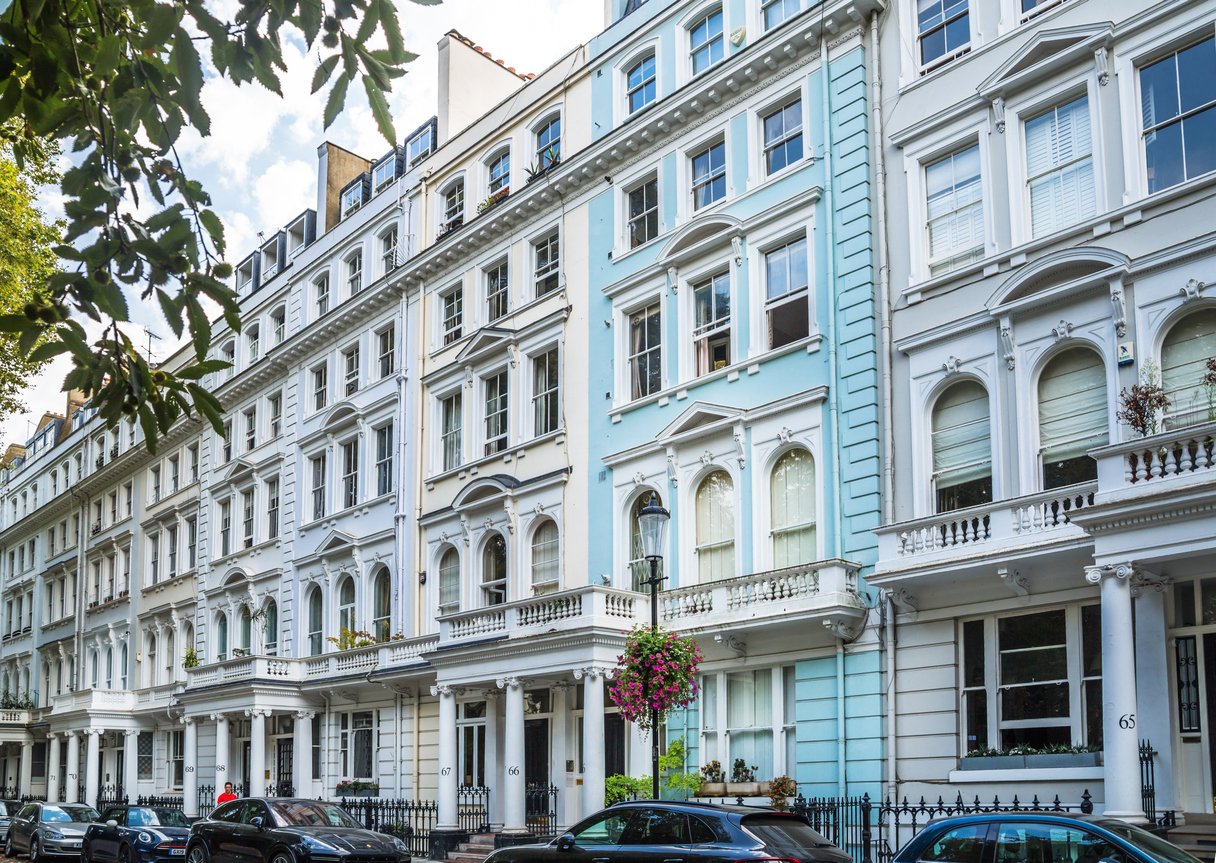
London contains a wide range of residential properties that may be considered for children's residential care, including larger houses in suburban areas.
However, London's property costs, planning requirements, transport patterns and neighbourhood characteristics mean that suitability needs to be assessed carefully.
A property may look ideal because it has several bedrooms, but its location, outdoor space, layout, neighbouring uses, planning position and refurbishment costs may make the opportunity less straightforward.
Fraser Bond can help landlords and care providers assess property opportunities across London and the wider UK, including sourcing suitable buildings, property due diligence, refurbishment coordination and specialist property support.
How Fraser Bond can help source suitable children's home property
Fraser Bond works with landlords, investors and specialist care operators looking for property opportunities.
For care providers, this can involve identifying properties that match the intended children's home model and assessing practical issues before proceeding.
For landlords, the focus can be on understanding whether a property is appropriate for specialist children's residential use and connecting the opportunity with suitable operators.
The objective is not simply to find a large house. It is to identify a property where the building, location, planning position, care model and commercial structure can work together.
Children's Home Property Checklist
Before committing to a property, a provider should consider:
-
Is the building suitable for the intended number of children?
-
Does the layout provide suitable private and communal spaces?
-
Can the property support the proposed statement of purpose?
-
Is the location appropriate for the children?
-
Are schools and health services accessible?
-
Have local safeguarding risks been assessed?
-
Are there significant environmental hazards nearby?
-
Is the planning position clear?
-
Can the property meet relevant fire and health and safety requirements?
-
What refurbishment is required?
-
Who will pay for the works?
-
Is the property financially viable to operate?
A property suitable for a children's home needs to work both as a building and as part of a wider care environment. Thorough property and location due diligence before acquisition or leasing can help providers avoid expensive problems later.