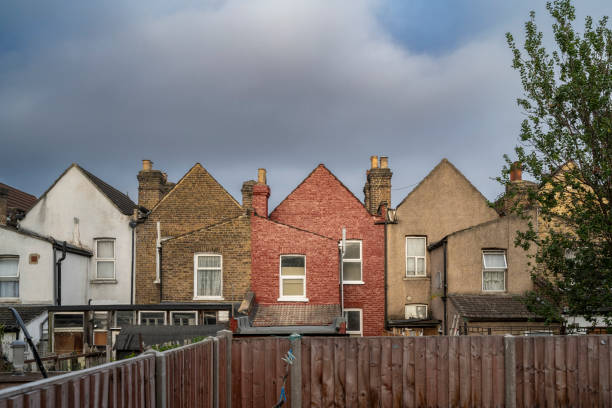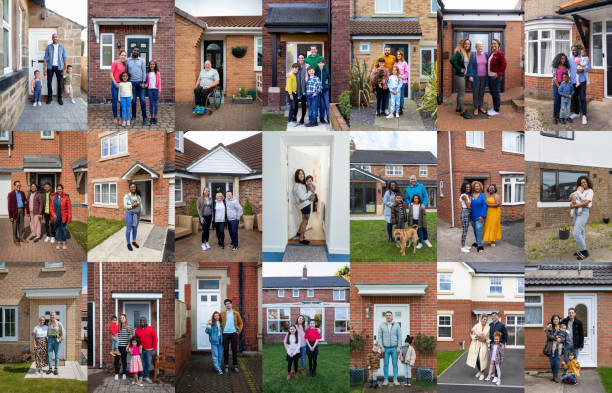
Houses Wanted for Supported Living Providers - What Makes a House Suitable?
Explore houses wanted by supported living providers, including location, bedrooms, accessibility, communal space, planning, safety, refurbishment and lease requirements for landlords and investors.
Houses wanted for supported living providers are increasingly relevant to landlords, property investors and owners with residential properties that could potentially accommodate people who need support to live more independently.
Supported living can involve people having their own accommodation while receiving care, support or supervision. The exact arrangement varies depending on the residents, provider and service model.
For property owners, the opportunity is not simply about finding a house with enough bedrooms. The building needs to be suitable for its intended residents, practical for the provider to operate and capable of meeting relevant housing, safety, accessibility and planning requirements.
Government guidance states that supported housing should provide safe, appropriate accommodation that meets residents' needs, with housing that is accessible, suitably located, well maintained and compliant with relevant building, fire and health and safety requirements.
Fraser Bond can support landlords, investors and supported living providers with property sourcing, lettings, refurbishment, building works, maintenance, property management and wider property requirements.
What Houses Do Supported Living Providers Look For?
There is no single house specification that applies to every supported living provider.
Depending on the service, providers may consider:
-
Terraced houses
-
Semi-detached houses
-
Detached houses
-
Bungalows
-
Large family houses
-
Former care properties
-
Houses requiring refurbishment
-
Accessible homes
-
Properties with gardens
-
Properties with parking
-
Houses close to public transport and local amenities
The appropriate property depends on the people who will live there and the type of support being provided.
A four-bedroom house may work for one supported living model but be unsuitable for another.
Location Can Determine Whether a House Works
Supported living providers may look for houses in locations where residents can access everyday services and maintain as much independence as possible.
Useful locations may be close to:
-
Bus and rail services
-
Shops and supermarkets
-
GP surgeries
-
Pharmacies
-
Hospitals
-
Community facilities
-
Parks
-
Leisure facilities
-
Employment
-
Education
-
Places of worship
-
Family networks
The right location depends on the needs of the intended residents.
A large house in an isolated location may be less suitable than a smaller property within easy reach of essential services.
Large Houses Can Be Suitable for Supported Living
Large residential houses can sometimes provide the combination of private and shared space required by supported living providers.
Features that may make a house worth considering include:
-
Several bedrooms
-
Multiple bathrooms
-
Ground-floor accommodation
-
Large kitchen
-
Communal lounge
-
Dining space
-
Garden
-
Parking
-
Flexible rooms
-
Good natural light
-
Accessible entrance
-
Transport links
However, size alone does not make a property suitable.
The internal arrangement, resident profile, accessibility, planning position and operational model all need to be assessed.
Bedroom Numbers and Layout
Providers may search for houses with three, four, five or more bedrooms depending on their requirements.
Important considerations can include:
-
Bedroom sizes
-
Number of bathrooms
-
Ground-floor bedrooms
-
Private space
-
Storage
-
Staff facilities
-
Accessible bedrooms
-
Relationship between bedrooms and communal areas
Government supported housing guidance recommends adequate bedrooms and says unrelated adults should generally not be expected to share bedrooms except in emergency or short-term accommodation.
A landlord should therefore avoid marketing a property purely by bedroom count. The overall layout matters just as much.
Ground-Floor Accommodation Can Add Flexibility
Ground-floor bedrooms and living areas may be particularly useful where residents have mobility difficulties or other accessibility requirements.
Depending on the intended residents, providers may look for:
-
Ground-floor bedroom
-
Ground-floor bathroom
-
Level entrance
-
Wide doorways
-
Accessible circulation
-
Space for mobility equipment
-
Accessible garden access
A property without these features may still be suitable if adaptations are practical.
Accessibility Should Be Assessed Before Agreeing a Lease
Supported living providers may support people with physical disabilities, learning disabilities, autism, mental health needs or other support requirements.
A house may therefore need adaptations such as:
-
Ramps
-
Grab rails
-
Accessible bathrooms
-
Walk-in showers
-
Wider doors
-
Handrails
-
Improved lighting
-
Accessible kitchen arrangements
-
Safer external paths
-
Additional security measures
The required adaptations depend on the residents.
Government guidance recommends that supported housing is accessible and appropriate to residents' health, care and support needs, with reasonable adjustments made where required.
Communal Space Is Important
Supported living should provide people with a home rather than simply a collection of bedrooms.
Depending on the service, providers may want:
-
Communal lounge
-
Dining area
-
Shared kitchen
-
Quiet room
-
Activity space
-
Garden
-
Private meeting space
-
Staff workspace
Government guidance recommends appropriate living space and common areas while also emphasising residents' privacy and dignity.
The balance between private and shared space should reflect the needs of the residents.
Gardens and Outdoor Space
A garden can be valuable for supported living properties.
It may provide:
-
Outdoor recreation
-
Gardening opportunities
-
Quiet space
-
Social activities
-
Accessible outdoor living
-
Private relaxation
For some resident groups, a secure and manageable garden may be particularly useful.
However, outdoor space also creates maintenance responsibilities, so the landlord and provider should establish who will maintain it under the lease.
Parking and Transport
Parking may be important where residents, staff, carers or visitors require vehicles.
Providers may consider:
-
Private driveway
-
Multiple parking spaces
-
Accessible parking
-
On-street parking
-
Visitor parking
-
Proximity to public transport
A house does not necessarily need extensive private parking, but the practical requirements should be established before agreeing the property.
Planning Use Needs to Be Checked
A house being marketed as suitable for supported living does not automatically mean that the proposed use is lawful from a planning perspective.
The planning position depends on the specific circumstances, including:
-
How the property will be occupied
-
Number of residents
-
Level of care or support
-
Staffing arrangements
-
Whether residents have individual tenancy arrangements
-
Physical alterations
-
Existing lawful use
-
Local planning policies
Where there is uncertainty, the provider and landlord should obtain appropriate planning advice before proceeding.
The planning position should be assessed separately from any care or support regulatory requirements.
Supported Living Is Not Automatically a CQC Location
This is an important distinction for landlords advertising houses to supported living providers.
CQC's current guidance states that individual houses where people live under a supported living scheme are generally not CQC locations. Instead, the relevant location is usually the premises from which the provider coordinates and manages the regulated care activity.
An exception can apply where a substantial office within a supported living house is separate from residents' personal living space and is the only office from which the provider manages the care service in the relevant area.
Landlords should therefore avoid assuming that a house itself needs to be described as a "CQC property".
The provider should establish its own registration requirements based on the service it intends to deliver.
Fire Safety and House Condition
A supported living house needs to be safe and properly maintained.
Relevant areas can include:
-
Fire alarms
-
Escape routes
-
Fire doors
-
Electrical systems
-
Gas safety
-
Heating
-
Hot water
-
Lighting
-
Windows
-
Doors and locks
-
Kitchen equipment
-
Stairways
-
External paths
Government supported housing guidance states that buildings should comply with relevant fire, building and housing safety requirements and should be free from serious hazards.
Where residents may need assistance to evacuate, the building and fire strategy should be assessed with their specific needs in mind.
Houses Requiring Refurbishment Can Be Considered
Supported living providers do not necessarily require newly refurbished houses.
A property requiring work may be considered where the location, size and layout are appropriate and the refurbishment can be completed economically.
Potential works include:
-
Bathroom upgrades
-
Kitchen refurbishment
-
Accessibility adaptations
-
Electrical upgrades
-
Heating improvements
-
Fire safety works
-
Flooring
-
Internal reconfiguration
-
Door upgrades
-
Garden works
-
Security improvements
Fraser Bond can assist landlords and providers with refurbishment planning, building works, contractor coordination, repairs and property maintenance.
Who Pays for Adaptations?
This should be agreed before the lease is signed.
Possible arrangements include:
Landlord-funded works
The owner completes the required refurbishment before occupation.
Provider-funded works
The supported living provider carries out approved adaptations.
Shared investment
The landlord funds structural works while the provider pays for specialist equipment or internal adaptations.
The lease should clearly state who owns improvements and who is responsible for maintenance and reinstatement.
Long-Term Leases for Supported Living Houses
A supported living provider may require a longer lease where it is investing in the property or establishing a long-term service.
Landlords and providers should discuss:
-
Lease length
-
Rent
-
Rent review
-
Deposit
-
Repairs
-
Insurance
-
Service charges
-
Alterations
-
Maintenance
-
Planning responsibilities
-
Compliance responsibilities
-
Assignment
-
Subletting
-
Break clauses
-
Reinstatement obligations
A specialist solicitor should review the final agreement.
What Landlords Should Prepare Before Marketing a House
A landlord can make the property easier for providers to assess by preparing a property information pack.
This could include:
-
Full address
-
Property type
-
Number of bedrooms
-
Number of bathrooms
-
Floor plans
-
Floor area
-
Parking information
-
Garden details
-
EPC
-
Gas safety information
-
Electrical inspection information
-
Building work history
-
Planning history
-
Current lawful use
-
Recent refurbishment details
-
Photographs
-
Proposed rent
-
Lease expectations
Providing accurate information early can reduce unnecessary enquiries from providers whose requirements do not match the property.
Questions Supported Living Providers Should Ask Landlords
Before taking a house, a provider may want to establish:
-
What is the property's current lawful use?
-
Has it previously been used for supported accommodation?
-
Are there restrictions on occupation?
-
Is planning advice required?
-
Are alterations permitted?
-
Who will fund adaptations?
-
What is the condition of the property?
-
Are safety certificates available?
-
Who handles repairs?
-
Is the landlord prepared to offer a long-term lease?
-
Can the provider install specialist equipment?
-
What happens to improvements when the lease ends?
These questions can identify potential problems before the provider commits.
What Landlords Should Ask Supported Living Providers
Landlords should also carry out due diligence on prospective operators.
Useful questions include:
-
Who will occupy the property?
-
What type of support will be provided?
-
Will regulated personal care be delivered?
-
Who manages the support service?
-
Who pays the rent?
-
What is the proposed lease term?
-
What adaptations are required?
-
Who funds the refurbishment?
-
How will repairs be handled?
-
What experience does the provider have?
-
What local demand supports the proposed service?
A strong property agreement should reflect the actual operating model.
Houses for Different Supported Living Groups
Supported living serves a broad range of residents.
Depending on the provider, houses may be sought for:
-
People with learning disabilities
-
Autistic people
-
People with physical disabilities
-
People with mental health support needs
-
Older people
-
Young people with support needs
-
People moving away from homelessness
-
People recovering from substance dependence
-
People fleeing domestic abuse
Government guidance confirms that supported housing serves diverse groups and that property standards should be considered in the context of the particular client group and scheme.
This is why a property specification should be created around the intended residents rather than simply asking for a "large house".
Former Care Homes Can Be Alternative House Opportunities
Former care homes may sometimes interest supported living providers because they can already have:
-
Multiple bedrooms
-
Several bathrooms
-
Communal areas
-
Gardens
-
Parking
-
Accessibility features
-
Fire safety infrastructure
However, the layout may be too institutional for some supported living models.
A provider may need to create more private living space or alter communal areas to make the building feel more like a home.
The planning and regulatory position should be reviewed before assuming that the previous care use can continue under a new supported living model.
A Practical Example for Landlords
Imagine a landlord owns a five-bedroom semi-detached house in Birmingham.
The property has:
-
Five bedrooms
-
Two bathrooms
-
Two reception rooms
-
A large kitchen
-
Rear garden
-
Driveway
-
Ground-floor bedroom
-
Good bus connections
A supported living provider is looking for a long-term property for residents who require structured support but individual accommodation.
The house may be worth investigating because the layout provides private bedrooms alongside shared living space.
However, the provider would still need to assess accessibility, planning, fire safety, property condition, resident suitability and the proposed operating model.
The example is illustrative only and does not mean that every five-bedroom house would be suitable.
Build a Clear House Requirement
Providers searching for houses can improve their property search by preparing a detailed brief.
For example:
Property type: House or bungalow
Bedrooms: 3-6
Bathrooms: 2+ preferred
Location: Selected UK towns or London boroughs
Accessibility: