Property Wanted for Supported Living UK - What Providers and Operators Look For
Explore property wanted for supported living in the UK, including suitable buildings, location, accessibility, planning, property condition, landlord requirements and preparation for supported housing providers.
Property wanted for supported living can range from individual houses and flats to larger residential buildings and purpose-designed accommodation.
Supported living allows people to live in their own accommodation while receiving support based on their individual needs. The property itself therefore needs to provide suitable housing, while the support arrangement must be structured appropriately around the people living there.
For landlords, investors and property owners, understanding what supported living providers look for can help identify whether a property could be suitable for this market.
For operators, having a clear property brief can make it easier to find buildings that match their service model, client group and operational requirements.
What Property Is Wanted for Supported Living?
There is no single property specification for every supported living provider.
Requirements can vary depending on whether the accommodation is intended for:
-
People with learning disabilities
-
Autistic people
-
People with physical disabilities
-
People with mental health needs
-
Older people
-
Young adults
-
People transitioning from homelessness
-
People leaving hospital or other supported settings
-
Other groups requiring housing and support
Supported housing is a broad sector, with different models designed around different needs. Government guidance also recognises a range of supported housing types and the importance of understanding local supply, unmet need and future demand.
The property should therefore be assessed against the provider's intended service rather than simply being described as a "supported living property".
Houses Wanted for Supported Living
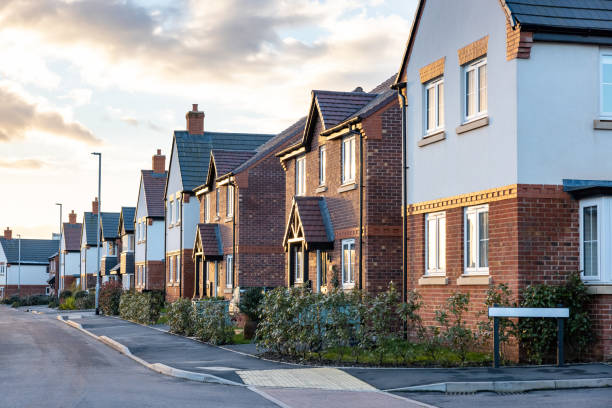
Houses can be suitable for supported living where their layout and location meet the operator's requirements.
Potentially suitable properties may include:
-
Detached houses
-
Semi-detached houses
-
Terraced houses
-
Bungalows
-
Large family homes
-
Houses with multiple bedrooms
-
Properties with accessible ground-floor accommodation
Operators may look for properties with enough space for residents to have private living areas while also providing suitable communal facilities.
The number of bedrooms is only one part of the assessment. Internal layout, bathrooms, accessibility, outdoor space and location can be equally important.
Flats and Apartments for Supported Living
Supported living does not necessarily require a large house.
Depending on the service model, operators may consider:
-
Individual flats
-
Ground-floor apartments
-
Accessible apartments
-
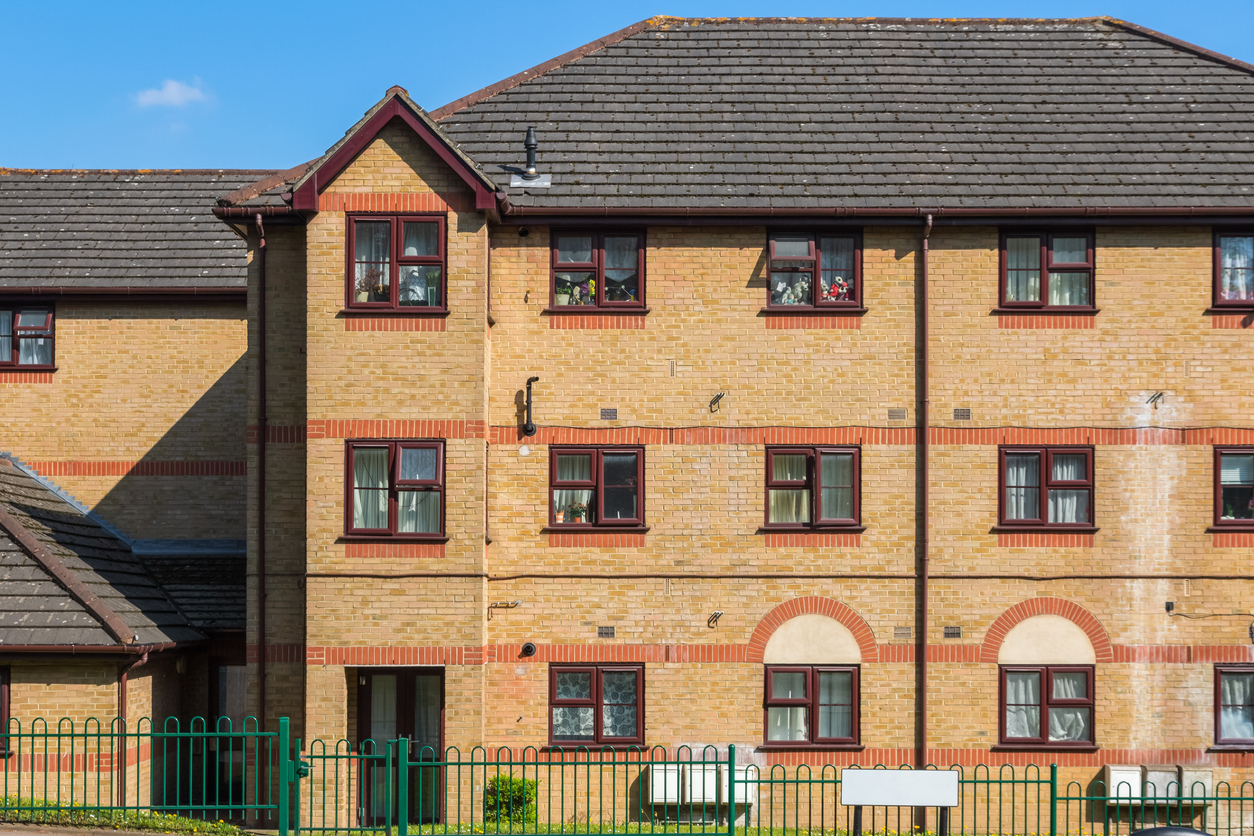
Blocks containing several units
-
Flats close to transport and local amenities
-
Purpose-built supported accommodation
Individual flats can be particularly relevant where residents are expected to have greater independence while receiving support.
The tenancy and care arrangements should be structured appropriately. CQC explains that individual homes where people live under supported living arrangements are not usually CQC locations themselves when the accommodation is separate from the provision of care.
Large Properties for Supported Living
Larger buildings can sometimes provide opportunities for supported living operators.
Potential examples include:
-
Large residential houses
-
Former care homes
-
Former guest houses
-
Former supported accommodation
-
Converted properties
-
Small blocks of flats
-
Purpose-built accommodation
However, a large property is not automatically suitable.
The operator should consider whether the building can provide an appropriate balance between private accommodation, communal space, staff facilities and accessibility.
Former Care Homes Wanted for Supported Living
Former care homes may attract interest from supported living providers where the building can be adapted to a different service model.
Potential advantages can include:
-
Multiple bedrooms
-
Existing bathrooms
-
Communal rooms
-
Kitchens
-
Accessible entrances
-
Staff areas
-
Gardens
-
Parking
However, the previous care-home use should not be treated as proof that the property is automatically suitable for supported living.
The proposed use, planning position, building condition and service model should all be assessed independently.
An incoming provider may also have different requirements from the previous operator.
Property Location Matters
Location is one of the most important factors when searching for property wanted for supported living.
Operators may consider proximity to:
-
Shops
-
GP surgeries
-
Pharmacies
-
Hospitals
-
Public transport
-
Parks
-
Employment opportunities
-
Education
-
Community facilities
-
Leisure facilities
The appropriate location depends heavily on the people who will live in the accommodation.
A property intended for residents who are developing greater independence may benefit from convenient access to shops, public transport and community facilities.
A specialist service may have different location requirements.
Accessibility Requirements
Accessibility can be a major consideration when a property is being considered for supported living.
Operators may assess:
-
Step-free access
-
Door widths
-
Ground-floor bedrooms
-
Accessible bathrooms
-
Wet rooms
-
Level thresholds
-
Internal circulation
-
Handrails
-
Stair configuration
-
Lift requirements
-
Accessible parking
-
External pathways
The required specification depends on the residents' needs.
A property that requires only minor adaptations for one supported living model could require substantial work for another.
Bedrooms and Private Space
Supported living is intended to provide accommodation where residents can live with an appropriate degree of independence.
Property searches may therefore focus on the quality and configuration of individual living spaces.
Consider:
-
Bedroom size
-
Natural light
-
Privacy
-
Storage
-
En-suite potential
-
Ground-floor accommodation
-
Space for personal furniture
-
Accessibility
-
Emergency access
The operator should determine whether residents will have individual tenancies or another form of occupancy arrangement before finalising the property requirements.
Communal Areas
Some supported living models require shared areas where residents can interact, receive support or take part in activities.
Potential communal spaces include:
-
Shared lounge
-
Dining area
-
Kitchen
-
Activity room
-
Meeting room
-
Quiet space
-
Garden
-
Outdoor seating
The amount of communal space required depends on the service model.
A property with extensive communal areas may be attractive for some schemes but unnecessarily expensive for a model based mainly around independent flats.
Staff and Support Space
Supported living providers may also require dedicated space for staff.
Depending on the service, this could include:
-
Staff office
-
Secure records area
-
Staff room
-
Meeting space
-
Storage
-
Sleep-in room where appropriate
-
Equipment storage
CQC's current guidance explains that for supported living, the provider's CQC location is generally the premises from which care is organised and managed rather than the individual homes where people live. An exception can apply where a substantial office within a supported living property is the place from which the provider manages the service.
This distinction is important when owners and providers discuss the regulatory structure of a proposed scheme.
Planning for Supported Living Property
Planning should be reviewed before a property is marketed or committed to supported living.
The proposed use needs to be considered against:
-
Existing lawful use
-
Planning history
-
Number of residents
-
Nature of support
-
Degree of shared accommodation
-
Internal alterations
-
Extensions
-
Parking
-
Access
-
Local planning policies
Supported living is not simply a single planning category. The planning position depends on the precise accommodation and operating model.
Property owners should therefore obtain planning advice where there is uncertainty rather than assuming that a property can automatically be used for supported living.
CQC and Supported Living
Not every supported living property is itself a CQC location.
CQC's current guidance specifically states that individual houses where people live under supported living arrangements are not usually locations when the accommodation is separate from the provision of care. Instead, the provider's office from which the regulated care is organised and managed will generally be the relevant location.
However, a supported living provider may still need CQC registration depending on the regulated activities it provides.
CQC states that providers carrying out regulated activities in England must register, and it is an offence to provide a regulated activity without registration.
This means property owners should not describe a property as "CQC registered" simply because it has previously been used for supported living. The incoming provider needs to establish its own regulatory position.
Property Condition
A supported living provider will usually want to understand the property's current condition before agreeing terms.
Important areas include:
-
Roof
-
Windows
-
Heating
-
Plumbing
-
Electrical systems
-
Kitchen
-
Bathrooms
-
Flooring
-
Damp
-
Insulation
-
External areas
-
Fire safety
-
General repairs
Supported accommodation should be safe and well maintained. Government guidance on supported housing also highlights the landlord's responsibilities for keeping properties fit for habitation and maintaining essential installations such as water, electricity, sanitation, heating and hot water.
Refurbishment Opportunities
Some supported living providers may consider properties requiring refurbishment if the location and underlying building are suitable.
Potential works can include:
-
Bathroom adaptations
-
Wet-room installation
-
Kitchen upgrades
-
Electrical improvements
-
Heating upgrades
-
Accessibility works
-
Fire safety improvements
-
Internal reconfiguration
-
Flooring
-
Decoration
-
Garden improvements
-
Security upgrades
The operator and property owner should establish who will pay for the works and whether landlord consent is required.
Fraser Bond can assist with refurbishment planning, building works, contractor coordination, repairs and maintenance.
Parking and Transport
Parking requirements depend on the supported living model and location.
A property may need space for:
-
Residents
-
Staff
-
Visitors
-
Support workers
-
Deliveries
-
Accessible vehicles
-
Maintenance contractors
However, a property with limited parking may still work where residents rely heavily on public transport and local amenities.
The operator should therefore assess transport requirements alongside the resident profile.
Gardens and Outdoor Space
Outdoor space can be an important consideration for some supported living schemes.
Suitable features can include:
-
Private gardens
-
Shared gardens
-
Secure boundaries
-
Level paths
-
Seating areas
-
Accessible entrances
-
Low-maintenance landscaping
The value of outdoor space depends on the people who will live in the property.
A secure and accessible garden can be particularly useful where residents benefit from having safe outdoor areas close to home.
Supported Living Property for Rent
Many property owners may consider leasing suitable buildings to supported living providers.
Before agreeing a lease, both parties should clarify:
-
Rent
-
Lease term
-
Rent reviews
-
Repair obligations
-
Insurance
-
Maintenance
-
Alteration rights
-
Assignment
-
Subletting
-
Reinstatement
-
Compliance responsibilities
This becomes particularly important where the provider intends to adapt the property.
A long-term lease may require careful consideration of how refurbishment costs and future repairs are allocated between the landlord and operator.
Supported Living Property for Sale
Some operators, investors or housing providers may also consider purchasing suitable properties.
A purchase assessment should consider:
-
Purchase price
-
Stamp Duty Land Tax where applicable
-
Financing
-
Planning
-
Property condition
-
Refurbishment
-
Accessibility
-
Operating costs
-
Local demand
-
Long-term use
The property should be assessed on its overall suitability rather than simply its potential rental income.
What Landlords Should Prepare
Property owners who believe their building could be suitable for supported living can make the opportunity easier for operators to assess.
Useful information includes:
-
Property address
-
Floor plans
-
Number of bedrooms
-
Number of bathrooms
-
Property size
-
Existing use
-
Planning history
-
Parking
-
Garden or outdoor space
-
Accessibility
-
Property condition
-
EPC
-
Previous supported living or care use
-
Refurbishment history
-
Asking rent or sale price
-
Lease requirements
Accurate information can help operators quickly determine whether the property fits their requirements.
What Supported Living Providers Should Include in a Property Brief
Providers searching for property should prepare a clear specification.
For example:
-
Preferred location
-
Client group
-
Number of residents
-
Number of bedrooms
-
Bathroom requirements
-
Accessibility requirements
-
Communal space
-
Staff facilities
-
Garden requirements
-
Parking
-
Preferred tenure
-
Refurbishment tolerance
-
Budget
-
Planning requirements
A clear brief can help property agents identify opportunities that would otherwise be overlooked.
Where Property Wanted for Supported Living Can Be Found
Suitable opportunities may include:
-
Existing supported living properties
-
Former care homes
-
Large residential houses
-
Bungalows
-
Former guest houses
-
Small apartment blocks
-
Purpose-built supported housing
-
Vacant institutional buildings
-
Properties requiring refurbishment
-
Development opportunities
Local authority supported housing strategies can also provide useful context because councils are expected to assess existing supply, unmet need and future demand within their areas.
However, a local authority strategy does not automatically mean that a particular private property has demand or planning approval.
A Practical Supported Living Property Example
Suppose a supported living provider is looking for accommodation for six adults.
The initial property brief might require:
-
Six bedrooms
-
Two or more communal areas
-
Several bathrooms
-
Accessible ground-floor accommodation
-
Kitchen facilities
-
Staff office
-
Garden
-
Parking
-
Good public transport
-
Local shops and healthcare facilities
-
Potential for minor refurbishment
A large house may satisfy much of the brief, while a smaller block of flats could provide greater individual independence.