How to Find Where a Leak Is Coming From – Water Leak Detection Guide
Knowing how to find where a leak is coming from can prevent a small plumbing problem from becoming serious water damage. The visible damp patch is not always directly beneath the source: water can travel along pipes, joists, walls and ceilings before appearing somewhere else.
A systematic investigation can help determine whether the water is coming from a plumbing pipe, bathroom fitting, roof, appliance, central-heating system, underground supply pipe or external drainage problem.
Through FraserBond.com, homeowners, landlords and property managers can explore leak detection, plumbing repairs and property-maintenance services across London and the UK.
Signs You May Have a Hidden Water Leak
Common warning signs include:
- Damp patches
- Water stains on ceilings
- Peeling paint
- Bubbling plaster
- Mould
- Musty smells
- Unexpectedly high water bills
- Reduced water pressure
- Boiler pressure repeatedly dropping
- Wet flooring
- Water sounds when nothing is running
- Water meter movement when outlets are off
A leak should be investigated promptly, particularly where water is approaching electrical fittings or damaging ceilings.
Start With Where the Water Appears
First identify exactly where you can see the problem.
Ask:
- Is the ceiling wet?
- Is water coming through a wall?
- Is the floor wet?
- Is the problem beside a toilet?
- Is it underneath a sink?
- Is it near a radiator?
- Does it happen only when it rains?
- Does it appear after using a shower or bath?
The timing can be as important as the location.
How to Trace a Water Leak
A useful diagnostic sequence is:
Identify Damp Area → Check Fixtures Above/Nearby → Observe When It Appears → Check Water Meter → Isolate Possible Sources → Use Specialist Leak Detection if Necessary
Avoid immediately opening large sections of walls or flooring unless there is good evidence of where the leak originates.
Check the Water Meter for a Leak
For properties with an individual water meter, the meter can help indicate whether water is escaping from the mains-fed plumbing.
Where safe and practical:
- Turn off taps.
- Ensure toilets and appliances are not using water.
- Note the meter reading.
- Avoid using water for a period.
- Check whether the meter has changed.
Unexpected movement may indicate water is still flowing somewhere.
However, this test does not identify the precise location and will not necessarily detect every type of leak, such as rainwater ingress or some heating-system leaks.
Water Leak Coming Through the Ceiling
A ceiling leak can originate from several locations.
If there is a bathroom above, investigate:
- Bath
- Shower
- Toilet
- Basin
- Waste pipes
- Water-supply pipes
- Sealant
- Tiling
If there is no plumbing above, consider:
- Roof leak
- Heating pipe
- Water tank
- Pipework between floors
Water can travel before becoming visible, so the stain may not sit directly underneath the failed component.
Ceiling Leaks When It Rains
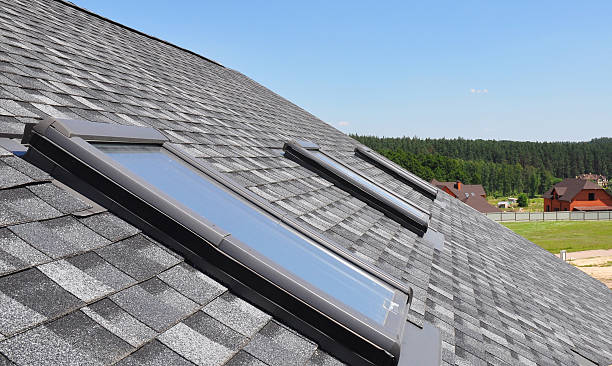
If water appears only during or shortly after rainfall, investigate the building exterior.
Potential sources include:
- Roof tiles
- Flashing
- Chimney
- Flat roof
- Gutters
- Valleys
- Roof penetrations
- External walls
- Window surrounds
A rain-related leak is less likely to be caused by an ordinary pressurised plumbing pipe.
Ceiling Leaks When Shower Is Used
If water appears only when someone showers, possible causes include:
- Shower waste
- Tray
- Bath waste
- Failed sealant
- Pipe connection
- Shower valve
- Water escaping around the screen
Testing different components separately can help isolate the source.
For example, a drainage leak may occur only when water enters the waste, whereas a supply leak may continue regardless of whether the shower is being used.
Leak Under a Bath
Common sources include:
- Bath waste
- Overflow
- Tap connections
- Shower hose
- Supply pipes
- Failed seal around the bath
An overflow leak may appear only when the bath is filled high enough for water to reach the overflow opening.
This is why reproducing the exact circumstances can be useful.
Leak Under a Shower
Possible causes include:
- Failed waste connection
- Cracked tray
- Damaged sealant
- Plumbing connection
- Shower enclosure
- Failed waterproofing
Do not assume replacing silicone will solve every shower leak.
If water is getting through failed waterproofing behind tiles, surface sealant may provide only a temporary or ineffective solution.
Leak Around a Toilet
Water around a toilet can originate from:
- Cistern
- Fill valve
- Supply connection
- Flush pipe
- Pan connector
- Condensation
- Internal overflow
Observe whether the water appears continuously, during cistern filling or only when the toilet is flushed.
That distinction can considerably narrow the diagnosis.
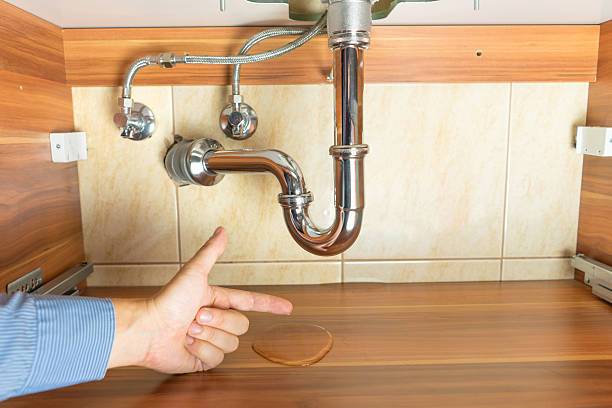
Leak Under a Sink
Check:
- Tap connections
- Flexible hoses
- Isolation valves
- Trap
- Waste pipe
- Sink seal
- Dishwasher connections
Dry the area first, then observe individual components while water is used.
A waste leak normally appears when the sink drains, whereas a pressurised supply leak can continue even when the tap is off.
Leak Behind a Wall
Possible warning signs include:
- Damp plaster
- Paint bubbling
- Persistent mould
- Discolouration
- Unexplained water use
- Moisture near skirting boards
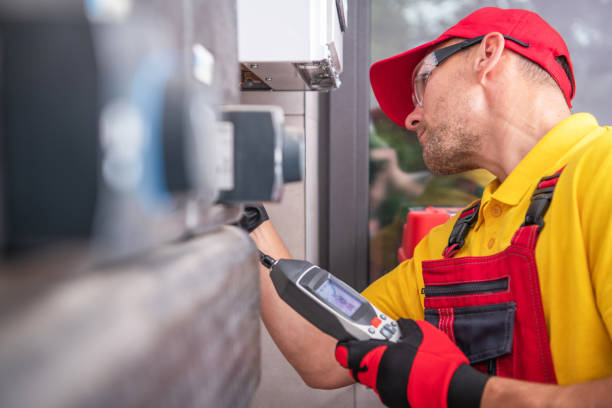
Specialist investigation may use non-destructive techniques before opening the wall.
Leak Under the Floor
Leaks beneath flooring can be difficult to locate.
Signs can include:
- Damp floor coverings
- Warped timber
- Unusual warm spots
- Mould
- Water-meter movement
- Falling boiler pressure
Depending on the plumbing system, a specialist may use acoustic detection, thermal imaging, tracer gas or pressure testing.
Underground Water Leak
An underground supply-pipe leak may cause:
- Increased metered consumption
- Reduced flow or pressure
- Damp ground
- Unusually lush vegetation
- Water appearing outside
- Meter movement when the property is not using water
Digging randomly across a driveway or garden is rarely the best first approach.
Professional detection can help narrow the repair area.
How Leak Detection Specialists Find Hidden Leaks
Depending on the circumstances, specialists can use several methods.
Acoustic Leak Detection
Sensitive listening equipment can detect sounds produced by escaping pressurised water.
Thermal Imaging
Infrared equipment can identify temperature differences associated with some hot-water and heating leaks.
It does not literally see through walls, and not every leak produces a useful thermal pattern.
Tracer Gas
A detectable gas mixture can be introduced into suitable pipework and monitored for where it escapes.
This can be useful where acoustic detection is difficult.
Pressure Testing
Sections of plumbing can be tested to establish whether they are losing pressure.
Moisture Measurement
Moisture meters can help map damp areas and guide further investigation.