Water Leak Repair – Leak Detection and Emergency Plumbing Services
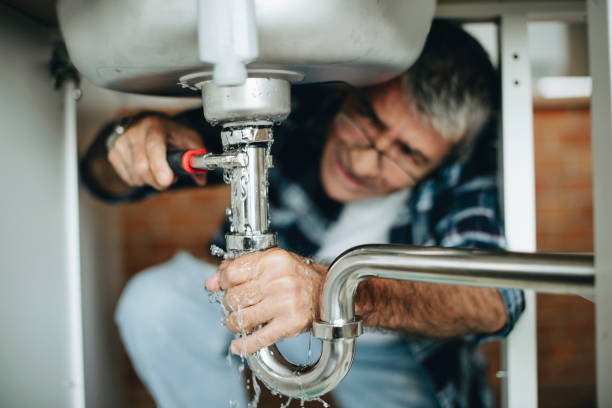
A water leak repair can range from fixing a small leaking pipe beneath a sink to locating a concealed leak behind a wall, beneath flooring or underground. Acting quickly is important because an unresolved leak can damage plaster, flooring, ceilings, timber, electrical installations and neighbouring properties.
Common sources include pipework, toilets, taps, showers, radiators, appliances, water tanks and cisterns. Hidden leaks may instead reveal themselves through damp patches, mould, reduced water pressure, unexplained water use or the sound of continuously running water.
Through FraserBond.com, homeowners, landlords, investors and property managers can explore leak detection, plumbing and property-repair services across London and the UK.
What to Do if You Have a Water Leak
If water is escaping rapidly, reducing the flow should be the immediate priority.
WaterSafe advises turning off the property's water at the internal stop tap. This is often located beneath the kitchen sink, although it can also be in a downstairs bathroom, utility room, garage, cellar or beneath the stairs. The valve should be operated gently rather than forced.
For a significant burst pipe:
- Turn off the water supply.
- Switch off the heating or boiler.
- Manage escaping water with containers or towels where safe.
- Move possessions away from the affected area.
- Contact a qualified plumber.
- If water has reached electrical equipment or wiring, do not touch affected electrical items; isolate electricity at the mains only if it is safe to do so.
If you cannot isolate the water, contact a plumber. WaterSafe advises that external stop taps are generally intended to be operated by the water supplier or a qualified plumber, and permission from the supplier may sometimes be necessary.
Professional Water Leak Repair
A plumber should first establish where the water is coming from and why the leak occurred.
The process may involve:
Leak Investigation → Isolation → Access → Pipe Repair → Pressure/Leak Testing → Drying → Making Good
The plumbing repair and the repair of resulting property damage are often separate stages.
For example, a plumber might repair a pipe behind a bathroom wall, after which plastering, tiling and decoration are required.
Signs of a Hidden Water Leak
Not every leak produces visible dripping water.
Possible warning signs include:
- Damp walls
- Wet ceilings
- Mould
- Stained plaster
- Peeling paint
- Warped flooring
- Reduced water pressure
- Unexplained water usage
- Running-water noises
- Persistent damp smells
WaterSafe also identifies unusually high metered consumption, rust, changes in vegetation and constant running-water sounds as possible indicators.
How to Check for a Hidden Leak
If your property has a water meter, you can carry out a basic check.
WaterSafe recommends switching off taps and water-using appliances, allowing tanks and cisterns to finish filling, recording the meter reading and then checking it again after at least two hours without using water. An increased reading can indicate a leak.
This can establish that water is being lost, but it does not necessarily tell you where.
A leak-detection specialist may then be required.
Water Leak Detection
Finding the source before opening walls or floors can reduce unnecessary disruption.
Depending on the pipework and circumstances, professional investigation can involve:
- Moisture measurements
- Pressure testing
- Acoustic detection
- Thermal imaging
- Tracer gas
- Pipe tracing
- Visual inspection
- Water-meter testing
No single method is suitable for every leak.
Thermal imaging, for example, can identify temperature differences that help with some heating or hot-water leaks, but it should not be presented as a universal method for locating every concealed pipe leak.
Leaking Pipe Repair
Common pipe defects include:
- Failed joints
- Corroded pipework
- Damaged fittings
- Frozen or burst pipes
- Accidental drilling damage
- Deteriorated seals
- Poor previous installations
The appropriate repair could involve replacing a fitting, cutting out a defective pipe section or replacing a larger length of deteriorated pipework.
A temporary patch should not automatically be treated as a permanent solution.
Burst Pipe Repair
A burst pipe is usually an emergency because substantial quantities of water can escape quickly.
Once the water is isolated, the plumber can assess:
- Why the pipe failed
- Whether nearby pipework is damaged
- Whether freezing contributed
- Whether the affected section can be repaired
- Whether replacement is more appropriate
WaterSafe recommends using a recognised plumber for the permanent repair after a burst pipe.
Water Leak From the Ceiling
Water appearing through a ceiling could originate from:
- Bathroom plumbing
- Shower
- Bath
- Toilet
- Heating pipes
- Water tank
- Roof
- Flat above
The visible ceiling stain may not be directly underneath the source because water can travel along joists, pipes and other building elements.
Where a ceiling is bulging significantly with trapped water, keep people away from the affected area and arrange professional assessment.
If electrical fittings are wet, treat the situation as an electrical hazard as well as a plumbing problem.
Bathroom Water Leaks
Bathrooms contain numerous potential leak points:
- Shower connections
- Bath waste
- Basin waste
- Taps
- Toilet cistern
- Toilet supply
- Concealed shower valves
- Pipe joints
- Failed seals
A bathroom that appears to be leaking through tiles may actually have a plumbing defect behind them.
Conversely, defective waterproofing or seals can also allow shower water into the structure even when the plumbing itself is sound.
Correct diagnosis matters before removing expensive finishes.
Shower Leak Repair
A leaking shower may result from:
- Failed silicone
- Defective waste
- Loose pipe connections
- Shower-valve problems
- Failed waterproofing
- Cracked tray
- Screen seals
Avoid repeatedly covering suspected defects with new silicone without first establishing the source.
A concealed pipe leak needs a different repair from a failed shower enclosure seal.
Toilet Leak Repair
Toilets can leak visibly or silently.
Common problems include:
- Cistern continuously filling
- Water running into the pan
- Failed inlet valve
- Flush-valve seal failure
- Leaking supply connection
- Pan-connector leak
- Condensation
A continuously running toilet can also waste substantial amounts of metered water even when it causes no visible property damage.
Kitchen Water Leak Repair
Kitchen leaks commonly occur around:
- Sink plumbing
- Taps
- Dishwasher connections
- Washing-machine hoses
- Waste pipes
- Water filters
- Fridge connections
- Supply pipes
Water underneath cabinets can travel unnoticed for some time.
Inspect the cabinet base, flooring and surrounding materials after the plumbing repair, particularly if the leak has been occurring for an extended period.
Radiator and Heating Leaks
A heating-system leak may appear around:
- Radiator valves
- Pipe joints
- Radiator bodies
- Boiler connections
- Concealed heating pipes
Current 2026 market guidance puts an average leaking-radiator repair at around £295, with a broad indicative range of £140–£450. Actual costs depend on the defect and access.
Boiler casing and internal gas-appliance repairs should be left to appropriately qualified professionals.
Underground Water Leak Repair
Underground supply-pipe leaks can occur beneath:
- Gardens
- Driveways
- Paths
- Floors
- Landscaped areas
Warning signs may include:
- Unexpectedly high water bills
- Reduced pressure
- Wet ground
- Water-meter movement
- Running-water sounds
WaterSafe recommends contacting your water supplier where you suspect a leak on an external supply pipe, as suppliers may sometimes be able to provide assistance.
Who Is Responsible for an Underground Water Leak?
Responsibility depends on where the leak occurs.
Broadly, the water company's communication pipe runs from the water main towards the property boundary, while the customer supply pipe runs from the boundary towards the building. Internal plumbing and the customer-owned supply pipe are generally the property owner's responsibility.
However, individual arrangements can differ, particularly with shared supplies, flats and unusual property layouts. Confirm responsibility with the relevant water company before commissioning substantial excavation.
Water Leak Repair Cost
Costs vary according to accessibility, urgency and the type of repair.
Current July 2026 UK market estimates give:
| Water leak service | Indicative cost |
|---|---|
| Leaking pipe repair | £220–£440 |