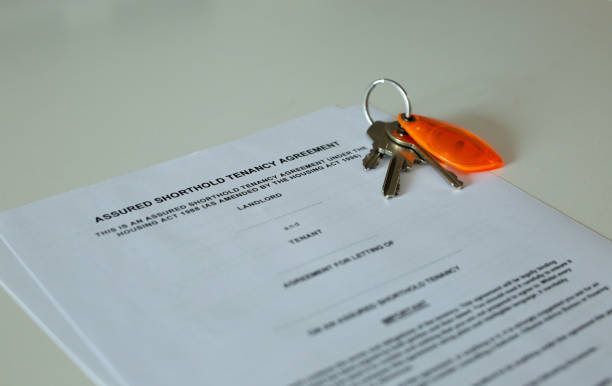
How to Get a Copy of My Tenancy Agreement UK - What Tenants Can Do
If you have lost your tenancy agreement or never received a copy, you may need it to confirm your rent, tenancy terms, responsibilities, notice requirements or other important conditions. Fortunately, there are several practical ways to obtain a copy.
A tenancy agreement is an important record of the arrangement between a landlord and tenant, so keeping a copy is useful throughout the tenancy and after you move out.
Ask Your Landlord for a Copy
The simplest option is to contact your landlord and request another copy of the tenancy agreement.
You can make the request by email, letter or another written method you normally use to communicate with your landlord. Ask for a complete copy, including any schedules, additional terms or documents that form part of the agreement.
Keeping the request in writing also creates a record that you asked for the document.
Contact Your Letting Agent
If you rented the property through a letting agent, contact the agency that arranged or manages the tenancy.
Letting agents commonly keep tenancy records and may be able to provide the original agreement electronically. If several years have passed, the agent may need to retrieve the document from its records.
Ask specifically for the signed tenancy agreement and any amendments that were made afterwards.
Check Your Email and Online Accounts
Before contacting your landlord or agent, search your email inbox for terms such as:
-
Tenancy agreement
-
Tenancy
-
Letting agreement
-
Contract
-
Property address
-
Landlord's name
-
Letting agent's name
The agreement may have been sent as a PDF when you moved into the property.
You should also check any tenant portal or online account used by your letting agent, as some agencies store tenancy documents there.
What If You Never Received a Written Agreement?
The position can depend on when your tenancy began and what type of tenancy you have.
For example, for new private tenancies in England from 1 May 2026, landlords must provide tenants with written information about key tenancy terms. This information can be included in a tenancy agreement or provided separately.
If you already have a written tenancy agreement for an older tenancy, it does not necessarily need to be replaced simply because the law has changed.
What If Your Landlord Refuses to Give You a Copy?
If your landlord refuses or ignores your request, keep a record of your communications and consider contacting the letting agent if one is involved.
You should also keep other evidence showing the terms of your tenancy, such as:
-
Rent payment records
-
Deposit information
-
Emails with the landlord
-
Text messages
-
Check-in documents
-
Inventory reports
-
Property advertisements
-
Rent statements
-
Previous correspondence
These records can help establish important aspects of your tenancy if the original agreement is unavailable.
Can You Still Prove Your Tenancy Without the Agreement?
Yes, a missing tenancy agreement does not necessarily mean you have no tenancy rights.
Other documents and communications can provide evidence of the arrangement, including records showing the property you occupy, rent paid, landlord details and agreed terms.
For tenants in England, current government guidance also recognises situations where a tenancy was agreed verbally and requires written information about key terms to be provided in certain circumstances.
Why You Should Keep Your Tenancy Agreement
Your tenancy agreement can be particularly useful when dealing with disputes about:
-
Rent payments
-
Notice periods
-
Repairs and maintenance
-
Deposit deductions
-
Responsibility for bills
-
Property alterations
-
Subletting
-
Pets
-
Ending the tenancy
-
Landlord or tenant obligations
It can also help when seeking housing advice or dealing with a dispute involving your landlord or letting agent.
How Fraser Bond Can Help
Finding an old tenancy agreement can become difficult when a property has changed hands, a letting agent is no longer managing it or important documents have been lost.
Fraser Bond provides professional property and landlord support across the UK, helping landlords, tenants and property owners deal with practical property matters. From tenancy administration and property management to maintenance and landlord support, having accurate documentation is an important part of managing a property properly.
If you need help with a tenancy-related property matter, Fraser Bond can provide practical guidance and professional property support.