


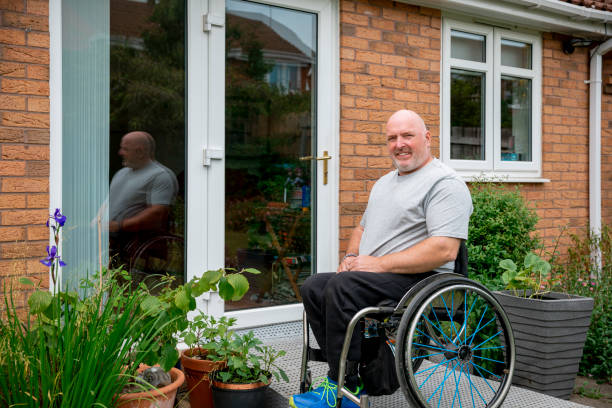
List of Recognised Disabilities in the UK - Conditions and Eligibility Guide 2026
Understanding which disabilities are recognised in the UK, including physical disabilities, mental health conditions, learning difficulties, neurological disorders and long-term illnesses, and how disability recognition affects legal rights and financial support.
Many people want to know whether their medical condition is recognised as a disability in the UK, particularly when applying for Personal Independence Payment (PIP), Universal Credit, Employment and Support Allowance (ESA), a Blue Badge or workplace adjustments.
In the UK, disability recognition depends on the legal definition being applied. The Equality Act 2010 provides protection against disability discrimination in England, Scotland and Wales, while Northern Ireland has separate disability discrimination legislation.
There is no single official list of medical conditions that automatically qualifies someone as disabled for every UK benefit or support scheme. Many physical and mental health conditions can qualify, depending on their severity and effects on everyday activities.
Fraser Bond provides residential lettings, property management and real estate consultancy services across London. Understanding disability-related rights is particularly important for tenants, homeowners and families seeking accessible accommodation and appropriate housing support.
What Disabilities Are Recognised in the UK?
The UK recognises a broad range of physical, sensory, intellectual and mental health impairments.
Examples include:
-
Physical disabilities.
-
Mobility impairments.
-
Visual impairments.
-
Hearing impairments.
-
Learning disabilities.
-
Neurological conditions.
-
Mental health conditions.
-
Developmental and neurodevelopmental conditions.
-
Long-term medical conditions.
-
Progressive and degenerative diseases.
The condition does not necessarily need to be visible or permanently present every day to qualify for legal disability protection.
1. Physical Disabilities
Physical disabilities can affect mobility, strength, coordination, balance and the ability to perform everyday activities.
Examples include:
-
Cerebral palsy.
-
Muscular dystrophy.
-
Multiple sclerosis.
-
Spina bifida.
-
Spinal cord injuries.
-
Amputations.
-
Paralysis.
-
Severe arthritis.
-
Rheumatoid arthritis.
-
Fibromyalgia.
-
Chronic fatigue syndrome.
-
Motor neurone disease.
-
Osteoporosis with significant functional effects.
-
Severe back conditions.
-
Limb deformities.
Some conditions fluctuate in severity, meaning that their effects may vary from day to day.
2. Mental Health Conditions
Mental health conditions may qualify as disabilities where they have a substantial and long-term effect on normal daily activities.
Examples include:
-
Depression.
-
Severe anxiety disorders.
-
Bipolar disorder.
-
Schizophrenia.
-
Obsessive compulsive disorder (OCD).
-
Post-traumatic stress disorder (PTSD).
-
Personality disorders.
-
Eating disorders.
-
Severe phobias.
-
Panic disorders.
-
Psychotic disorders.
-
Certain long-term trauma-related conditions.
A mental health diagnosis does not automatically establish disability status. The impact on everyday functioning is important.
3. Neurological Disabilities
Neurological conditions affect the brain, spinal cord and nervous system.
Examples include:
-
Epilepsy.
-
Parkinson's disease.
-
Multiple sclerosis.
-
Motor neurone disease.
-
Huntington's disease.
-
Dementia.
-
Alzheimer's disease.
-
Stroke-related neurological impairments.
-
Brain injuries.
-
Cerebral palsy.
-
Peripheral neuropathy.
-
Tourette syndrome.
These conditions may affect memory, coordination, movement, communication, concentration and independence.
4. Learning Disabilities
Learning disabilities can affect intellectual functioning and the ability to understand information or perform everyday tasks.
Examples include:
-
Down's syndrome.
-
Moderate or severe learning disabilities.
-
Developmental intellectual disabilities.
-
Certain genetic conditions affecting cognitive development.
-
Significant cognitive impairments following brain injury.
Learning disabilities should be distinguished from specific learning difficulties such as dyslexia and dyspraxia, although these can also qualify under disability legislation.
5. Neurodevelopmental Conditions
Neurodevelopmental conditions affect how the brain develops and processes information.
Examples include:
-
Autism spectrum disorder.
-
Attention deficit hyperactivity disorder (ADHD).
-
Dyslexia.
-
Dyspraxia.
-
Dyscalculia.
-
Developmental language disorders.
-
Certain communication disorders.
People with these conditions may experience difficulties with communication, organisation, concentration, sensory processing and social interaction.
Whether a condition qualifies under disability legislation depends on the applicable legal criteria.
6. Sensory Disabilities
Sensory disabilities affect the ability to receive and process information through the senses.
Examples include:
-
Blindness.
-
Partial sight.
-
Severe visual impairment.
-
Deafness.
-
Partial hearing loss.
-
Deafblindness.
-
Significant sensory processing impairments.
Some visual impairments have specific legal recognition under the Equality Act 2010.
7. Respiratory Disabilities
Long-term respiratory conditions may qualify as disabilities where they substantially affect everyday activities.
Examples include:
-
Severe asthma.
-
Chronic obstructive pulmonary disease (COPD).
-
Pulmonary fibrosis.
-
Cystic fibrosis.
-
Bronchiectasis.
-
Severe chronic respiratory failure.
-
Other serious long-term lung conditions.
Symptoms such as breathlessness, reduced exercise tolerance and fatigue may affect mobility and daily living.
8. Cardiovascular Disabilities
Heart and circulatory conditions can result in significant physical limitations.
Examples include:
-
Heart failure.
-
Congenital heart disease.
-
Cardiomyopathy.
-
Severe coronary heart disease.
-
Pulmonary hypertension.
-
Stroke-related impairments.
-
Serious circulatory disorders.
-
Certain vascular conditions.
The legal assessment considers the functional impact of the condition rather than its name alone.
9. Autoimmune and Chronic Illnesses
Autoimmune and long-term illnesses may qualify where they cause substantial and long-lasting limitations.
Examples include:
-
Systemic lupus erythematosus (SLE).
-
Rheumatoid arthritis.
-
Crohn's disease.
-
Ulcerative colitis.
-
Multiple sclerosis.
-
Fibromyalgia.
-
Myalgic encephalomyelitis (ME).
-
Chronic fatigue syndrome.
-
Type 1 diabetes.
-
Severe complications associated with diabetes.
-
Coeliac disease with substantial functional effects.
Fluctuating symptoms can still qualify where the overall effects meet the relevant legal requirements.
10. Cancer and Serious Medical Conditions
Cancer has special legal recognition under the Equality Act 2010.
Other serious conditions may also qualify depending on their effects.
Examples include:
-
Breast cancer.
-
Lung cancer.
-
Bowel cancer.
-
Blood cancers.
-
Brain tumours.
-
Kidney disease.
-
Liver disease.
-
Organ failure.
-
Severe burns.
-
Significant disfigurement.
-
Serious injuries causing long-term impairment.
Certain progressive conditions also receive special protection under disability legislation.
Which Disabilities Automatically Qualify Under the Equality Act 2010?
Certain conditions receive special legal recognition under the Equality Act 2010.
The following are particularly important:
|
Condition |
Legal position |
|---|---|
|
Cancer |
Automatically treated as a disability from diagnosis |
|
HIV infection |
Automatically treated as a disability from diagnosis |
|
Multiple sclerosis |
Automatically treated as a disability from diagnosis |
|
Severe visual impairment |
Certified sight impairment can qualify for automatic protection under the relevant provisions |
People with these conditions do not need to demonstrate the usual substantial adverse effect test to receive the specified automatic protection.
Progressive conditions such as Parkinson's disease, motor neurone disease and certain forms of dementia can also receive special protection once they begin affecting everyday activities, provided the effects are likely to become substantial and long-term.
What Makes a Medical Condition Legally Recognised as a Disability?
Under Section 6 of the Equality Act 2010, a person is generally considered disabled if they have:
-
A physical or mental impairment.
-
A substantial adverse effect on normal day-to-day activities.
-
An effect that is long-term, usually lasting or expected to last at least 12 months.
Substantial means more than minor or trivial.
Normal daily activities can include walking, communicating, preparing meals, dressing, reading, concentrating, working and managing personal care.
A condition does not need to prevent someone from working entirely to qualify.
Which Disabilities Qualify for PIP?
Personal Independence Payment (PIP) is available to eligible people aged 16 to State Pension age who have qualifying difficulties with daily living or mobility.
There is no fixed list of conditions that automatically qualifies someone for PIP.
Conditions commonly associated with PIP applications include:
-
Arthritis.
-
Fibromyalgia.
-
Multiple sclerosis.
-
Epilepsy.
-
Autism.
-
ADHD.
-
Severe depression.
-
Anxiety disorders.
-
Crohn's disease.
-
Parkinson's disease.
-
Chronic fatigue syndrome.
-
Spinal injuries.
-
Visual impairment.
-
Hearing impairment.
-
Diabetes with significant complications.
PIP decisions are based on how a condition affects specific daily living and mobility activities, rather than simply the medical diagnosis.
Which Disabilities Qualify for Attendance Allowance?
Attendance Allowance is generally available to people who have reached State Pension age and need help or supervision because of an illness or disability.
Conditions that may support an application include:
-
Dementia.
-
Alzheimer's disease.
-
Parkinson's disease.
-
Severe arthritis.
-
Stroke-related disabilities.
-
Visual impairment.
-
Hearing impairment.
-
Heart disease.
-
Respiratory conditions.
-
Severe mental health conditions.
The applicant must satisfy the relevant care or supervision requirements.
Attendance Allowance is not means-tested.
Which Disabilities Qualify for Universal Credit LCWRA?
Universal Credit claimants with serious health conditions or disabilities may qualify for Limited Capability for Work and Work-Related Activity (LCWRA).
Conditions that may be relevant include:
-
Severe mental health disorders.
-
Multiple sclerosis.
-
Parkinson's disease.
-
Severe arthritis.
-
Advanced cancer.
-
Serious neurological disorders.
-
Severe respiratory conditions.
-
Significant learning disabilities.
-
Severe physical impairments.
However, having one of these conditions does not automatically establish LCWRA entitlement.
The DWP considers the relevant Work Capability Assessment criteria, medical evidence and any applicable special rules.
Which Disabilities Qualify for a Blue Badge?
A Blue Badge allows eligible people to park closer to destinations and access certain parking concessions.
Eligibility can include people who:
-
Receive the specified higher-rate mobility component of Disability Living Allowance.
However you found this pageThere is probably a Fraser Bond team for it.
☖Lettings & management
Finding tenants, running tenancies, and holding the compliance paperwork so you never have to look for it.
▲Investment & portfolio
Buying well, holding sensibly, and knowing when a property has stopped earning its place.
■Commercial property
Offices, retail and mixed use — acquisition, lettings, lease advice and building management.
◆Professional services
Valuation, lease consultancy, building consultancy and expert advice when a decision needs evidence behind it.
Next stepYou are one message away from an answer.
If you have a questionSend it to us and get a straight answer.
Describe the property and the problem. We will tell you what we would do, what it should cost, and if we are not the right people, who is.
- Replies the same working day
- The person who answers is the person who handles it
- No fee, and no obligation to instruct us
If you are looking for a propertySee everything we are instructed on.
Sales and lettings across Prime Central London and the wider UK, with the same team behind every listing.
- Residential and commercial in one search
- Filter by borough, budget and size
- Register once and we will send matches first
Keep readingOther insights you may find useful.
 Family Housing, Housing Benefits & Financial Support
What Medical Conditions Qualify for Attendance Allowance UK - Eligibility Guide 2026
Read → Residential Property Services in London
How Market Conditions Affect Your Sale
Read → Supported Living & Specialist Housing
Understanding the Criteria: What Medical Conditions Automatically Qualify for Disability B...
Read → Employment Law, Rights & Property Professionals
Conditions That Automatically Qualify You for LCWRA in the UK
Read → Property Recruitment & Real Estate Jobs
Learning Disabilities Support Worker Jobs London - Build a Rewarding Career in Care and Su...
Read → Property Recruitment & Real Estate Jobs
Learning Disabilities Support Worker Jobs London - Build a Career in Care, Supported Livin...
Read →