Managing Agent Dispute UK - How Leaseholders Can Challenge Poor Property Management
A practical guide to dealing with poor managing agents, unreasonable charges, neglected repairs, communication failures and leasehold management disputes across the UK
A managing agent should make running a residential building easier, not create additional problems for leaseholders and property owners. Yet disputes can arise when repairs are repeatedly delayed, service charges appear unreasonable, contractors are poorly managed or residents cannot get clear answers.
A managing agent dispute UK process usually starts with a formal complaint and negotiation, but serious leasehold management problems can potentially be escalated through a redress scheme, mediation or the appropriate property tribunal.
What can you dispute with a managing agent?
Managing agent disputes can involve many different aspects of property management.
Common complaints include:
-
Poor or delayed maintenance
-
Unreasonable or disputed service charges
-
Inadequate communication
-
Poor contractor supervision
-
Incorrect administration charges
-
Failure to deal with communal repairs
-
Problems with building insurance administration
-
Poor cleaning or maintenance of communal areas
-
Failure to provide appropriate information
-
Unclear or disputed expenditure
-
Repeated failure to respond to leaseholder complaints
The first step is to establish exactly what the managing agent is responsible for under the management agreement and the lease.
Start with the managing agent's complaints procedure
Before escalating a dispute, put the complaint in writing.
A strong complaint should explain:
-
What happened
-
When the problem occurred
-
What the managing agent was expected to do
-
Why you believe the service was inadequate
-
Any financial impact
-
What action you want taken
-
A reasonable timeframe for a response
Keep copies of emails, letters, invoices, photographs, service charge statements, contractor reports and previous complaints.
Good records can become particularly important if the dispute later reaches an ombudsman or tribunal.
GOV.UK guidance recommends using the landlord's or managing agent's formal complaints procedure where an informal complaint has not resolved a management problem.
Disputing unreasonable service charges
Service charges are one of the most common sources of leasehold disputes.
If you believe a managing agent has charged for unnecessary work, excessive contractor costs or services that were not properly provided, do not simply assume the charge is invalid.
Review the lease, service charge accounts, invoices and supporting information first.
In England, the First-tier Tribunal can deal with disputes concerning variable service charges and other leasehold management matters. The tribunal can consider whether charges are payable and, in appropriate cases, whether they were reasonably incurred.
When a managing agent fails to carry out repairs
Poor maintenance can quickly become a serious property issue.
For example, a managing agent may repeatedly receive reports about:
-
A leaking roof
-
Water ingress
-
Damp
-
Broken communal doors
-
Lift failures
-
Defective lighting
-
Drainage problems
-
Damaged external areas
If the issue affects the building's condition or residents' use of communal areas, leaseholders should keep a clear record of every report and response.
Where necessary, an independent inspection or professional report can help establish the seriousness of the problem and the work required.
Can you complain about a managing agent to an ombudsman?
Potentially, yes.
Property managers in England and Wales generally have to belong to an approved redress scheme, subject to applicable exceptions. The approved schemes include The Property Ombudsman and the Property Redress Scheme.
A leaseholder should normally complain directly to the managing agent first and follow its internal complaints procedure before escalating the matter.
An ombudsman can be particularly useful where the dispute concerns the quality of the agent's service rather than a question that needs a property tribunal to determine.
When can you take a managing agent dispute to tribunal?
In England, leaseholders can apply to the First-tier Tribunal Property Chamber for various leasehold disputes, including service charges and management matters. The tribunal is independent and considers evidence from both sides.
Tribunal proceedings can be appropriate where the issue involves questions such as:
-
Whether a service charge is payable
-
Whether a charge was reasonably incurred
-
Appointment of a manager
-
Right to Manage
-
Certain breaches of lease
-
Other statutory leasehold management matters
The correct legal route depends on the dispute, so leaseholders should identify the precise issue before making an application.
Can leaseholders replace a badly performing manager?
Sometimes.
If the underlying problem is serious and ongoing, leaseholders may have options beyond simply complaining about individual incidents.
Where qualifying leaseholders want greater control, the Right to Manage can allow them to take over certain management responsibilities without having to prove that the existing management is bad.
Alternatively, in certain circumstances, leaseholders can apply to a tribunal for the appointment of a new manager. GOV.UK notes that this route requires evidence of bad management and involves a formal statutory process.
This can be particularly relevant where repeated complaints, poor maintenance and unreasonable management have not produced meaningful improvement.
Managing agent dispute and building insurance
Building insurance can also become a source of disagreement.
Leaseholders may question the cost of the policy, the way it has been arranged or how insurance-related expenditure is being recovered through service charges.
Before challenging the cost, obtain the relevant information and compare it with the requirements of the lease and the building's circumstances.
Insurance disputes can overlap with service charge and leasehold management issues, so professional property advice can help determine the appropriate route.
What evidence should you collect?
A strong dispute is usually built around evidence rather than frustration.
Keep:
-
The lease
-
Management agreement where available
-
Service charge demands
-
Annual accounts
-
Invoices
-
Contractor quotations
-
Photographs
-
Repair reports
-
Emails
-
Letters
-
Complaint responses
-
Meeting minutes
-
Insurance information
-
Records of missed appointments
-
Evidence of repeated maintenance failures
For example, if a communal leak has remained unresolved for six months, a timeline showing every report, inspection, promised repair and subsequent failure can be much more useful than simply stating that the agent has been unhelpful.
Should you withhold service charges during a dispute?
This requires caution.
A disagreement with a managing agent does not automatically mean that a leaseholder can stop paying charges demanded under the lease.
Withholding payment without understanding the contractual and legal position can create additional problems, including arrears disputes.
Where a substantial amount is disputed, obtain appropriate property or legal advice before deciding how to proceed.
Managing agent disputes in London
London leasehold buildings can have particularly complex management arrangements.
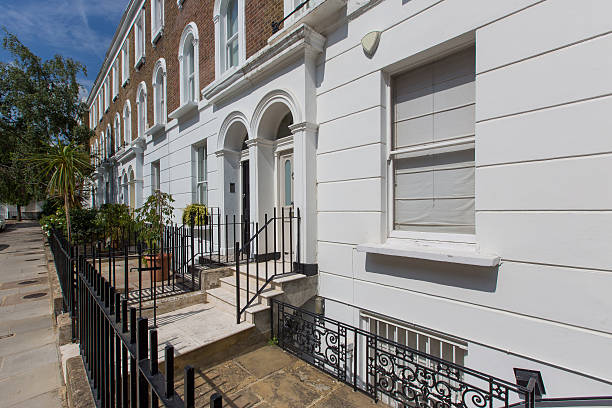
A converted Victorian property in Camden may have different maintenance requirements from a large apartment development in Canary Wharf with lifts, concierge services, underground parking and extensive communal facilities.
Disputes can therefore involve substantial sums and multiple contractors.
A practical review should consider the lease, service charge structure, maintenance history, contractor arrangements, insurance and the actual condition of the building rather than focusing on the management fee alone.
How Fraser Bond can help
Fraser Bond provides property management and consultancy support for leaseholders, freeholders, landlords, investors and residential developments across London and the wider UK.
Where a managing agent relationship has broken down, professional property support can help identify the operational problem, review maintenance requirements, coordinate contractors and assess whether the existing management arrangement remains suitable.
The objective is not simply to escalate a dispute. It is to find a practical solution that protects the building, controls expenditure and improves day-to-day management.
What to do if your managing agent dispute is unresolved
If your managing agent has failed to resolve your complaint, avoid allowing the situation to continue without a clear strategy.
Review the lease and management documents, organise your evidence, use the formal complaints process and identify whether the issue is better suited to an ombudsman, mediation, tribunal application or a change in management arrangements.
For serious or complex disputes, professional advice can help you choose the appropriate route before significant time and money are spent.