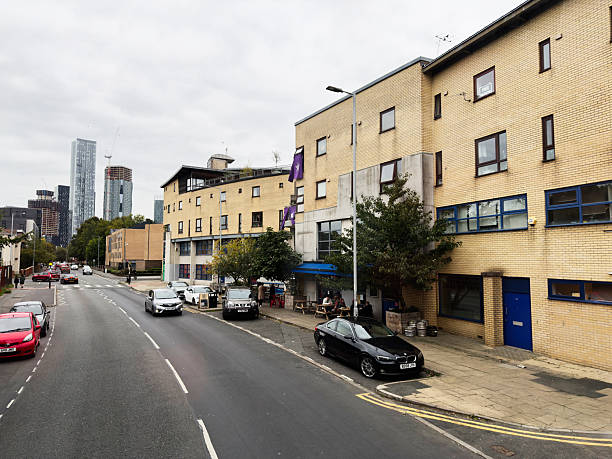
Property Required for Young Adult Care Provider - Finding Suitable Accommodation
Property Requirements, Location Considerations and Leasing Opportunities for Young Adult Care Providers
Finding property required for young adult care provider services involves more than sourcing a large residential house. The property must be appropriate for the young adults who will live there, suitable for the provider's care or support model and capable of meeting relevant property, planning and safety requirements.
Young adult care providers may work with people who have learning disabilities, autism, physical disabilities, mental health needs or other support requirements. Depending on the service, accommodation may be delivered through supported living, residential care or another specialist housing model.
In England, supported living generally involves people living in their own homes while receiving care or support designed to promote independence. CQC regulates the care provided, while the individual home is generally not itself a CQC location. Residential care homes operate differently, with accommodation and care provided together.
What Property Do Young Adult Care Providers Need?
Property requirements depend on the provider's service model and the needs of its residents.
Potential properties can include:
-
Detached houses
-
Semi-detached houses
-
Large terraced properties
-
Bungalows
-
Self-contained flats
-
Small blocks of flats
-
Purpose-adapted accommodation
-
Larger houses suitable for shared supported living
A provider may require several bedrooms, communal living areas, accessible facilities and enough space for residents to live comfortably while receiving appropriate support.
The property should be assessed against the provider's intended use rather than simply its number of bedrooms.
Property Requirements for Young Adult Care Services
A suitable property may need:
-
Good-sized individual bedrooms
-
Adequate bathrooms
-
A practical kitchen
-
Communal living and dining areas
-
Suitable storage
-
Reliable heating and hot water
-
Safe entrances and exits
-
Appropriate lighting and ventilation
-
Outdoor space where beneficial
-
Accessibility features
-
Space for staff facilities where required
The precise specification will depend on the residents and the level of care or support being delivered.
For example, accommodation for young adults with physical disabilities may require significant accessibility adaptations, while a supported living service focused on developing independence may place greater emphasis on practical kitchens, communal areas and access to local facilities.
Supported Living or Residential Care?
Before acquiring or leasing a property, a provider should establish exactly what type of service it intends to operate.
In supported living, residents generally live in their own accommodation and receive care or support separately. CQC states that the individual homes where people live under a supported living scheme are generally not CQC locations, although the premises from which the provider manages the regulated care may be a CQC location.
Residential care is different because residents receive accommodation together with care or treatment. A residential care home for adults in England requires CQC registration.
This distinction can affect property arrangements, planning considerations, regulatory requirements and the way the lease is structured.
Location Requirements for Young Adult Care Providers
Location can be particularly important when sourcing specialist accommodation.
A young adult care provider may look for properties close to:
-
Public transport
-
Colleges and training centres
-
Employment opportunities
-
Shops and supermarkets
-
Healthcare services
-
Leisure facilities
-
Parks and community facilities
-
Existing family or support networks
A well-connected residential location can help young adults develop greater independence by making it easier to travel to work, education, appointments and social activities.
Local demand should also be investigated before acquiring a property specifically for specialist accommodation.
Accessibility and Adaptation
Some young adults will require properties that can be adapted to meet specific physical or sensory needs.
Potential adaptations can include:
-
Level-access entrances
-
Accessible bathrooms
-
Wider doorways
-
Handrails
-
Adapted kitchens
-
Improved lighting
-
Accessible parking
-
Safer circulation routes
-
Specialist equipment
A property does not necessarily need to be fully adapted before a provider considers it. However, landlords and investors should determine whether the building can reasonably accommodate the required works.
Safety and Property Compliance
Before a property is offered to a care provider, its condition should be assessed carefully.
Important areas can include:
-
Fire safety
-
Electrical installations
-
Gas safety
-
Carbon monoxide protection
-
Emergency escape routes
-
Structural condition
-
Damp and mould
-
Security
-
Heating and hot water
-
General housing hazards
-
Planning requirements
-
Building regulations
-
HMO licensing where applicable
CQC expects regulated services to operate from premises that are suitable, clean and properly maintained. Providers may also need to demonstrate legal occupancy and other documentation as part of registration.
Planning Before Buying or Leasing
Planning should be considered before committing to a property.
The intended use, number of residents, level of care, staffing arrangements and physical changes to the building can all affect the planning position.
A provider should establish whether planning permission or other local authority approval is required for its proposed use.
Where building works or changes of use are proposed, building regulations may also need to be considered. CQC guidance highlights the importance of appropriate planning and building approvals where they apply.
Leasing Property to a Young Adult Care Provider
Landlords who own suitable residential property may consider leasing it to an established care or supported living provider.
A provider may be looking for a longer-term lease with clearly defined responsibilities for:
-
Rent
-
Repairs
-
Maintenance
-
Insurance
-
Utilities
-
Compliance
-
Property alterations
-
Garden maintenance
-
Periodic inspections
The lease should make clear which responsibilities remain with the landlord and which are undertaken by the provider.
Landlords should also carry out appropriate due diligence on the operator before entering into a long-term arrangement.
Refurbishing Property for Young Adult Care
Some properties may require refurbishment before they are suitable for a care provider.
Common works include:
-
Redecorating
-
Kitchen upgrades
-
Bathroom refurbishment
-
Flooring replacement
-
Heating improvements
-
Window and door repairs
-
Security upgrades
-
Damp treatment
-
Improved lighting
-
Accessibility modifications
-
Communal area improvements
The refurbishment specification should be based on the provider's actual requirements rather than adding unnecessary features.
Finding Property for Young Adult Care Providers in London
London has a wide range of residential property that may be considered for young adult care and supported living services.
Larger houses can provide multiple bedrooms and communal areas, while flats and smaller properties may be more appropriate for individualised accommodation.
Areas such as Croydon, Bromley, Enfield, Barnet, Ealing and Hounslow offer different property types and transport connections, but the appropriate location ultimately depends on the needs of residents and the provider's service model.
For specialist accommodation, proximity to local services can be just as important as the size and price of the property.
Property Investment for Young Adult Care Services
Specialist and supported housing is recognised within current government housing policy, including purpose-designed and designated accommodation-based supported housing.
However, investors should assess each property individually.
Important considerations include:
-
Purchase price
-
Local demand
-
Property size
-
Location
-
Adaptation costs
-
Refurbishment requirements
-
Planning position
-
Lease structure
-
Operator experience
-
Maintenance responsibilities
-
Expected operating requirements
A large house is not automatically a suitable care property. Its layout, location and ability to meet the needs of the intended residents are equally important.
Working With Fraser Bond
Fraser Bond can assist landlords, investors and care providers with specialist property sourcing, property assessment, refurbishment coordination, maintenance and wider property consultancy.
For a property required for young adult care provider services, the objective is to match the building with the provider's operational requirements and the needs of the people who will live there.
This can involve identifying suitable properties, assessing their potential, coordinating refurbishment and helping owners prepare properties for specialist operators.
Finding the Right Property for a Young Adult Care Provider
The most effective property search starts with a clear specification from the care provider.
Before viewing properties, establish the required number of bedrooms, resident profile, accessibility needs, staffing model, preferred locations, property size and intended service type.
Once these requirements are clear, landlords and investors can assess properties based on their suitability rather than simply their availability.
Fraser Bond can support property owners and young adult care providers looking to source, prepare, lease or manage specialist residential property across London and the wider UK.