Young Adult Supported Housing
Finding suitable property for young adults who need support while developing independent living skills
Young adult supported housing provides accommodation alongside support, supervision or care to help young people develop greater independence and manage everyday life. For property owners, investors and specialist housing providers, finding suitable accommodation requires consideration of the building, location, resident profile and the type of support being delivered.
Supported housing can serve young people with different circumstances and needs, including care leavers, young people at risk of homelessness, young adults with mental health conditions, learning disabilities and other support needs. Government guidance recognises young people with support needs as one of the groups that can benefit from supported housing.
For providers, the property needs to feel like a home while providing the practical environment needed to deliver appropriate support.
What is young adult supported housing?
Young adult supported housing is accommodation where residents receive support, supervision or care alongside their housing arrangements.
The purpose can vary considerably. Some schemes help young adults develop practical life skills before moving into fully independent accommodation, while others provide longer-term housing for people who require ongoing support.
Potential services can include support with:
-
Managing a tenancy
-
Budgeting and household finances
-
Cooking and meal planning
-
Cleaning and maintaining a home
-
Education and employment
-
Accessing healthcare
-
Building social skills
-
Managing appointments
-
Developing daily routines
-
Moving towards greater independence
The level of support should be appropriate to the individual resident rather than assuming that every young adult requires the same level of supervision.
Property requirements for young adult supported housing
A suitable property should provide residents with a safe and comfortable living environment while giving them opportunities to develop independence.
Depending on the service model, providers may look for:
-
Individual bedrooms
-
Shared or private bathrooms
-
Communal living areas
-
Kitchen and dining facilities
-
Private or shared outdoor space
-
Secure storage
-
Suitable staff facilities
-
Good heating and ventilation
-
Safe entrances and internal circulation
-
Convenient access to public transport
-
Space for residents to practise everyday household activities
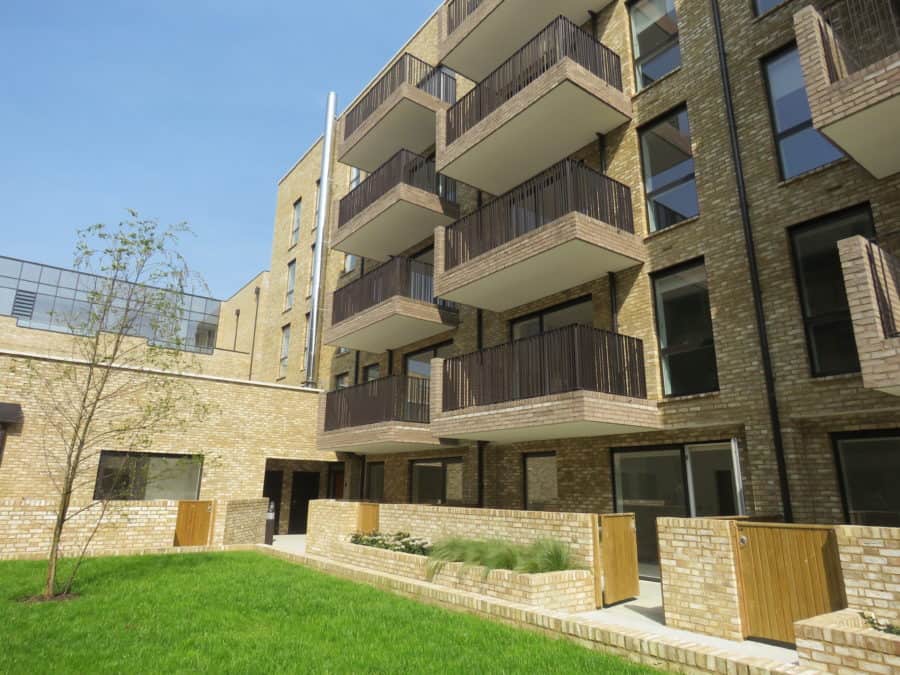
The property does not necessarily need to look like a care facility. A conventional residential property can sometimes provide a more appropriate environment for a supported housing scheme if its layout and condition meet the needs of the intended residents.
Houses for young adult supported housing
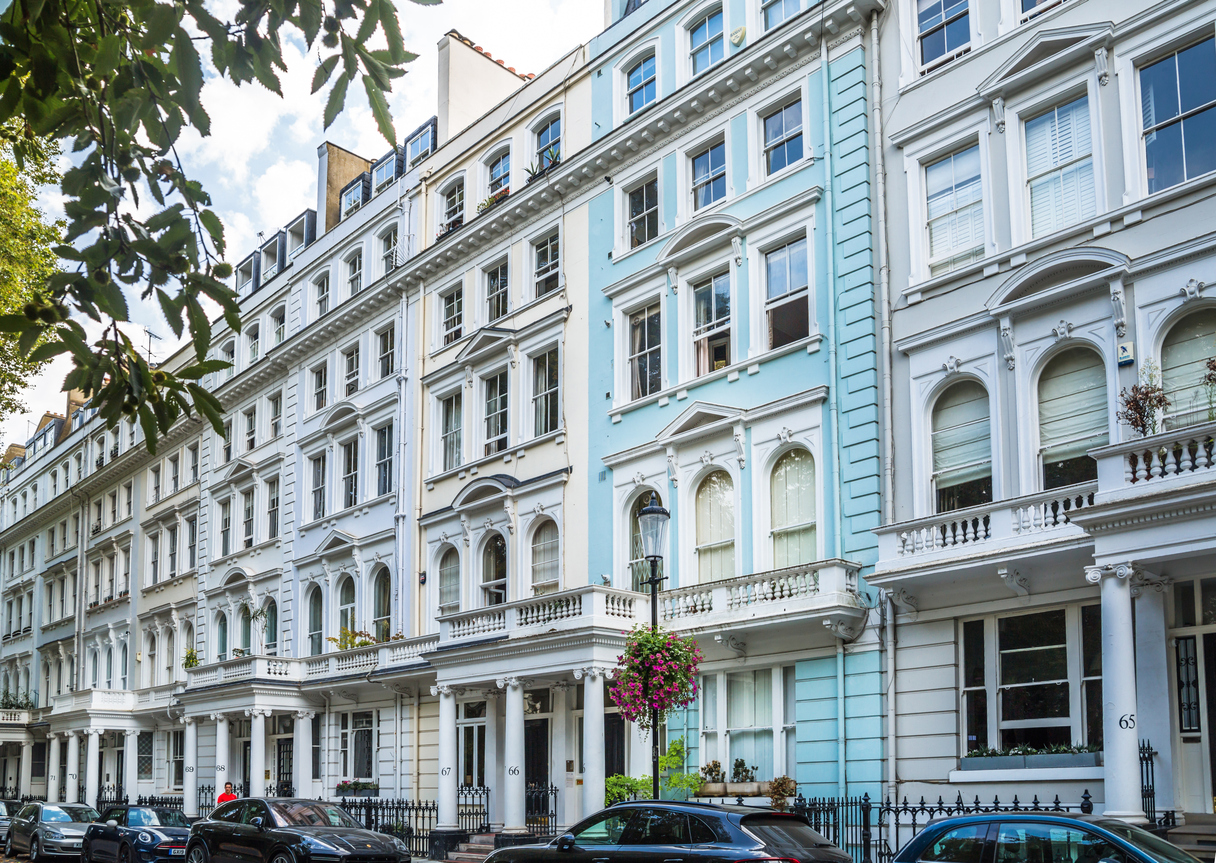
Large houses can be suitable for smaller supported housing schemes where several young adults share accommodation.
A property with multiple bedrooms, communal areas, a kitchen and garden can provide opportunities for residents to live together while developing practical household skills.
However, providers should assess the property carefully. A large bedroom count does not automatically make a house suitable.
Important questions include:
-
Is there enough communal space?
-
Are there sufficient bathrooms?
-
Can residents have adequate privacy?
-
Is the kitchen practical for the number of residents?
-
Can staff operate effectively from the property?
-
Is the building safe and in good condition?
-
Does the location provide access to essential services?
These considerations can be particularly important when converting a conventional house into specialist accommodation.
Location for young adult supported housing
Location can have a major impact on the success of a supported housing service.
Young adults may benefit from living within reasonable reach of:
-
Public transport
-
Shops and supermarkets
-
Colleges and universities
-
Employment opportunities
-
GP surgeries
-
Pharmacies
-
Leisure facilities
-
Parks and green spaces
-
Community centres
-
Libraries and other public facilities
Good access to everyday amenities can help residents gradually develop independence rather than relying entirely on staff for basic activities.
For London properties, transport connections can be particularly important because residents may need to travel independently to education, work, appointments and social activities.
Young adult supported housing for care leavers
Some supported housing schemes are designed specifically for young people leaving care.
The accommodation can provide a structured transition between care and independent adulthood, with residents receiving practical support while managing their own living arrangements.
The property should therefore allow residents to develop skills rather than unnecessarily restricting their independence.
Individual bedrooms, shared kitchens, communal areas and access to staff support can create a balance between privacy and assistance.
Where the accommodation is for looked-after children or care leavers aged 16 or 17, different regulatory arrangements apply in England. Ofsted regulates supported accommodation for this specific group, so providers should establish the age range and service model before selecting a property.
Young adult supported housing for mental health needs
Supported housing can also be used by young adults who have mental health support needs.
Depending on the service, residents may live relatively independently while receiving assistance with routines, appointments, budgeting, social participation and other aspects of daily life.
The property should provide an appropriate residential environment rather than automatically adopting an institutional layout.
Where personal care or another regulated activity is provided, the operator should establish whether CQC registration is required and how the service should be structured.
Supported housing and supported living are not always the same
The terms supported housing and supported living are sometimes used interchangeably, but the exact arrangement matters.
CQC describes supported living as services where a person lives in their own home and receives care or support intended to promote independence. The care is regulated by CQC, while the accommodation is generally not.
CQC also states that individual homes where people receive supported living care are not usually treated as the CQC location. The provider's office or other premises from which care is coordinated may instead be the relevant location.
This distinction is important for property owners and operators because the regulatory requirements depend on the actual service being delivered.
Renting property to a young adult supported housing provider
Landlords with suitable residential properties may consider leasing them to specialist supported housing providers.
Before agreeing to a lease, the landlord should understand the proposed use and establish clear responsibilities for:
-
Repairs
-
Maintenance
-
Insurance
-
Property alterations
-
Refurbishment
-
Utilities
-
Garden maintenance
-
Compliance responsibilities
-
Reinstatement at the end of the tenancy
The lease should clearly describe the permitted use and ensure that both parties understand their obligations.
For landlords, a specialist supported housing tenant can provide an alternative to conventional residential letting where the property is appropriate for the intended service.
Refurbishing property for young adult supported housing
Some properties may need refurbishment before they can be used effectively.
Potential works can include:
-
Bathroom improvements
-
Kitchen refurbishment
-
Electrical upgrades
-
Heating improvements
-
Fire safety works
-
Accessibility improvements
-
Internal reconfiguration
-
Flooring and decoration
-
Garden improvements
-
Additional storage
The required work will depend on the property and the needs of the residents.
Providers should establish the likely refurbishment cost before committing to a long-term lease or acquisition. Where planning permission or building regulations approval may apply, those requirements should also be investigated before works begin.
Investment property for young adult supported housing
Investors may consider properties that can be leased to supported housing providers.
However, the investment should be assessed on the underlying property as well as the proposed specialist use.
Factors to consider include:
-
Location
-
Property value
-
Condition
-
Local demand
-
Refurbishment costs
-
Lease structure
-
Operator requirements
-
Maintenance obligations
-
Long-term demand
-
Potential resale value
A property should not be considered suitable simply because it has several bedrooms. Its location, layout and ability to support the intended service are equally important.
Finding young adult supported housing property
Providers searching for accommodation should prepare a clear property brief before approaching landlords and property agents.
The brief can include:
-
Preferred locations
-
Number of residents
-
Bedroom requirements
-
Bathroom requirements
-
Communal-space requirements
-
Accessibility needs
-
Garden or outdoor space
-
Parking
-
Staff facilities
-
Budget
-
Lease or purchase preference
-
Refurbishment requirements
-
Intended resident profile
A detailed brief makes it easier to identify properties that genuinely fit the proposed scheme.
Fraser Bond for young adult supported housing property
Fraser Bond can assist landlords, investors and supported housing providers looking for young adult supported housing property across London and the wider UK.
Services can include specialist property sourcing, acquisition and leasing support, refurbishment coordination, property management and wider property consultancy.
Whether you are a provider looking for a suitable house, a landlord seeking a specialist tenant or an investor assessing a supported housing opportunity, the property should be assessed against the requirements of the intended service.
The right accommodation can provide young adults with a stable home while giving them the environment and support needed to develop greater independence.