Physical Disability Accommodation: Finding Suitable UK Property
A practical guide for landlords, investors, developers and supported housing providers sourcing accessible accommodation for people with physical disabilities across the UK
Physical disability accommodation covers a wide range of housing designed or adapted to help people with physical impairments live safely, comfortably and as independently as possible.
The right property may be an adapted house, accessible flat, purpose-built supported living scheme, extra care development or specialist accommodation with access to care and support. The appropriate model depends on the needs of the residents and how the accommodation and support services are structured.
Government guidance recognises working-age disabled people with substantial or long-term support or care needs as a specific group within specialist and supported housing. It includes accessible or adapted homes and purpose-designed supported living as examples of specialist accommodation.
What Is Physical Disability Accommodation?
Physical disability accommodation is housing that has been designed, adapted or selected to meet the needs of people with physical impairments.
Residents may require support because of:
-
Mobility impairments
-
Neurological conditions
-
Acquired physical disabilities
-
Long-term physical health conditions
-
Multiple disabilities
-
Reduced balance or mobility
-
Difficulties with personal care
-
Wheelchair use
-
Other long-term accessibility requirements
The level of support can vary significantly. Some residents may live independently with occasional support, while others may receive regular or continuous care.
This means there is no single property specification that works for everyone. Accommodation should be assessed against the needs of its intended residents.
Different Types of Physical Disability Accommodation
The term can cover several different property models.
Accessible or Adapted Homes
These are ordinary homes that have been modified to improve accessibility.
Adaptations may include:
-
Ramps
-
Wider doorways
-
Accessible bathrooms
-
Wet rooms
-
Stairlifts
-
Accessible kitchens
-
Improved entrances
-
Specialist equipment
Supported Living
Supported living allows a person to live in their own home while receiving care or support designed around their needs.
CQC states that supported living involves people living in their own homes and receiving care or support to promote independence. The care is regulated by CQC, while the accommodation is generally not regulated as a care home.
Purpose-Built Specialist Housing
Purpose-designed accommodation can incorporate accessibility features from the beginning rather than relying on later adaptations.
Government guidance describes purpose-designed supported living as long-term supported housing with care and support for working-age disabled people, designed or adapted around their needs.
Extra Care Housing
Extra care schemes typically provide self-contained accommodation with access to varying levels of care and support.
CQC notes that the care is regulated, while the accommodation itself is not generally regulated as a care home.
What Makes a Property Accessible?
A property should be assessed based on how residents will actually use it.
Important features can include:
-
Step-free access
-
Suitable entrance doors
-
Wide internal doorways
-
Adequate circulation space
-
Accessible bathrooms
-
Ground-floor bedrooms
-
Accessible kitchens
-
Appropriate flooring
-
Accessible outdoor areas
-
Parking or drop-off facilities
-
Storage for mobility equipment
A property can be advertised as accessible while still being unsuitable for a particular resident. Wheelchair turning space, bathroom access, door widths and the route between rooms can all make a significant difference.
Accessible Entrances
The entrance is one of the first areas to assess.
Potential requirements include:
-
Level access
-
Ramps
-
Low thresholds
-
Accessible pathways
-
Easy-to-operate doors
-
Adequate landing space
-
Covered drop-off areas
For wheelchair users, a step at the main entrance can make an otherwise suitable property difficult to use.
Where an existing entrance is not accessible, investors should determine whether an appropriate adaptation is practical before purchasing or leasing the property.
Bedrooms and Living Space
Bedrooms should provide sufficient space for residents to use mobility equipment and receive assistance where necessary.
Depending on individual needs, a bedroom may need room for:
-
Wheelchairs
-
Specialist beds
-
Hoists
-
Walking aids
-
Transfer equipment
-
Carer access
Living areas should also allow residents to move around comfortably.
Government supported housing guidance recommends accommodation that provides privacy and dignity, including suitable private space for personal activities and accessible space for disabled residents.
Accessible Bathrooms
Bathrooms often require particular attention when sourcing physical disability accommodation.
Potential features include:
-
Level-access showers
-
Wet rooms
-
Accessible toilets
-
Grab rails
-
Shower seats
-
Hoist-compatible layouts
-
Non-slip flooring
-
Adequate turning space
-
Space for carers where required
An existing bathroom may need to be enlarged or completely reconfigured.
Before committing to a property, landlords and investors should establish the likely cost of any accessibility work rather than assuming that minor cosmetic refurbishment will be sufficient.
Accessible Kitchens
The kitchen should support independence wherever possible.
Depending on the resident's needs, an accessible kitchen may require:
-
Appropriate worktop heights
-
Accessible storage
-
Easy-to-use appliances
-
Clear circulation space
-
Accessible sinks
-
Suitable flooring
-
Space for mobility aids
The design should reflect the individual's abilities rather than applying a standard specification to every resident.
Location and Community Access
The surrounding area is just as important as the building.
A suitable physical disability accommodation property may need convenient access to:
-
GP surgeries
-
Hospitals
-
Pharmacies
-
Shops
-
Public transport
-
Parks
-
Leisure facilities
-
Community centres
-
Employment
-
Education
-
Family and social networks
Good specialist housing should support community participation rather than isolate residents.
Government guidance identifies specialist and supported housing as accommodation that can help disabled people live as independently as possible, while current housing policy specifically includes accessible or adapted homes and supported living for working-age disabled people.
Physical Disability Accommodation for Supported Living
For a supported living provider, the property search should begin with a clear resident specification.
This might include:
-
Number of residents
-
Physical disabilities involved
-
Mobility requirements
-
Wheelchair requirements
-
Bathroom requirements
-
Level of personal care
-
Staffing arrangements
-
Overnight support
-
Equipment requirements
-
Preferred location
-
Parking requirements
This approach helps prevent providers from taking on properties that appear suitable but require excessive alterations.
CQC's current service information includes supported living services for people with physical disabilities, with residents living in individual flats or shared houses while receiving personal care and support.
Buying Physical Disability Accommodation
Investors looking to purchase specialist accommodation should assess the property from both a residential and operational perspective.
Important questions include:
-
Is the property already accessible?
-
Can it be adapted?
-
Are the bathrooms large enough?
-
Can doorways be widened?
-
Is there sufficient ground-floor space?
-
Is parking available?
-
Can specialist equipment be installed?
-
Is the surrounding area accessible?
-
What planning issues could arise?
-
What will refurbishment cost?
A property requiring extensive adaptation is not automatically a poor investment, but the additional costs should be included in the financial assessment.
Refurbishing Existing Property
Existing residential property can sometimes be converted into suitable physical disability accommodation.
Potential works include:
-
Installing ramps
-
Widening doorways
-
Creating wet rooms
-
Reconfiguring bathrooms
-
Improving bedroom layouts
-
Adapting kitchens
-
Installing stairlifts
-
Improving external access
-
Upgrading electrical systems
-
Improving fire safety
-
Creating accessible communal areas
-
Installing specialist equipment
Fraser Bond can support landlords, investors and specialist housing providers with property assessment, refurbishment planning, building works and contractor coordination.
Planning and Regulatory Considerations
The intended use of a property should be established before major alterations or a change of use.
Planning considerations can depend on:
-
The number of residents
-
The nature of the accommodation
-
Staffing arrangements
-
The proposed care or support model
-
Physical alterations
-
Existing lawful use
The regulatory position also depends on how accommodation and care are arranged.
CQC distinguishes supported living from care homes. In supported living, people generally live in their own homes and receive care or support separately from the accommodation. CQC's location guidance specifically notes that individual homes in supported living schemes are generally not locations where the care service itself is registered.
Where accommodation and personal or nursing care are contractually linked together, the property can instead fall within the care home framework.
This distinction should be established before an investor markets a property as supported living, specialist housing or a care home.
Leasing to a Specialist Housing Provider
Landlords may choose to lease physical disability accommodation to a supported living or specialist housing provider.
Before agreeing terms, landlords should consider:
-
Provider experience
-
Intended resident group
-
Proposed use
-
Relevant registrations
-
Lease length
-
Rent structure
-
Repair obligations
-
Adaptation responsibilities
-
Insurance
-
Planning position
-
Maintenance arrangements
The lease should clearly establish who is responsible for accessibility adaptations and ongoing repairs.
London Physical Disability Accommodation
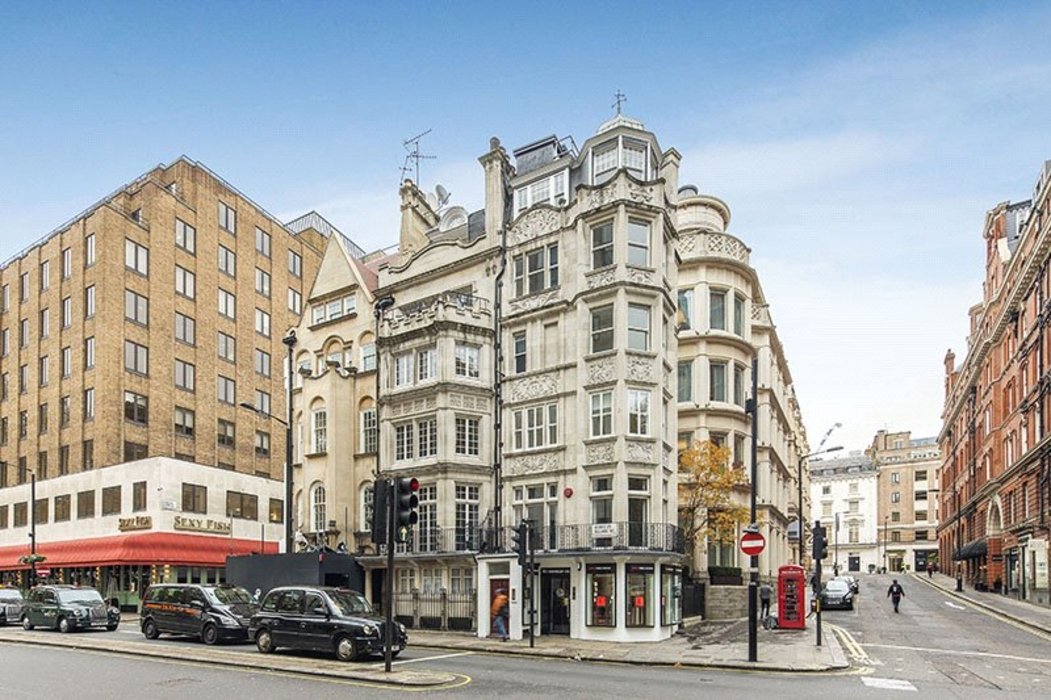
London has a diverse supply of flats, houses and larger residential properties that may be suitable for adaptation.
However, older London buildings can present accessibility challenges such as:
-
Narrow hallways
-
Steep staircases
-
Small bathrooms
-
Split-level layouts
-
Restricted entrances
-
Limited parking
-
Difficult external access
Purpose-built flats can sometimes provide better step-free access, while larger houses may offer more room for adaptations and staff facilities.
Outer London properties can also provide opportunities where larger floor plans and parking are important.
The right property ultimately depends on the needs of the intended residents and the proposed accommodation model.
Physical Disability Accommodation as an Investment
Investors should assess more than the property's potential rent.
The financial model should consider:
-
Purchase price
-
Acquisition costs
-
Professional fees
-
Planning
-
Accessibility adaptations
-
Refurbishment
-
Financing
-
Insurance
-
Maintenance
-
Property management
-
Lease structure
-
Future capital expenditure
Specialist adaptations can improve suitability for disabled residents but may also make the property less flexible for conventional residential use.
A sensible investment assessment should therefore consider both the specialist opportunity and potential alternative uses.
How Fraser Bond Can Help
Fraser Bond supports landlords, investors, developers and specialist accommodation providers with UK property requirements.
For physical disability accommodation projects, services can include:
-
Property sourcing
-
Acquisition support
-
Property assessment
-
Planning coordination
-
Refurbishment planning
-
Accessibility improvements
-
Building works
-
Contractor coordination
-
Compliance support
-
Maintenance management
-
Facilities support
-
Property management
-
Landlord and provider support
The aim is to identify and prepare property that works for residents as well as the organisation providing the accommodation or support.
Start With Accessibility, Not Just Property Size
The right physical disability accommodation is not necessarily the biggest or most expensive property. It is the property that can realistically provide safe, accessible and dignified living while meeting the requirements of its intended residents.
For landlords, investors and specialist housing providers, a detailed assessment of accessibility, location, refurbishment requirements, planning and the operating model should come before committing to a property.
Fraser Bond can assist with sourcing, assessing, adapting and managing physical disability accommodation across London and the wider UK property market.