Temporary Property Occupation London - Managing Vacant Buildings Safely and Legally
Temporary property occupation in London is a practical solution used by landlords, investors, and developers to protect vacant buildings while they are awaiting sale, refurbishment, redevelopment, or new tenancy. Instead of leaving a property empty and exposed, controlled occupation helps maintain activity, reduce risk, and preserve building condition.
In a city like London, where vacancy can quickly lead to security issues, maintenance problems, and insurance complications, temporary occupation is often part of a wider vacant property risk management strategy.
Fraser Bond works with property owners across London on vacant property management, maintenance coordination, refurbishment planning, contractor oversight, and property support services that help manage occupied and unoccupied buildings effectively.
Why Temporary Occupation Is Used in London
Leaving a property empty in London can quickly lead to avoidable risks. Temporary occupation helps reduce these risks by ensuring the building is not completely vacant.
Common reasons property owners use temporary occupation include:
- Preventing squatting and unauthorised access
- Reducing vandalism and property damage
- Maintaining insurance compliance conditions
- Keeping utilities and systems active
- Preserving property appearance and value
- Managing gaps between tenants or projects
- Supporting long-term refurbishment timelines
In boroughs such as Hackney, Southwark, and Camden, where property turnover is high, temporary occupation is often used to bridge gaps between redevelopment or tenancy cycles.
Types of Temporary Property Occupation
Temporary occupation in London can take different forms depending on the property type and owner objectives:
- Managed occupancy arrangements
- Property guardian schemes
- Short-term letting agreements
- Contractor or caretaker occupation during works
- Transitional use during refurbishment or planning phases
Each option provides different levels of control, responsibility, and flexibility depending on how long the property will remain vacant.
How Temporary Occupation Helps Protect Property
When a building is occupied, even temporarily, it naturally becomes less attractive to squatters and less likely to fall into disrepair.
Key benefits include:
- Reduced risk of unauthorised occupation
- Faster detection of maintenance issues
- Lower likelihood of water or structural damage going unnoticed
- Improved insurance compliance
- Better external appearance and upkeep
- Reduced security and monitoring costs
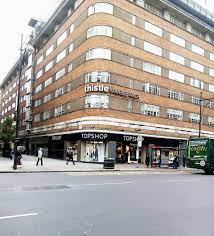
For example, a vacant commercial building in Central London awaiting refurbishment may use temporary occupation to maintain activity while planning permissions or contractor schedules are finalised.
Important Considerations for Property Owners
While temporary occupation can be beneficial, it must be carefully managed to avoid complications.
Property owners should consider:
- Insurance terms and vacancy clauses
- Access control and responsibility boundaries
- Maintenance and repair obligations
- Health and safety compliance
- Duration of occupation and exit strategy
- Coordination with refurbishment or redevelopment plans
Without proper management, temporary occupation can create operational issues rather than solving them.
Fraser Bond supports property owners with coordination of inspections, maintenance, refurbishment planning, contractor management, and broader property oversight to ensure temporary occupation arrangements remain safe and effective.
Speak With Fraser Bond
If you are considering temporary property occupation in London or need support managing a vacant property, Fraser Bond can help coordinate practical property solutions designed to reduce risk and maintain building value.