


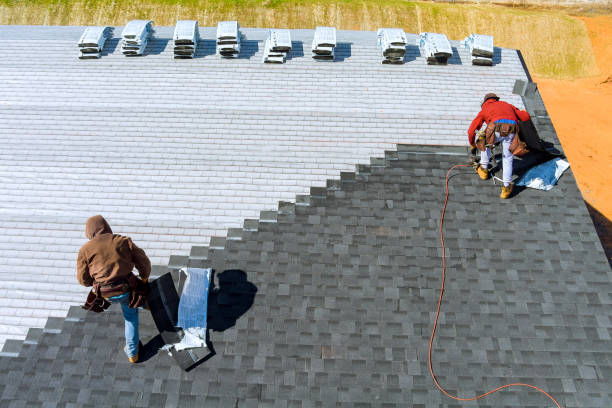
Residential roofing is a fundamental part of protecting houses, flats, rental properties and residential developments from water penetration, weather damage and structural deterioration. From repairing a leaking pitched roof to replacing an ageing flat roof, professional roofing work helps preserve both the condition and long-term value of residential property.
The UK's housing stock includes Victorian and Edwardian terraces, detached and semi-detached houses, period conversions, apartment blocks and modern developments. Each building type can present different roofing requirements, making appropriate inspection and specification essential.
For homeowners, landlords and investors, Fraser Bond supports property management, sales, lettings and wider real estate requirements through FraserBond.com.
What Is Residential Roofing?
Residential roofing covers the construction, repair, refurbishment and maintenance of roofs on homes and residential buildings.
The roof is more than its visible tiles, slate or waterproof membrane. Depending on its construction, the complete system can incorporate structural timbers, decking, underlay, battens, insulation, ventilation, flashing, gutters and drainage.
Problems with any of these components can affect the performance of the overall roof.
Residential Roof Repair
Roof repair is often appropriate where deterioration is limited to a particular area.
Common residential roofing problems include missing tiles, slipped slates, damaged flashing, leaking valleys, deteriorated ridge details and defects around chimneys.
Early repairs can help prevent secondary damage.
Once water penetrates a roof, it can affect insulation, timber, ceilings, plasterwork and internal decoration. Persistent leaks should therefore be investigated rather than repeatedly covering the resulting internal stains.
Leaking Residential Roofs
A roof leak can be difficult to diagnose because the point where water becomes visible is not necessarily where it entered.
Rainwater can travel along structural components before appearing on a ceiling or wall.
An inspection may therefore need to examine roof coverings, flashing, valleys, chimneys and drainage.
Professional diagnosis can reduce the risk of repeatedly repairing the wrong part of the roof.
Pitched Residential Roofing
Pitched roofing is common across traditional UK housing.
Slate, clay tiles and concrete tiles are widely used, although materials and construction methods vary according to the building's age and location.
Pitched-roof services can include replacement of individual coverings, ridge and valley repairs, flashing work, chimney repairs and complete re-roofing.
Older properties may require contractors experienced with traditional roofing materials and construction techniques.
Slate Roofing for Residential Property
Slate is particularly associated with period housing.
Individual slates can crack, slip or become detached over time.
Where most of the roof remains serviceable, localised replacement may be sufficient.
A roof experiencing widespread slate failure or repeated leaks may require more extensive investigation to determine whether refurbishment would provide better long-term value.
Heritage and listed properties can require additional care when traditional materials and architectural details need to be retained.
Tiled Residential Roofing
Clay and concrete tiles are common across modern and traditional residential property.
Individual damaged tiles can often be replaced relatively easily, subject to safe access.
Repeated failures across different parts of the roof may indicate a wider problem.
Owners should therefore consider the overall age and condition of the roofing system rather than evaluating every damaged tile in isolation.
Flat Residential Roofing
Flat roofs are commonly found on extensions, garages, dormers and sections of apartment developments.
Potential defects include damaged waterproof coverings, failed joints, defective flashing, blocked outlets and inadequate drainage.
Standing water can also indicate drainage or roof-fall problems.
Because different flat-roof systems have different repair requirements, owners should use contractors with appropriate experience in the particular roofing material involved.
Residential Roof Replacement
Complete roof replacement may become necessary when deterioration is widespread or continuing repairs no longer provide an economical solution.
Replacement can involve removing the existing covering, assessing the underlying structure and installing new roofing materials.
It can also provide an opportunity to address insulation, ventilation and drainage.
Building Regulations can apply to replacement roof coverings on pitched and flat roofs, so owners should establish the requirements for their project before substantial work begins.
Residential Roof Insulation
Roof refurbishment can provide an opportunity to improve a home's thermal performance.
The appropriate insulation arrangement depends on the roof construction.
Insulation, ventilation and moisture management should be considered together. Simply adding additional insulation without understanding the existing roof can potentially create condensation or ventilation problems.
For major refurbishment, professional specification can help ensure that improvements work as an integrated roofing system.
Chimney and Flashing Repairs
Chimneys create potentially vulnerable junctions within residential roofs.
Water penetration can result from defective flashing, deteriorated mortar or problems with the surrounding roof covering.
A professional inspection should establish the actual source.
Lead and other flashing materials are also used around walls, roof junctions and penetrations. Deterioration in these areas can cause persistent leaks even where the main roof covering remains serviceable.
Guttering and Residential Roof Drainage
Effective drainage is essential to roof performance.
Gutters collect rainwater from the roof and direct it towards downpipes and drainage systems.
Blocked or damaged gutters can overflow against external walls, potentially contributing to damp and deterioration.
For rental properties, government guidance specifically includes drains, gutters and external pipes within landlords' responsibilities for maintaining the structure and exterior.
Residential Roofing for Landlords
Landlords should treat roofing as an important element of rental-property management.
Current GOV.UK guidance states that landlords are responsible for repairs to the structure and exterior of privately rented properties.
A tenant reporting a leaking roof should therefore receive an appropriate response.
Delaying repairs can increase the eventual cost and potentially affect the condition and usability of the accommodation.
For routine inspections and repairs, landlords generally need to provide at least 24 hours' notice and arrange access at a reasonable time, unless emergency circumstances require immediate entry.
Residential Roofing and Property Management
Professional property management can help landlords coordinate roofing maintenance.
A property manager can receive maintenance reports, arrange inspections, communicate with tenants, obtain contractor quotations and monitor completion.
This can be particularly valuable for overseas landlords and portfolio investors.
Maintenance records can also help owners identify recurring roofing problems and forecast future capital expenditure.
Roofing for Residential Apartment Blocks
Residential roofing becomes more complicated in apartment buildings because the roof commonly forms part of the communal structure.
Responsibility depends on the lease and ownership arrangements.
The freeholder, Residents Management Company or Right to Manage company may be responsible for arranging maintenance through the managing agent.
Large projects can involve surveys, specifications, scaffolding, contractor procurement and professional project management.
Residential Roofing and Higher-Risk Buildings
Additional requirements can apply to certain taller residential buildings in England.
GOV.UK currently defines higher-risk buildings for the relevant building-safety regime as buildings at least seven storeys or 18 metres high that contain at least two residential units, subject to the detailed statutory rules.
For existing higher-risk buildings, certain building work requires Building Safety Regulator approval before it starts, although exemptions can apply.
Freeholders and managing parties dealing with significant roofing work on these buildings should therefore establish the applicable building-safety requirements early.
Residential Roofing for Property Investors
Roof condition can materially affect property investment returns.
Unexpected replacement shortly after acquisition can create substantial capital expenditure.
Buyers should therefore examine roofing observations within building surveys carefully.
Where significant deterioration is identified, specialist inspection may provide greater clarity regarding likely repair or replacement costs.
Leasehold investors should additionally investigate communal roofing condition and anticipated major works.
Residential Roofing for Developers
Developers should incorporate roofing into acquisition and feasibility assessments.
A property requiring substantial structural or roofing work can materially change the development budget.
Roof alterations can also interact with planning, Building Regulations, insulation requirements and architectural considerations.
Early technical investigation can therefore provide better cost information before the project progresses.
Emergency Residential Roofing
Storm damage, severe leaks and loose materials can require urgent roofing intervention.
Emergency work may initially concentrate on making the building safe and limiting additional water penetration.
Permanent repairs can then follow after a proper assessment.
Homeowners and landlords should avoid attempting dangerous roof access themselves. Roofing contractors should have appropriate competence and safety arrangements for working at height.
Preventative Residential Roof Maintenance
Roof maintenance should ideally be proactive rather than entirely reactive.
Periodic inspection can identify deteriorating tiles, slate, flashing, gutters and other components before complete failure.
Owners should pay particular attention to previous leak locations and areas that have required repeated repairs.
For landlords and portfolio investors, planned maintenance can also make expenditure more predictable.
Residential Roof Repair or Replacement?
Not every leaking roof needs complete replacement.
Localised damage on an otherwise serviceable roof may justify repair.
Conversely, a roof with widespread deterioration, recurring leaks and an extensive repair history may require a broader refurbishment strategy.
The decision should consider roof age, existing condition, previous expenditure and expected remaining lifespan rather than simply choosing whichever option has the lowest immediate quotation.
Choosing a Residential Roofing Contractor
Residential roofing contractors should be selected according to the type and complexity of the work.
Owners should consider relevant experience, insurance, proposed materials, guarantees and the detail contained within the quotation.
Quotations should make clear whether associated expenses such as scaffolding, waste disposal, flashing and necessary ancillary repairs are included.
For major roof replacement or complicated structural work, independent professional advice from a building surveyor or other appropriately qualified specialist can provide additional oversight.
Residential Roofing and Property Value
A well-maintained roof helps protect the wider property asset.
Roofing work should not automatically be viewed as an improvement guaranteed to increase market value by the amount spent. However, serious roof defects can affect surveys, buyer confidence and negotiations during a sale.
For landlords, poor roof condition can also affect tenants and increase maintenance expenditure
There is probably a Fraser Bond team for it.
Lettings & management
Finding tenants, running tenancies, and holding the compliance paperwork so you never have to look for it.
Investment & portfolio
Buying well, holding sensibly, and knowing when a property has stopped earning its place.
Commercial property
Offices, retail and mixed use — acquisition, lettings, lease advice and building management.
Professional services
Valuation, lease consultancy, building consultancy and expert advice when a decision needs evidence behind it.
You are one message away from an answer.
Send it to us and get a straight answer.
Describe the property and the problem. We will tell you what we would do, what it should cost, and if we are not the right people, who is.
- Replies the same working day
- The person who answers is the person who handles it
- No fee, and no obligation to instruct us
See everything we are instructed on.
Sales and lettings across Prime Central London and the wider UK, with the same team behind every listing.
- Residential and commercial in one search
- Filter by borough, budget and size
- Register once and we will send matches first
Other insights you may find useful.
 Property Recruitment & Real Estate Jobs
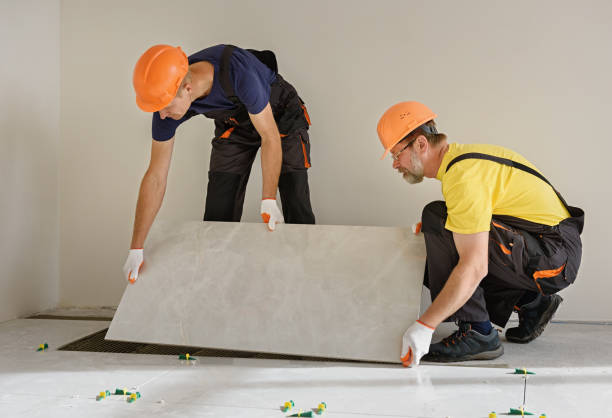
Tile Setter Jobs London - Tiling, Interior Finishing and Construction Careers
Read → Property & Real Estate Services
Coworking Space Covent Garden Piazza – Fraser Bond Flexible Office Guide
Read →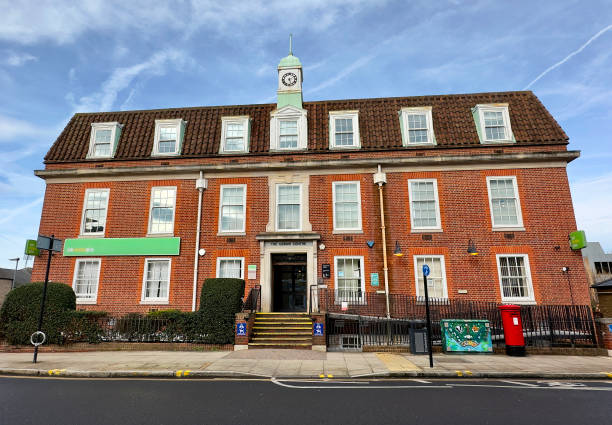 Property & Real Estate Services
Probate Property Sale UK - Cash Buyers for Quick Estate Transactions
Read → DSS Housing & Benefit-Friendly Rentals
Estate Agents That Accept Housing Benefit: Find Your Ideal Property
Read →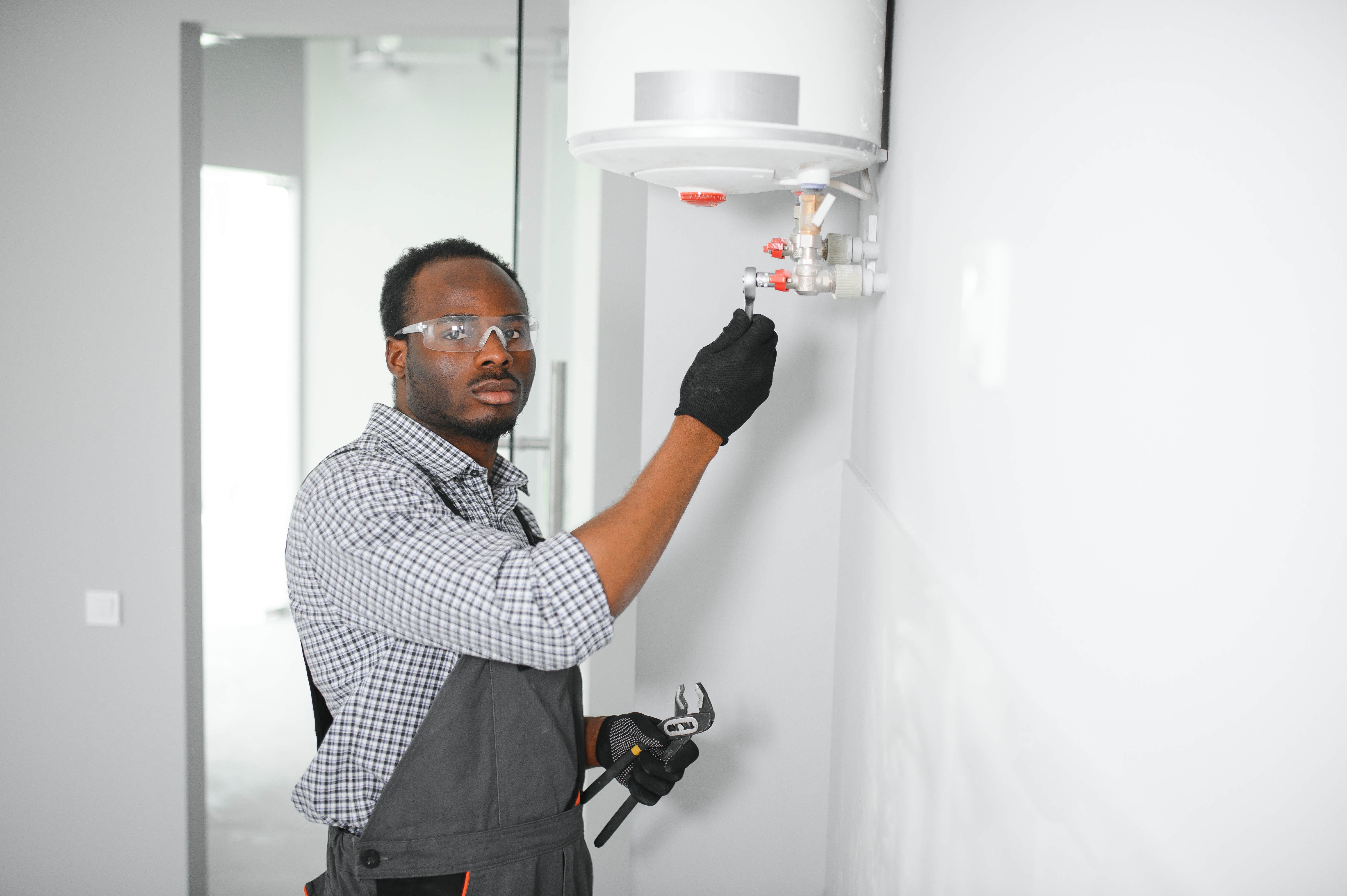 Property & Real Estate Services
Boiler Repair London – Fraser Bond’s Trusted Heating Engineers for Residential Properties
Read → Property & Real Estate Services