Right to Manage UK - How Leaseholders Can Take Control of Their Building
A practical guide to the Right to Manage process, qualifying requirements, RTM companies, costs, mixed-use buildings and how leaseholders can take over management without buying the freehold
The Right to Manage UK gives qualifying leaseholders an important way to take greater control over how their building is managed without having to purchase the freehold. Instead of relying entirely on a freeholder or managing agent, leaseholders can establish an RTM company and take responsibility for key management functions.
This can be particularly valuable where leaseholders are unhappy with service charges, maintenance standards, communication or the performance of an existing managing agent.
What is the Right to Manage?
The Right to Manage, commonly called RTM, allows qualifying leaseholders to take over certain management responsibilities from the freeholder without proving that the existing management is poor.
The freeholder remains the owner of the building, but management functions transfer to the RTM company.
Depending on the building and lease arrangements, this can include responsibility for:
-
Collecting and administering service charges
-
Maintaining communal areas
-
Arranging repairs and maintenance
-
Managing parts of the building such as roofs and common structures
-
Dealing with leaseholder management issues
-
Appointing and supervising a managing agent
The RTM is therefore about control of management rather than ownership of the freehold.
Who can qualify for Right to Manage?
There are several qualifying requirements.
Generally, the building must contain flats rather than simply being a collection of houses. At least two-thirds of the flats must normally be held on qualifying long leases, and at least half of the building must be residential.
At least half of the qualifying flats must also participate through the RTM company before management can be acquired.
The rules also contain specific provisions for smaller buildings and buildings where an owner or family member occupies a flat, so eligibility should be checked carefully before starting the process.
Importantly, recent reforms have expanded access to RTM for some mixed-use buildings. The non-residential floor-space limit has increased from 25% to 50%, allowing more buildings containing shops, offices or other commercial areas to potentially qualify.
What is an RTM company?
Leaseholders do not simply announce that they are taking over management. A dedicated RTM company must be established.
The company is normally limited by guarantee, with membership restricted to qualifying leaseholders. Once the statutory process has been completed successfully, the RTM company becomes responsible for exercising the relevant management functions.
Leaseholders can manage the building themselves or appoint a professional managing agent to handle day-to-day administration.
For a London block with communal gardens, lifts, cleaning contracts, maintenance obligations and regular service charge expenditure, using an experienced managing agent can be considerably more practical than expecting volunteer leaseholders to manage everything themselves.
What does the RTM company actually control?
The precise responsibilities depend on the leases and building structure, but RTM can give leaseholders substantial influence over how their building is operated.
For example, an RTM company may be able to take a more active role in deciding how communal repairs are organised, which contractors are appointed and how management services are administered.
This can make a significant difference where leaseholders believe their existing managing arrangements are expensive, slow or poorly coordinated.
However, RTM does not mean that every obligation connected with the building automatically disappears from the freeholder's side. The leases, statutory responsibilities and building arrangements still need to be examined carefully.
Does the Right to Manage mean buying the freehold?
No.
This is one of the most important distinctions.
With RTM, the freeholder continues to own the building. The leaseholders simply acquire the right to exercise certain management functions through their RTM company.
Buying the freehold is a separate process known as collective enfranchisement.
For some leaseholders, RTM may be the more realistic option because they want greater control over management without taking on the cost and complexity of purchasing the freehold.
Can the freeholder stop an RTM claim?
A freeholder does not have to agree simply because leaseholders want RTM.
The Right to Manage is a statutory right for qualifying leaseholders, meaning that qualifying leaseholders can exercise it without having to prove that the freeholder or managing agent has provided poor service.
However, the correct statutory procedure must be followed. Mistakes with notices, membership, qualifying requirements or deadlines can create disputes and potentially delay the process.
This is why professional advice is particularly useful where a block has complicated ownership or mixed commercial and residential use.
How does the Right to Manage process work?
The process generally involves several stages.
1. Check whether the building qualifies
Leaseholders should first examine the building, leases, number of flats, ownership structure and residential floor space.
2. Form an RTM company
The participating leaseholders establish the appropriate RTM company and organise its membership.
3. Gather the required information
Information about the building, leases, freeholder and management arrangements may be required before the formal claim is made.
4. Serve the required notices
The RTM legislation contains specific notice requirements. These need to be prepared and served correctly.
5. Deal with any counter-notice or dispute
A freeholder may challenge the entitlement to RTM. If there is a disagreement, the matter may ultimately need to be considered by the appropriate tribunal.
6. Acquire the right to manage
If the claim proceeds successfully, the RTM company takes over the relevant management functions on the statutory acquisition date.
The process is technical, so leaseholders should avoid treating it as a simple residents' committee changeover.
How much does Right to Manage cost?
The cost depends on the size and complexity of the building.
Potential expenses can include:
-
Company formation and administration
-
Solicitor's fees
-
Property management advice
-
Surveying or technical advice
-
Notice preparation and service
-
Tribunal costs if a dispute develops
-
Managing agent fees after RTM
-
Building maintenance and administration costs
Recent reforms have also changed the cost position for RTM claims. Since March 2025, qualifying leaseholders are generally no longer required to pay the freeholder's legal costs in an RTM claim in most circumstances.
That does not mean RTM is free. Leaseholders still need to budget for their own professional and administrative costs.
What happens after leaseholders take control?
Taking RTM is only the beginning.
The new management structure needs to operate properly. This may involve reviewing existing maintenance contracts, arranging building insurance, managing service charges, monitoring repairs, maintaining communal areas and dealing with contractors.
For example, an RTM company managing a 20-flat London building may inherit several existing contracts for cleaning, gardening, lift maintenance and repairs. The company needs to understand which contracts continue, which can be renegotiated and which require professional management.
Poorly organised RTM management can create problems just as easily as poor freeholder management.
Is Right to Manage suitable for every building?
Not necessarily.
RTM can be particularly attractive where leaseholders want greater control over management but do not want to purchase the freehold.
However, buildings with complex commercial areas, unusual lease structures, major structural problems or complicated communal facilities may require specialist advice before proceeding.
Leaseholders should also consider whether they actually have enough participation from other owners. RTM works best when there is a clear group willing to take responsibility for the building.
Right to Manage and London leasehold property
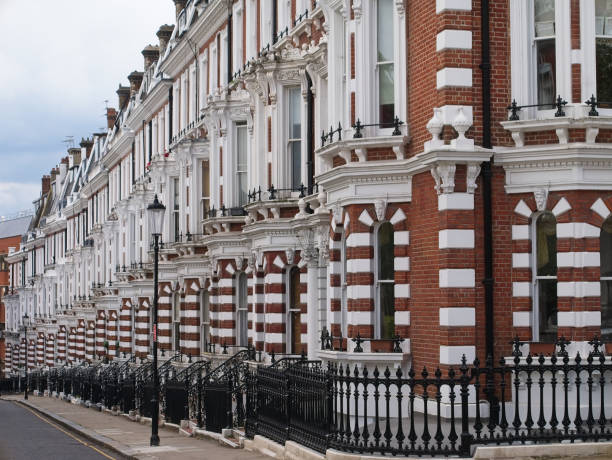
RTM can be especially relevant in London because many residential blocks operate through freeholders, managing agents, residents' management companies and complex service charge arrangements.
A block in areas such as Kensington, Westminster, Camden, Islington or Hackney may have significant expenditure on communal maintenance, lifts, roofing, cleaning, insurance and refurbishment.
Before pursuing RTM, leaseholders should review historic service charge accounts, planned major works, insurance arrangements, existing contracts and the condition of the building.
This can help determine whether taking control is likely to improve the building's management or simply transfer existing problems to the leaseholders.
How Fraser Bond can help leaseholders
Fraser Bond provides property consultancy and management support for leaseholders, landlords, investors and property owners across London and the wider UK.
For leaseholders considering RTM, professional property guidance can help with understanding the building's management position, reviewing operational issues, coordinating property professionals and assessing what will be required after management responsibility changes.
The objective should not simply be to obtain RTM. It should be to create a better-managed, financially controlled and properly maintained building once leaseholders take responsibility.
Speak to Fraser Bond about Right to Manage
If you are considering Right to Manage for a leasehold block, Fraser Bond can help you assess the practical property and management implications before you commit to the process.
A well-planned RTM strategy can give leaseholders greater control, improve accountability and provide more influence over how their building is maintained and managed.