


Toilet Constantly Running UK – Causes, Fixes & When to Call a Plumber
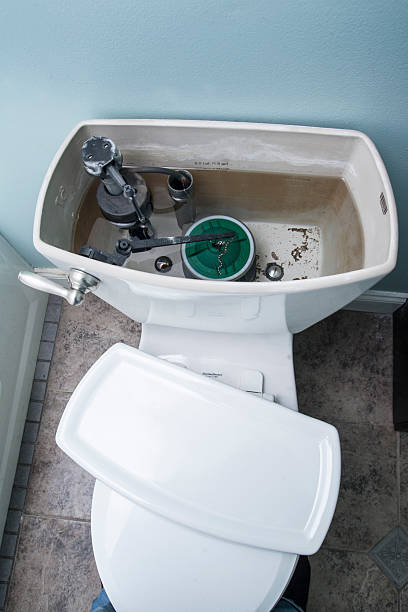
A toilet constantly running in the UK usually means water is continuing to flow into the toilet pan or cistern after flushing. Common causes include a faulty fill valve, flush valve, inlet valve, float mechanism or worn seal.
Although a running toilet may seem like a minor plumbing problem, continuous water flow can waste a significant amount of water and may indicate that a cistern component needs adjusting or replacing.
Through FraserBond.com, homeowners, landlords and property managers can explore toilet repairs and plumbing services.
Why Is My Toilet Constantly Running?
Common causes include:
- Fill valve not shutting off
- Incorrectly adjusted float
- Worn flush-valve seal
- Flush valve not closing correctly
- Debris inside the inlet valve
- Push-button mechanism sticking
- Water level set too high
- Internal overflow being activated
- Damaged cistern components
The first step is identifying where the water is going after the toilet finishes flushing.
Water Constantly Running Into Toilet Bowl
If you can see or hear a continuous trickle into the toilet bowl, the problem is often inside the cistern.
Normally:
Flush → Cistern Empties → Fill Valve Opens → Water Rises → Float Rises → Fill Valve Closes
If the fill valve does not close, or the flush valve does not seal properly, water can continue flowing.
Toilet Fill Valve Won't Stop Running
The fill valve, sometimes called an inlet valve, controls water entering the cistern.
Possible problems include:
- Sticking valve
- Incorrect float adjustment
- Worn internal components
- Debris affecting the valve
- Damaged float mechanism
If gently raising the float causes the incoming water to stop, the problem may relate to the float adjustment or fill-valve mechanism.
Toilet Keeps Running After Flush
If the toilet runs for a short period after flushing, that is normally the cistern refilling.
It becomes a fault when the water doesn't stop once the cistern is full or continues trickling into the pan.
A plumber may check both the fill and flush mechanisms to determine which side is causing the problem.
Faulty Toilet Flush Valve
The flush valve releases water from the cistern when you flush.
If its seal is worn, damaged or obstructed, water can slowly escape into the toilet bowl.
The fill valve then replaces the lost water, potentially creating a continuous cycle:
Water Leaks Into Pan → Cistern Level Falls → Fill Valve Opens → Cistern Refills → Water Leaks Again
This can make a flush-valve problem appear to be a faulty fill valve.
Toilet Float Problems
Many modern UK toilets use compact float-operated inlet valves rather than traditional ballcock arrangements.
If the float:
- Sticks
- Is incorrectly positioned
- Cannot move freely
- Has been incorrectly adjusted
the valve may continue admitting water.
Adjustments should follow the instructions for the particular valve rather than forcing the mechanism.
Water Running Into Internal Overflow
Many modern cisterns incorporate an internal overflow arrangement.
If the water level rises too high, excess water can flow into the toilet pan rather than through a separate external overflow pipe.
A constant stream into the bowl can therefore indicate that the cistern is overfilling, potentially because the inlet valve isn't shutting off correctly.
Push-Button Toilet Constantly Running
Push-button toilets commonly use a central flush-valve mechanism.
Problems can include:
- Flush valve sticking open
- Worn seal
- Button mechanism sticking
- Incorrect mechanism adjustment
- Debris preventing the valve from sealing
If the toilet starts running immediately after flushing and manipulating the button changes the flow, the flush mechanism may require attention.
Concealed Cistern Toilet Running
A concealed cistern is installed behind a wall, panel or bathroom furniture.
Repairs can be more complicated because access is restricted, although many systems provide service access through the flush plate.
Common concealed-cistern faults still include:
- Fill valve problems
- Flush valve problems
- Worn seals
- Incorrect water level
- Push-button mechanism faults
Avoid damaging tiles or panels before establishing the manufacturer's intended access method.
Can I Stop a Running Toilet Myself?
Some straightforward checks may help identify the problem.
You can:
- Remove an accessible cistern lid carefully.
- Observe what happens after flushing.
- Check whether the water level continues rising.
- See whether water is flowing through the overflow.
- Check whether the flush valve appears to close.
- Look for an obviously sticking float.
If you're unfamiliar with the mechanism, avoid dismantling multiple components. A relatively inexpensive valve repair can become a larger problem if fittings or the cistern are damaged.
How to Temporarily Stop a Running Toilet
If the toilet is continuously wasting water and you cannot repair it immediately, the toilet's isolation valve may allow you to shut off its water supply.
The valve is commonly located on the supply pipe near the cistern.
Do not force a seized or damaged isolation valve. If it begins leaking when operated, arrange a plumbing repair.
Toilet Keeps Filling Every Few Minutes
A toilet that becomes quiet but randomly refills every few minutes can indicate water is slowly escaping from the cistern.
A common possibility is a flush-valve seal that isn't completely watertight.
As the cistern level gradually drops, the inlet valve opens and tops it back up.
This symptom is sometimes called phantom flushing.
Old-Style Toilet Cistern Constantly Running
Older UK toilets may use a traditional float valve or ballcock system.
Potential problems include:
- Incorrect float position
- Worn valve
- Damaged float
- Valve not closing
- Overflow problems
Depending on the age and condition of the mechanism, replacing the inlet assembly may sometimes be more practical than repeatedly adjusting old components.
Running Toilet Repair for Landlords
A constantly running toilet is a common maintenance request in rental properties.
Landlords and property managers may need assistance with:
- Fill-valve replacement
- Flush-valve replacement
- Cistern repairs
- Push-button repairs
- Concealed cistern faults
- Toilet leaks
- Isolation-valve replacement
Prompt repairs can prevent unnecessary water consumption and reduce the chance of a minor plumbing fault developing into a leak.
How Much Does It Cost to Fix a Running Toilet in the UK?
The cost depends on the fault and whether replacement components are required.
Pricing can be affected by:
- Plumber call-out charge
- Labour time
- Replacement valve or seal
- Toilet design
- Concealed cistern access
- Emergency attendance
- Location
A straightforward fill-valve or flush-valve repair will generally involve much less work than replacing a complete toilet or accessing a difficult concealed cistern.
Ask whether the quotation includes labour, replacement parts and VAT where applicable.
When Should I Call a Plumber?
Consider professional assistance if:
- Water continuously flows into the toilet bowl
- The cistern won't stop filling
- The isolation valve is leaking
- The toilet is leaking onto the floor
- A concealed cistern cannot be accessed easily
- New valves have not solved the problem
- The toilet repeatedly refills by itself
- You're unsure which component is faulty
A plumber can identify whether the problem involves the fill valve, flush valve, cistern or supply connection before replacing parts unnecessarily.
Toilet Repair in London
For homeowners, landlords and property managers in London, a plumber can diagnose constantly running toilets and replace defective cistern components.
Common services include:
- Running toilet repairs
- Fill-valve replacement
- Flush-valve replacement
- Push-button repairs
- Concealed cistern repairs
- Toilet leak repairs
- Complete toilet replacement
Through FraserBond.com, property owners can explore plumbing and toilet repair services.
How Fraser Bond Can Help
Through FraserBond.com, homeowners, landlords and property managers can explore services relating to:
There is probably a Fraser Bond team for it.
Lettings & management
Finding tenants, running tenancies, and holding the compliance paperwork so you never have to look for it.
Investment & portfolio
Buying well, holding sensibly, and knowing when a property has stopped earning its place.
Commercial property
Offices, retail and mixed use — acquisition, lettings, lease advice and building management.
Professional services
Valuation, lease consultancy, building consultancy and expert advice when a decision needs evidence behind it.
You are one message away from an answer.
Send it to us and get a straight answer.
Describe the property and the problem. We will tell you what we would do, what it should cost, and if we are not the right people, who is.
- Replies the same working day
- The person who answers is the person who handles it
- No fee, and no obligation to instruct us
See everything we are instructed on.
Sales and lettings across Prime Central London and the wider UK, with the same team behind every listing.
- Residential and commercial in one search
- Filter by borough, budget and size
- Register once and we will send matches first
Other insights you may find useful.
 Property & Real Estate Services
Leasehold Commercial Property: Comprehensive Guide for Tenants and Landlords
Read → Property & Real Estate Services
UK Property Investors Mail Scanning Service - Manage Deals Efficiently
Read → Property Recruitment & Real Estate Jobs
Lettings Administrator Jobs London - Start Your Career with Fraser Bond
Read → Property Recruitment & Real Estate Jobs
Wellbeing Coordinator Jobs London - Build a Career in Mental Health, Community Support, an...
Read → Property & Real Estate
Find a Will Online UK Free - Fraser Bond
Read → Residential Property Services in London